


Francisco Alonso
Released Album
Opera
-
 February 26, 2015
 -
 December 2, 2013
 -
 December 2, 2013
 -
 December 2, 2013
 -
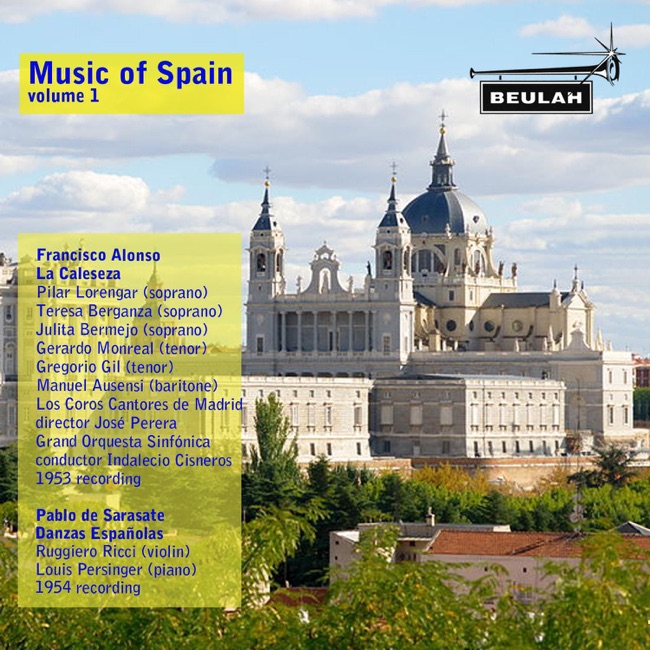 November 29, 2013
 -
 June 1, 2006
Vocal
-
 April 25, 2000
 -
Artist Info
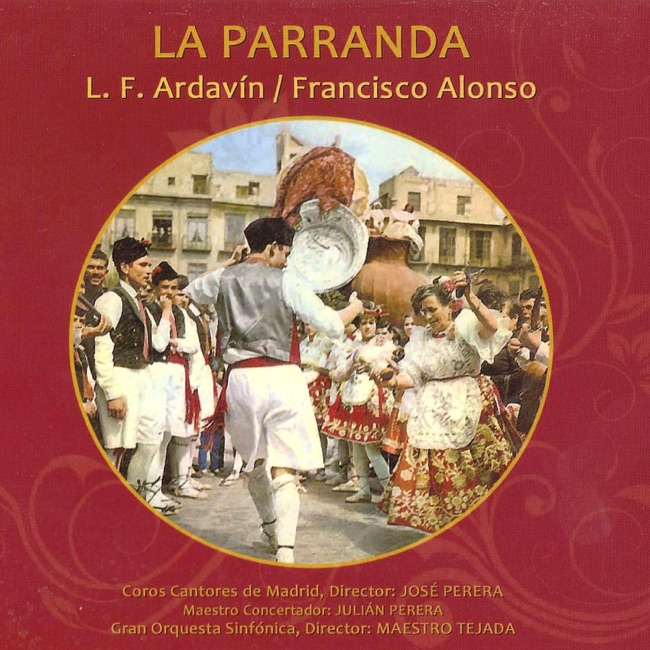
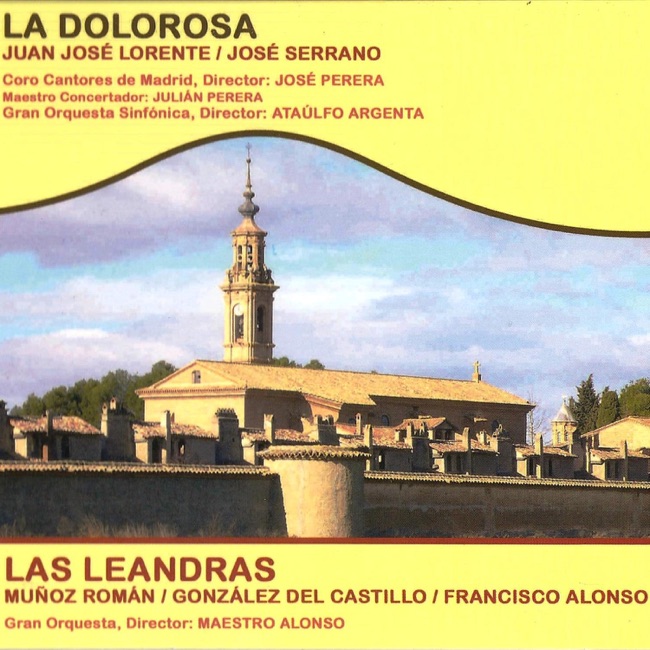
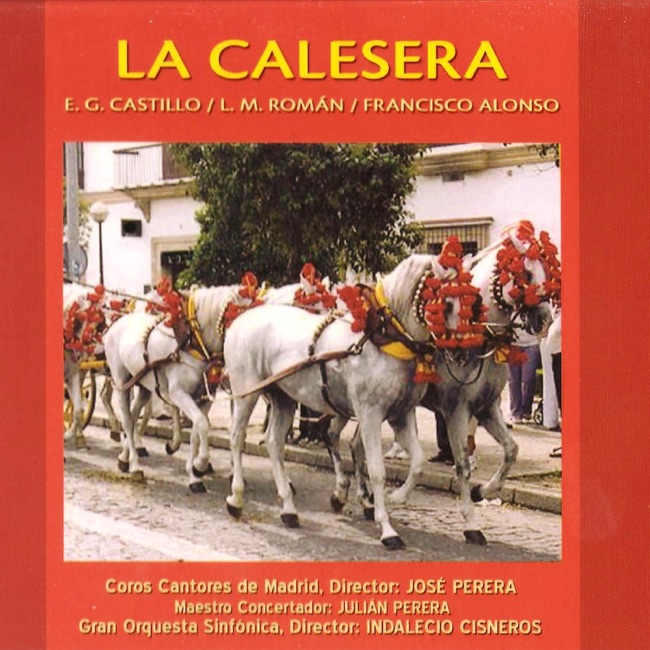
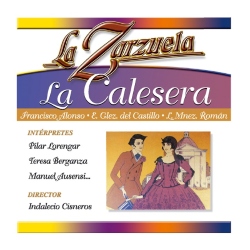
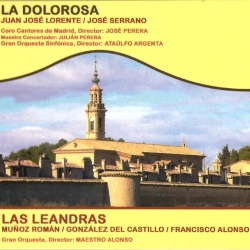
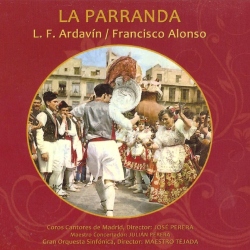
Role:ComposerCountry: SpainBirth:May 9, 1887 in Granada, SpainDeath:May 18, 1948 in Madrid, SpainPeriod:RomanticModernGenre:OperaVocalFrancisco Alonso was a Spanish composer who was born on May 9, 1887, in Granada, Spain. He was the son of a music teacher and grew up in a musical family. His father, Antonio Alonso, was a composer and conductor, and his mother, Carmen de la Torre, was a pianist. Francisco Alonso showed an early interest in music and began studying piano and composition at a young age. Alonso's musical education began at the Granada Conservatory, where he studied piano and composition. He later continued his studies in Madrid, where he studied with the renowned composer Manuel de Falla. Alonso's early works were heavily influenced by the Andalusian folk music of his native region, and he became known for his use of flamenco rhythms and melodies in his compositions. In 1916, Alonso composed his first zarzuela, a type of Spanish operetta that was popular at the time. The zarzuela, titled "La Calesera," was a huge success and established Alonso as one of the leading composers of the genre. Over the next few years, Alonso composed several more zarzuelas, including "La Parranda" and "La Chavala." In 1928, Alonso composed what would become his most famous work, the zarzuela "La Verbena de la Paloma." The zarzuela, which tells the story of a group of people celebrating the Feast of the Assumption in Madrid, was an instant hit and has since become a staple of the Spanish operatic repertoire. The zarzuela's most famous aria, "De Madrid a la Paloma," has become a beloved Spanish folk song and is often played at festivals and celebrations. Throughout the 1930s and 1940s, Alonso continued to compose zarzuelas and other works for the stage. He also composed several film scores, including the music for the 1947 film "La Lola se va a los puertos." In addition to his work as a composer, Alonso was also a respected conductor and music educator. He served as the director of the Madrid Conservatory from 1947 to 1950 and was a professor of composition at the conservatory for many years. Alonso's later works were more experimental and incorporated elements of modernism and atonality. His 1955 opera "La Celestina" was a departure from his earlier zarzuelas and was praised for its innovative use of harmony and orchestration. Alonso continued to compose until his death in Madrid on May 18, 1948. In addition to "La Verbena de la Paloma," Alonso's most famous works include the zarzuelas "La Calesera," "La Parranda," and "La Chavala." His other notable works include the operas "La Celestina" and "La Dolorosa," as well as several film scores and orchestral works. Alonso's music is characterized by its use of Spanish folk melodies and rhythms, as well as its colorful orchestration and lively, dance-like rhythms. His zarzuelas are known for their catchy tunes and humorous, often satirical, lyrics. Alonso's music has had a lasting impact on Spanish culture and continues to be performed and celebrated today.More....
Recent Artist Music


Related Artists
Copyright Ⓒ 2013 Davinci Finger. All rights reseved
Service Terms & Policy