


Minoru Miki
Released Album
Chamber
-
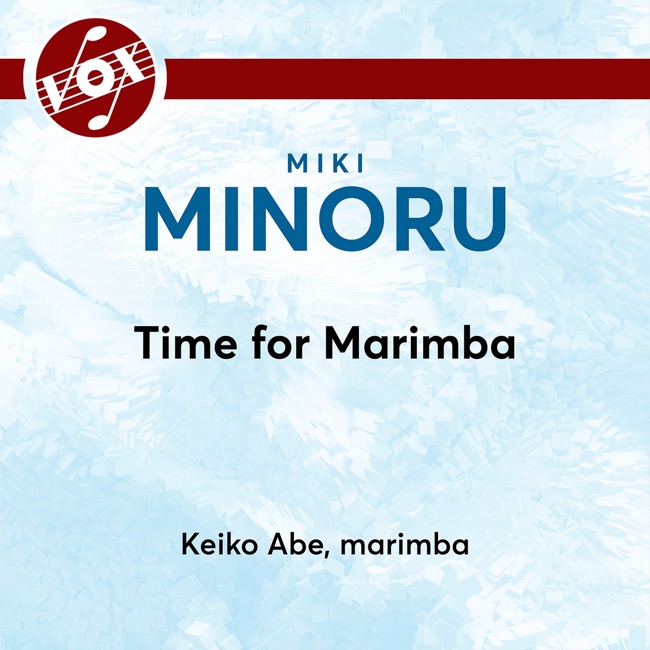 March 3, 2023
 -
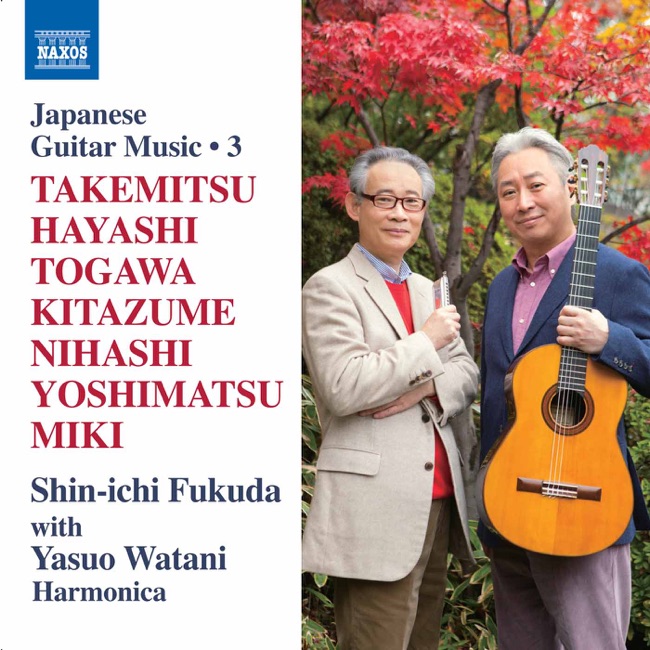 November 11, 2016
 -
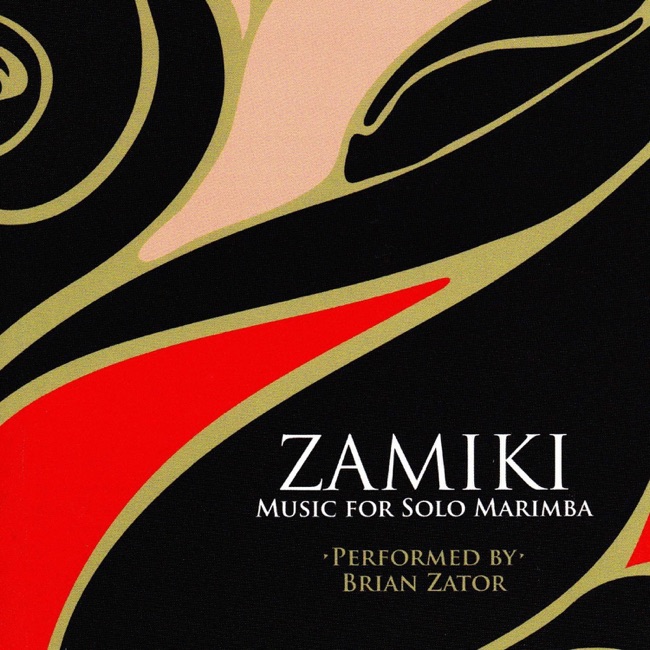 March 8, 2016
 -
 January 5, 2016
 -
 February 8, 2011
 -
 September 18, 2007
Miscellaneous
-
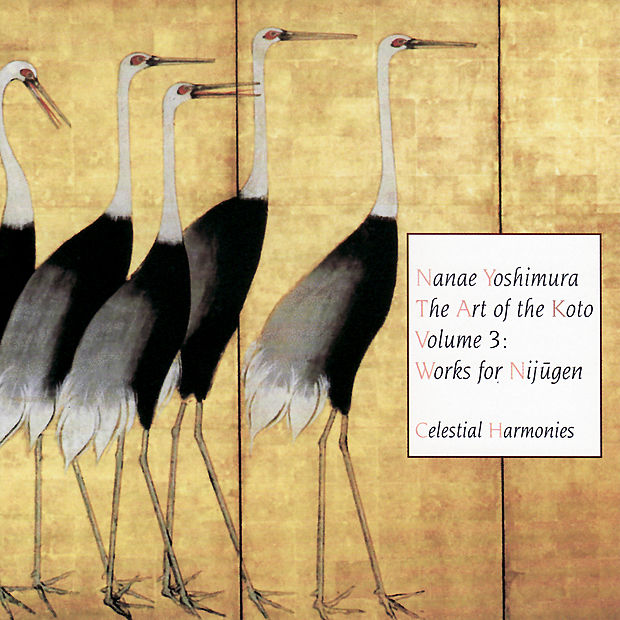 March 11, 2003
Symphony

Artist Info
Role:ComposerCountry: JapanBirth:March 16, 1930 in Tokushima, JapanDeath:December 8, 2011Period:ContemporaryGenre:ChamberOperaMinoru Miki was a Japanese composer who was born on October 27, 1930, in Tokyo, Japan. He was the son of a Shinto priest and grew up in a family that was deeply involved in traditional Japanese culture. Miki's father was a master of the shakuhachi, a traditional Japanese bamboo flute, and his mother was a skilled koto player. Miki's exposure to traditional Japanese music from an early age had a profound impact on his musical development and would later become a defining characteristic of his compositions. Miki began his formal musical training at the Tokyo National University of Fine Arts and Music, where he studied composition under Tomojiro Ikenouchi. After completing his studies, Miki worked as a composer and arranger for NHK, Japan's national broadcasting corporation. During this time, he also began to explore the possibilities of combining traditional Japanese music with Western classical music, a style that would become known as "East meets West." One of Miki's early works that exemplifies this style is his "Concerto for Marimba and Orchestra," which he composed in 1964. The piece features a solo marimba, an instrument that is not traditionally used in Western classical music, and incorporates elements of Japanese folk music and traditional Japanese instruments such as the shakuhachi and koto. The concerto was well-received and helped establish Miki as a leading figure in the world of contemporary classical music. In the years that followed, Miki continued to explore the fusion of traditional Japanese music and Western classical music in his compositions. One of his most famous works is "Time for Marimba," which he composed in 1974. The piece is a solo marimba work that incorporates elements of Japanese folk music, including the use of the pentatonic scale and rhythmic patterns inspired by traditional Japanese drumming. "Time for Marimba" has become a staple of the marimba repertoire and is widely regarded as one of Miki's most important works. Another notable work by Miki is his "Symphony for Two Worlds," which he composed in 1981. The symphony is a large-scale work that features a full orchestra and incorporates elements of both Western classical music and traditional Japanese music. The piece is divided into four movements, each of which explores a different aspect of the fusion of these two musical traditions. The symphony was premiered by the NHK Symphony Orchestra and has since been performed by orchestras around the world. In addition to his work as a composer, Miki was also a respected musicologist and scholar of traditional Japanese music. He wrote extensively on the subject and was instrumental in the preservation and promotion of traditional Japanese music both in Japan and abroad. Miki's deep knowledge of traditional Japanese music and his ability to incorporate it into his compositions helped to bridge the gap between East and West and establish him as one of the most important composers of his generation. Miki's contributions to the world of contemporary classical music were recognized with numerous awards and honors throughout his career. In 1993, he was awarded the Order of the Rising Sun, one of Japan's highest honors, for his contributions to Japanese culture. He was also awarded the Suntory Music Award in 1995 and the Japan Art Academy Prize in 2000. Minoru Miki passed away on December 8, 2011, at the age of 81.More....
Recent Artist Music
1
8:49
3

3:38

8

8:27





Copyright Ⓒ 2013 Davinci Finger. All rights reseved
Service Terms & Policy