Minoru Miki
Time
Released Album
Recent Album
Works Info
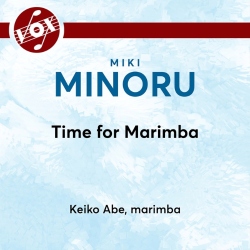
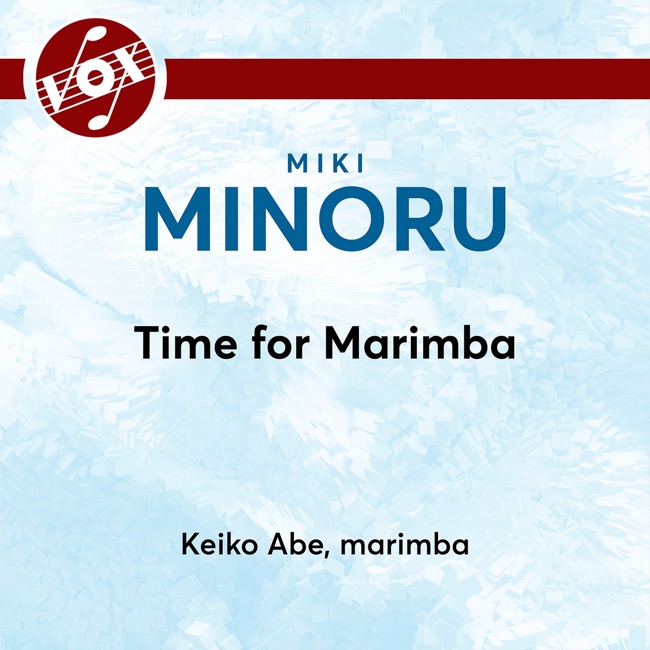
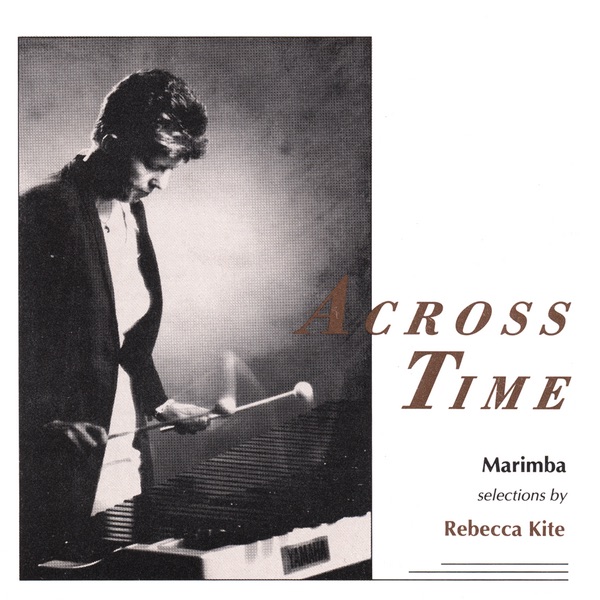
Composer:Minoru MikiGenre:ChamberStyle:EtudeCompose Date:1968Average_duration:10:15"Time" is a contemporary classical music composition by Japanese composer Minoru Miki. It was composed in 1981 and premiered on October 10, 1981, by the Tokyo Philharmonic Orchestra under the baton of Hiroyuki Iwaki. The composition consists of three movements, each representing a different aspect of time. The first movement, "Past," is slow and contemplative, with a mournful melody played by the strings. The second movement, "Present," is more lively and rhythmic, with a pulsing beat and intricate interplay between the different sections of the orchestra. The final movement, "Future," is the most experimental and avant-garde, with dissonant harmonies and unconventional instrumentation. One of the most striking characteristics of "Time" is its use of traditional Japanese instruments alongside the Western orchestra. Miki was a pioneer in the field of "East-meets-West" music, and he often incorporated elements of Japanese folk music and theater into his compositions. In "Time," he uses instruments such as the shakuhachi (a bamboo flute) and the koto (a stringed instrument) to add a distinctive flavor to the music. Another notable feature of "Time" is its use of complex rhythms and time signatures. Miki was known for his interest in irregular meters and polyrhythms, and he employs these techniques throughout the composition. This creates a sense of tension and unpredictability, as the listener is never quite sure where the music is going next. Overall, "Time" is a challenging and thought-provoking work that showcases Miki's unique blend of Eastern and Western musical traditions. Its exploration of the different facets of time makes it a fitting tribute to one of the most fundamental aspects of human existence.More....
Works Music
Released Music