


Arthur Somervell
Released Album
Vocal
-
 April 7, 2023
 -
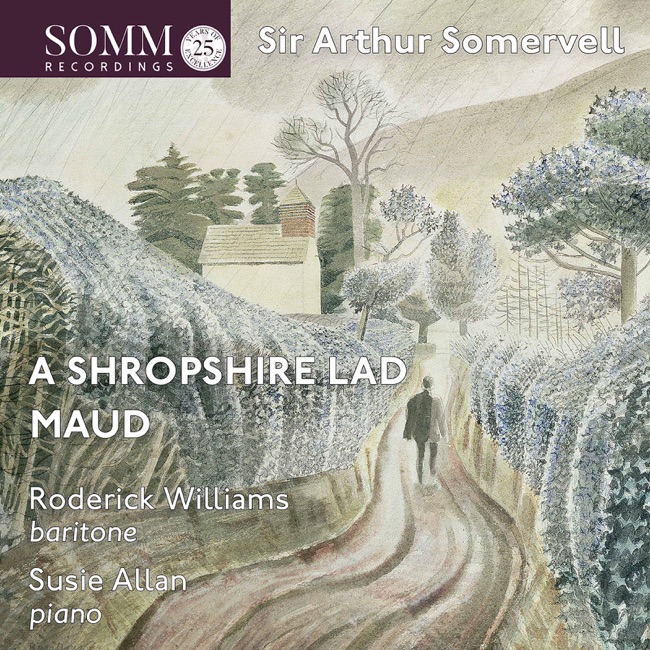 May 15, 2020
 -
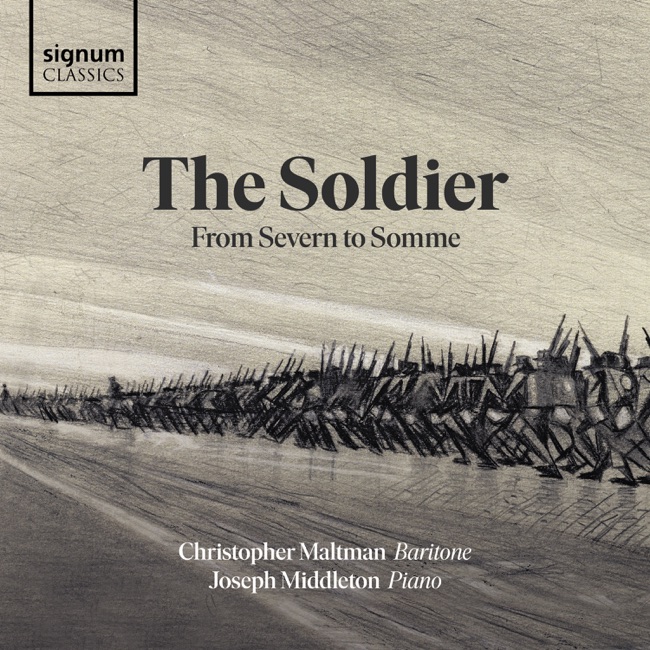 November 15, 2019
 -
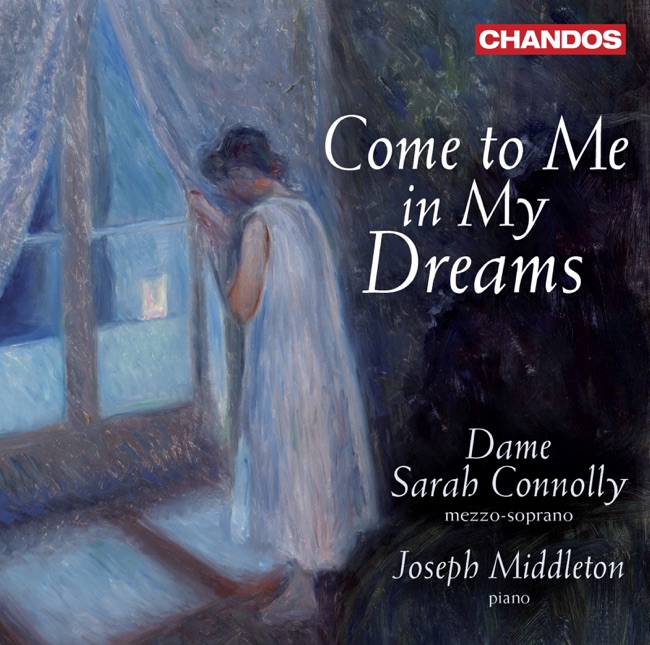 July 6, 2018
 -
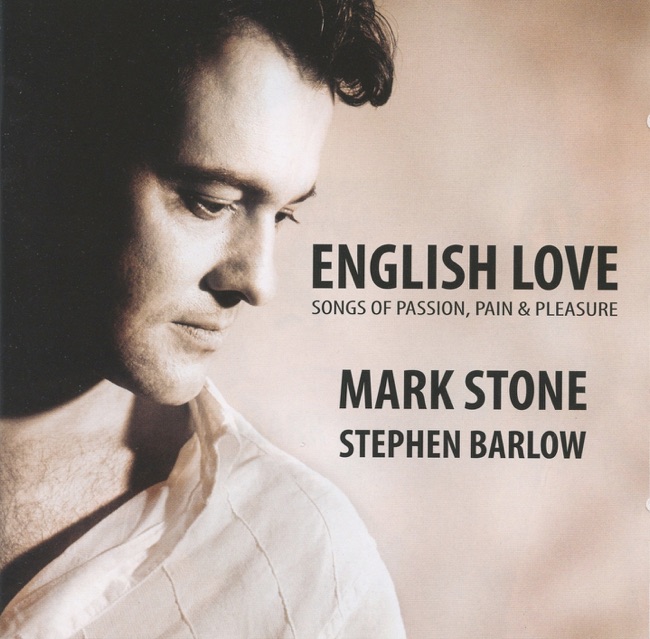 July 12, 2011
 -
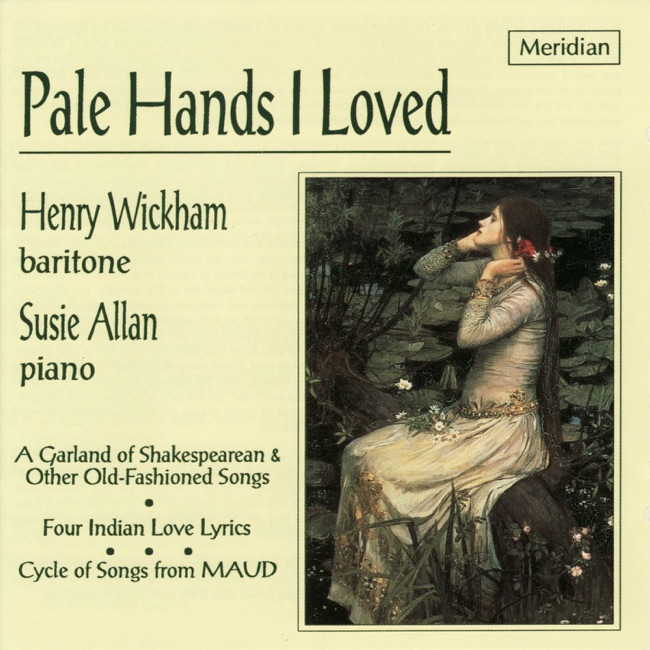 November 10, 2009
Chamber
-
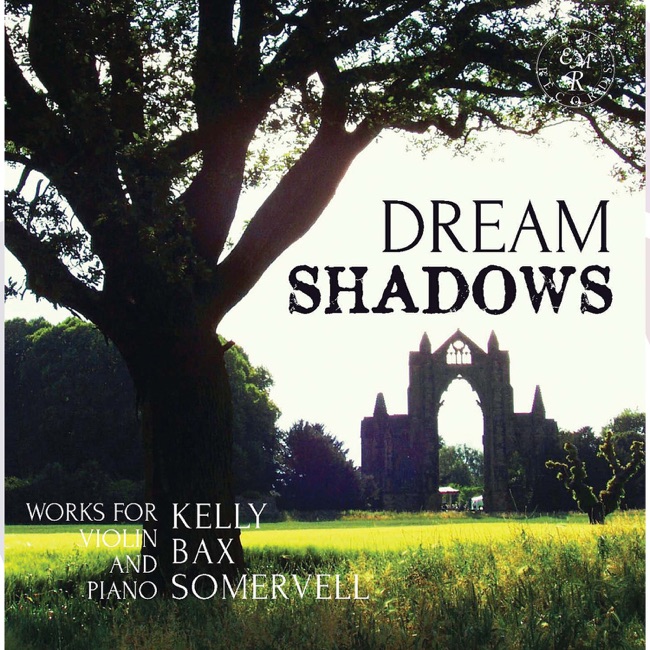 October 2, 2015
 -
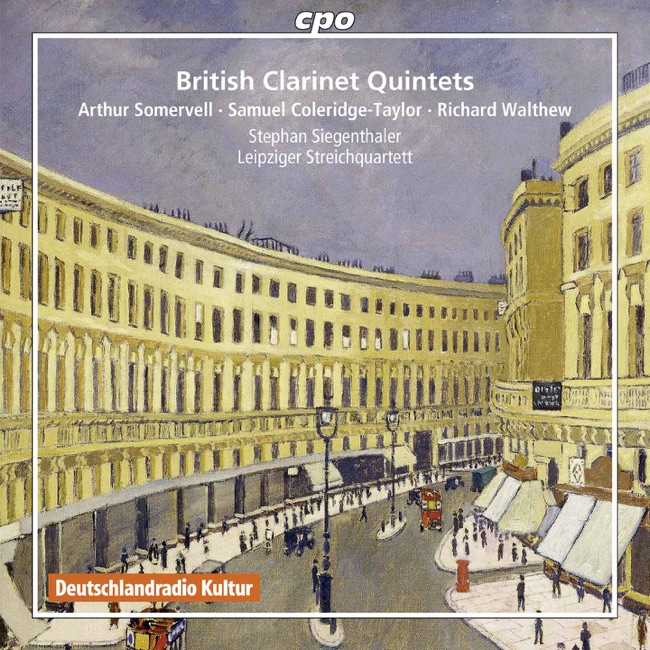 July 10, 2015
 -
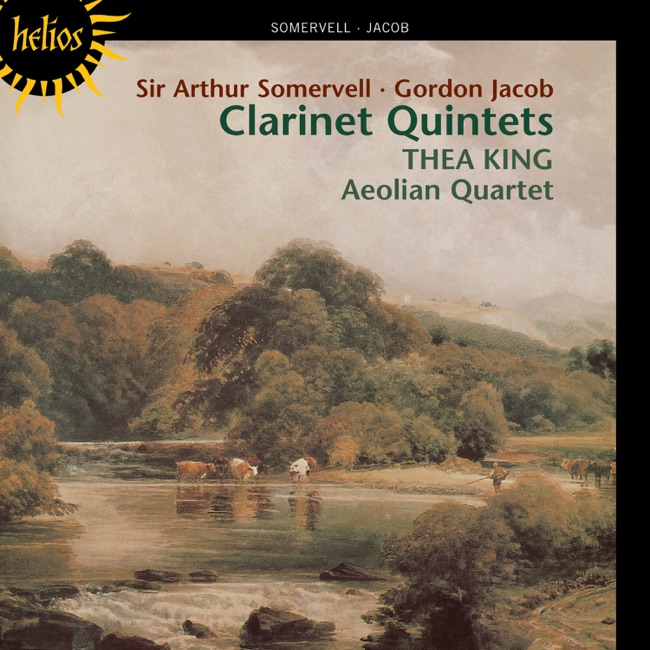 February 11, 2003
Artist Info
Role:ComposerCountry: United KingdomBirth:June 5, 1863 in Windermere, EnglandDeath:May 2, 1937 in London, EnglandPeriod:ModernGenre:KeyboardVocalArthur Somervell was a British composer and pianist who was born on June 5, 1863, in Windermere, England. He was the youngest of four children and grew up in a musical family. His father, a clergyman, was an amateur musician who played the organ and piano, and his mother was a singer. Somervell showed an early interest in music and began taking piano lessons at the age of six. Somervell attended Harrow School, where he was a member of the choir and played the piano. He went on to study music at Trinity College, Cambridge, where he was a pupil of Charles Villiers Stanford. Stanford was a major influence on Somervell's musical development, and he encouraged him to pursue a career in music. After graduating from Cambridge, Somervell studied piano with Tobias Matthay and composition with Hubert Parry. He also spent time in Germany, where he studied with Heinrich von Herzogenberg and Max Bruch. Somervell's early compositions were influenced by the German Romantic tradition, but he later developed his own style, which was characterized by its clarity and simplicity. Somervell's first major work was his Symphony in G minor, which he composed in 1891. The symphony was well-received and established Somervell as a composer of note. He went on to compose a number of other orchestral works, including the Overture to "The Two Gentlemen of Verona" and the Suite from "The Merchant of Venice." In addition to his orchestral works, Somervell composed a number of choral works, including the cantata "The Forsaken Merman" and the oratorio "The Passion of Christ." He also wrote a number of songs, many of which were settings of poems by Robert Louis Stevenson, A.E. Housman, and other poets. Somervell was also a respected pianist and accompanist. He frequently performed his own works and those of other composers in recitals and concerts. He was particularly known for his performances of the music of J.S. Bach and Beethoven. Somervell was a professor of music at the Royal College of Music from 1894 to 1924. He was a popular teacher and had a number of notable students, including Ralph Vaughan Williams, Gustav Holst, and Herbert Howells. Somervell was also active in the musical life of London. He was a member of the Royal Philharmonic Society and the Bach Choir, and he served as the conductor of the London Philharmonic Choir from 1924 to 1930. Somervell's later years were marked by declining health. He suffered from heart problems and was forced to retire from his teaching position at the Royal College of Music in 1924. He died on May 2, 1937, in London. Somervell's music is characterized by its clarity and simplicity. He was a master of melody and harmony, and his works are notable for their lyricism and emotional depth. His choral works, in particular, are highly regarded for their expressive power and their ability to convey the meaning of the text. Some of Somervell's most notable works include his Symphony in G minor, the cantata "The Forsaken Merman," and the oratorio "The Passion of Christ." His songs, which include settings of poems by Robert Louis Stevenson, A.E. Housman, and other poets, are also highly regarded. In conclusion, Arthur Somervell was a highly respected composer and pianist who made significant contributions to the musical life of England in the late 19th and early 20th centuries. His music is characterized by its clarity and simplicity, and his choral works are particularly notable for their expressive power.More....
Recent Artist Music


12
2:22
14
4:25
15
6:45

Copyright Ⓒ 2013 Davinci Finger. All rights reseved
Service Terms & Policy