


Ethel Smyth
Released Album
Chamber
-
 February 16, 2024
 -

-
 October 27, 2023
 -
 October 14, 2022
 -
 October 16, 2020
 -
 November 1, 2019
Orchestral
-
 May 3, 2011
 -
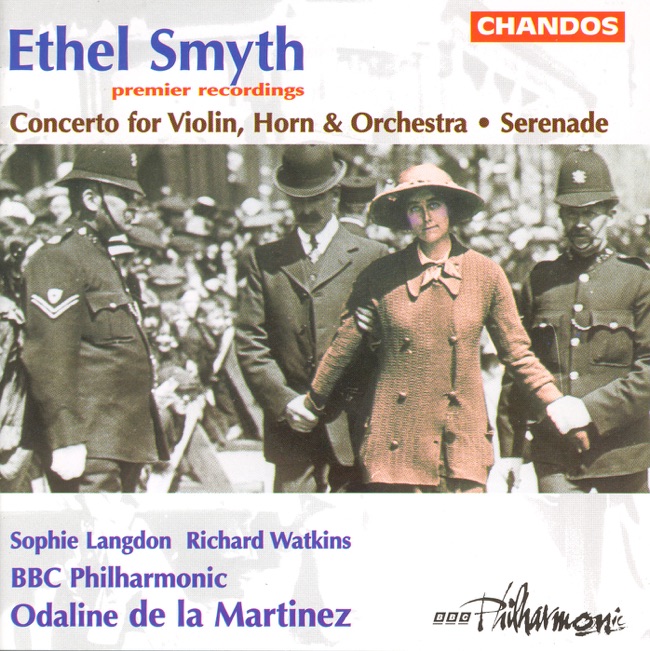 April 23, 1996
Choral
-
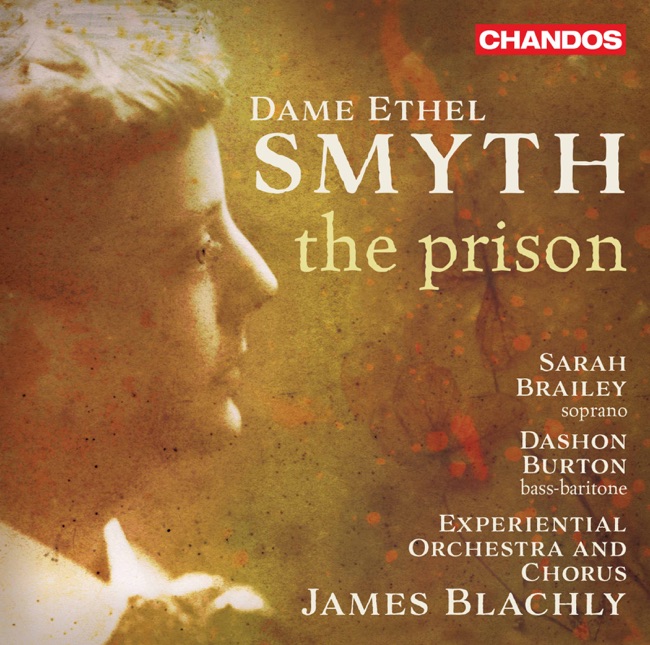 August 7, 2020
 -
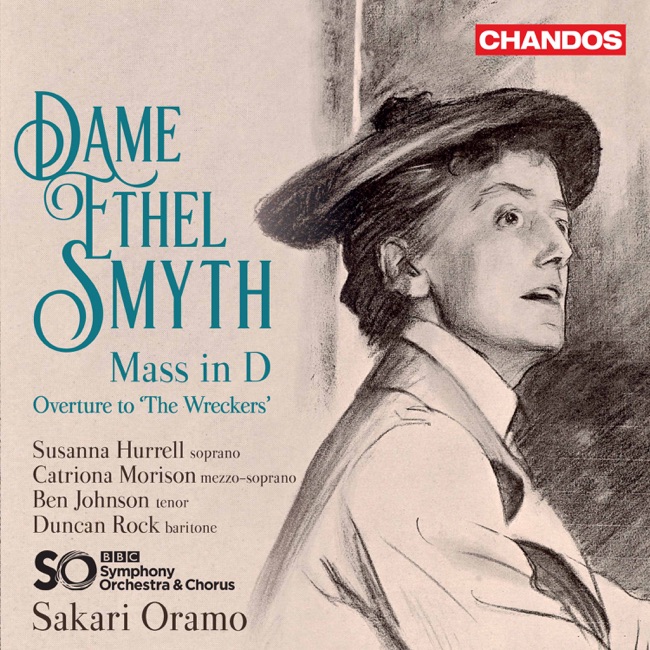 October 4, 2019
 -
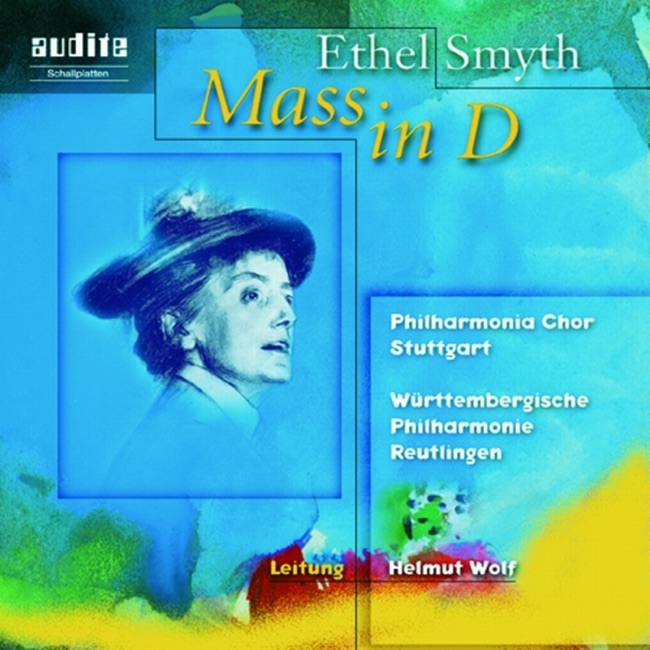 June 24, 2003
 -
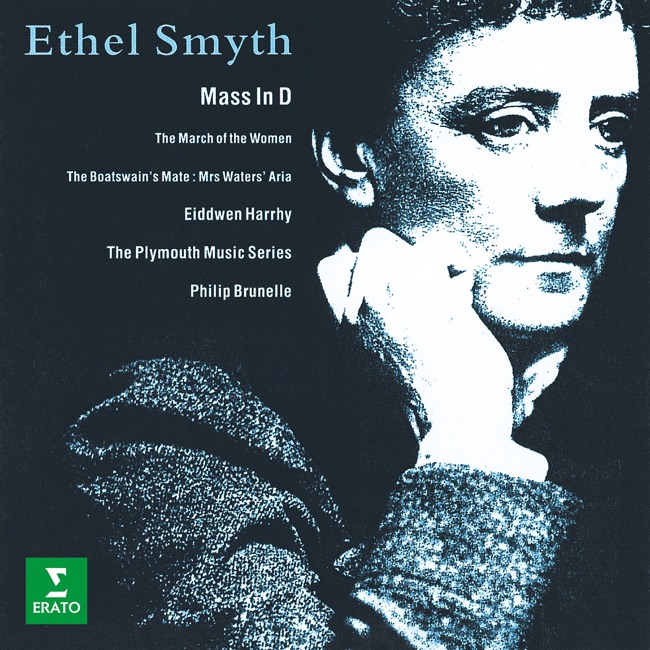 June, 1991
Artist Info
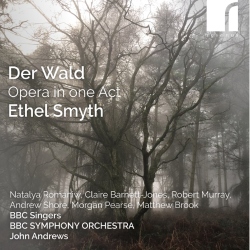
Role:Composer ConductorCountry: United KingdomBirth:April 22, 1858 in Marylebone, EnglandDeath:May 8, 1944 in Woking, Surrey, EnglandPeriod:ModernGenre:ChamberKeyboardOperaEthel Smyth was a British composer, writer, and suffragette who lived from 1858 to 1944. She was born in Sidcup, Kent, England, to a wealthy family. Her father was a major general in the British Army, and her mother was a talented amateur musician. Smyth showed an early interest in music and began composing at a young age. Smyth's family did not initially support her musical ambitions, but she was determined to pursue a career in music. She studied at the Leipzig Conservatory in Germany, where she was one of the few women in the program. She also studied with composer Heinrich von Herzogenberg in Berlin. Smyth's early works were heavily influenced by German Romanticism, but she later developed her own unique style. She was particularly interested in opera and wrote several successful works in this genre. Her first opera, Fantasio, premiered in Weimar in 1898 and was well-received. Her second opera, Der Wald, premiered in Berlin in 1902 and was also successful. Smyth's most famous opera is The Wreckers, which premiered in Leipzig in 1906. The opera tells the story of a community of smugglers who lure ships onto the rocks to plunder their cargo. The work was controversial at the time because of its depiction of violence and sexuality, but it was also praised for its innovative use of orchestration and its powerful choral writing. In addition to her work as a composer, Smyth was also an active member of the women's suffrage movement in England. She joined the Women's Social and Political Union (WSPU) in 1910 and became a close friend of its leader, Emmeline Pankhurst. Smyth wrote several songs and anthems for the suffrage movement, including "The March of the Women," which became the anthem of the WSPU. Smyth's involvement in the suffrage movement led to her arrest and imprisonment in 1912. She was sentenced to two months in Holloway Prison for breaking a window at the home of a government official. While in prison, she wrote a memoir called Prison and My First Forty Years, which was published in 1930. After her release from prison, Smyth continued to compose and write. She wrote several more operas, including The Boatswain's Mate (1916) and Fête Galante (1923). She also wrote a number of chamber works, including a string quartet and a sonata for violin and piano. Smyth's later works show a shift towards a more modernist style. She was particularly interested in the music of Arnold Schoenberg and other members of the Second Viennese School. Her final opera, The Prison, premiered in 1931 and was influenced by Schoenberg's twelve-tone technique. Smyth's contributions to music and the suffrage movement were recognized in her lifetime. She was made a Dame Commander of the Order of the British Empire in 1922, and she received an honorary doctorate from the University of Durham in 1928. She continued to be active in the suffrage movement until her death in 1944. Today, Smyth is remembered as an important composer and a pioneering feminist. Her music is still performed and recorded, and her contributions to the suffrage movement continue to inspire activists around the world.More....
Recent Artist Music
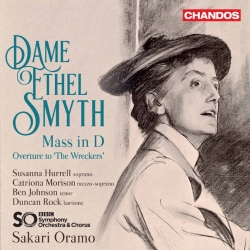
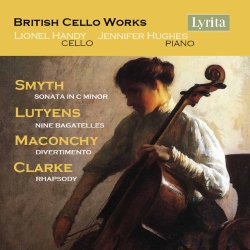
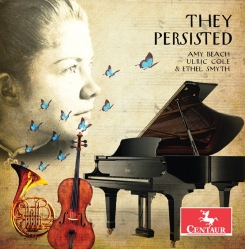
10
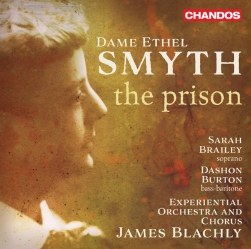
The Prison
Part I. Close on Freedom: The Prisoner communes with his Soul: 'l awoke in the middle of the night'. Andante - Più sostenuto - Più animato - Tempo I - Più animato - Meno mosso - Tempo I - Poco sostenuto - Adagio - Sostenuto - Pi
7:10
Recommend Playlist









Copyright Ⓒ 2013 Davinci Finger. All rights reseved
Service Terms & Policy