


Federico Ricci
Released Album
Opera
-
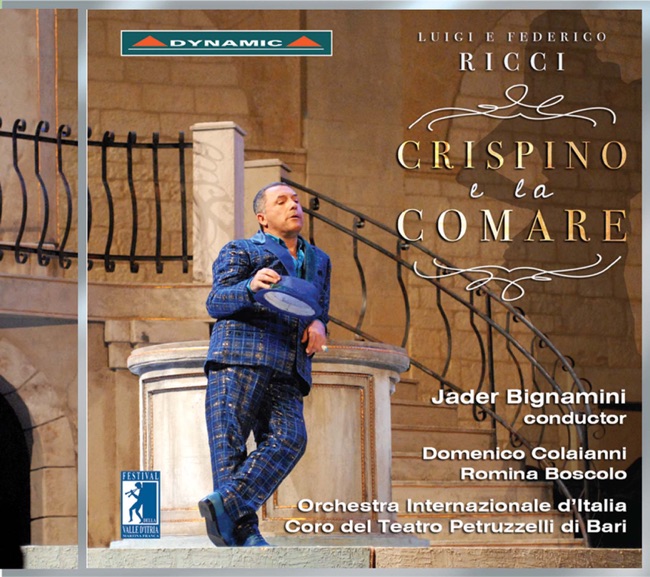 January 29, 2016
 -
 August 1, 2013
 -
 November 1, 2011
 -
 October 1, 2011
 -
 May 31, 2011
 -
 May 4, 2009
Vocal
-
 October 28, 2008
 -
 October 31, 2005
 -
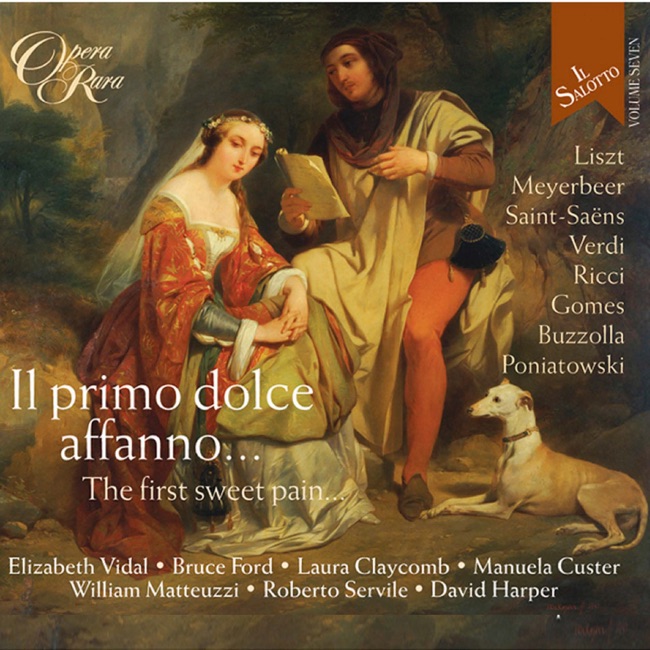 November 1, 2004
 -
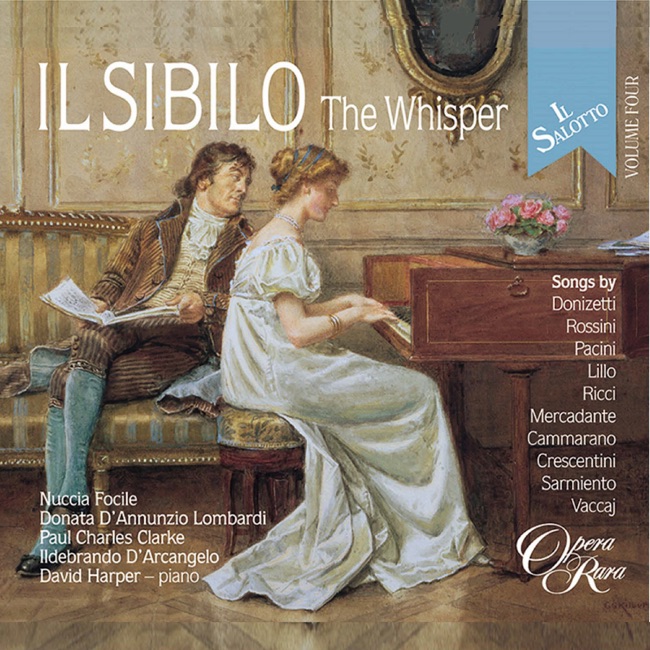 November 5, 2001
Choral
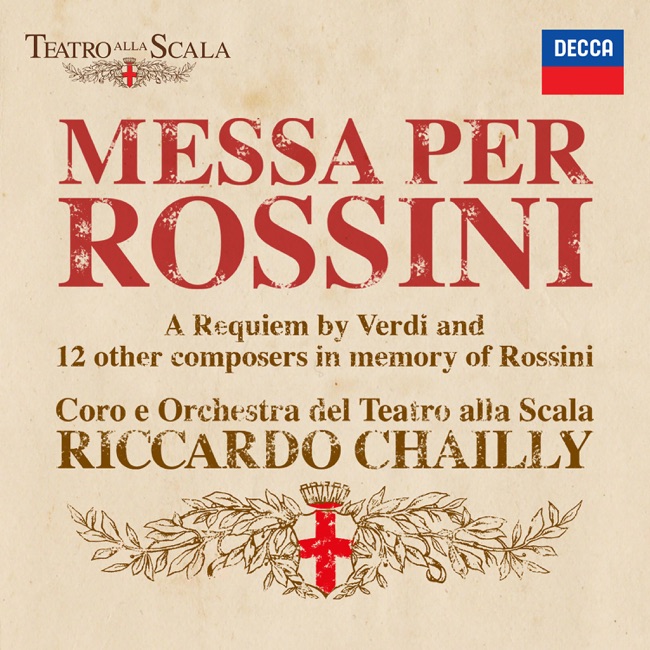
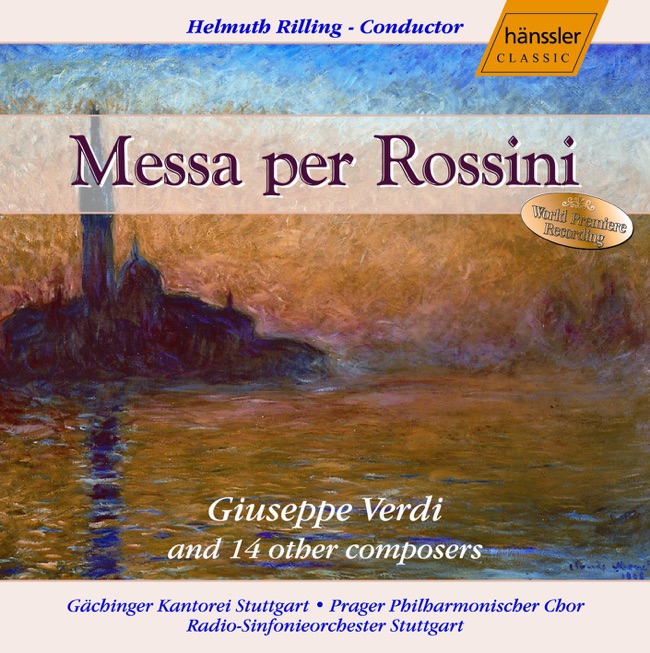
Artist Info
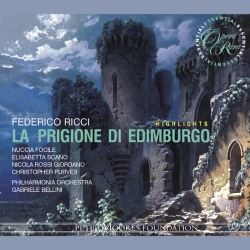
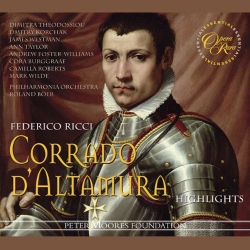
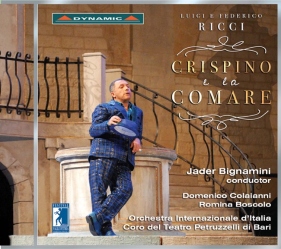
Role:ComposerCountry: ItalyBirth:October 22, 1809Death:December 10, 1877Period:RomanticGenre:ChoralOperaVocalFederico Ricci was an Italian composer of the 19th century, known for his contributions to the world of opera. Born on October 4, 1809, in Naples, Italy, Ricci was the son of a musician and grew up in a musical household. His father, Luigi Ricci, was a composer and conductor, and his mother, Maria Teresa Carafa, was a singer. Ricci's early exposure to music and his family's musical background played a significant role in his development as a composer. Ricci began his musical education at a young age, studying under his father and other prominent musicians in Naples. He showed a natural talent for music and quickly became proficient in several instruments, including the piano, violin, and guitar. As he grew older, Ricci's focus shifted to composition, and he began to write his own music. In 1834, Ricci made his debut as an opera composer with his work "La prigione di Edimburgo" (The Prison of Edinburgh). The opera was well-received, and Ricci's career as a composer began to take off. Over the next several years, he composed several more operas, including "Il nuovo Figaro" (The New Figaro) and "La festa di Piedigrotta" (The Feast of Piedigrotta). In 1840, Ricci's opera "Crispino e la comare" (Crispino and the Fairy) premiered in Venice, becoming an instant success. The opera, which tells the story of a poor cobbler who is helped by a fairy, was praised for its catchy melodies and lively orchestration. It quickly became one of the most popular operas of the 19th century and was performed throughout Europe and the United States. Following the success of "Crispino e la comare," Ricci continued to compose operas, including "La contessa di Mons" (The Countess of Mons) and "La prigione di Edimburgo" (The Prison of Edinburgh). However, none of these works achieved the same level of success as "Crispino e la comare." In addition to his work as a composer, Ricci was also a respected conductor and music educator. He served as the director of the Naples Conservatory from 1867 to 1877, where he taught several notable musicians, including composer Ruggero Leoncavallo. Ricci's music was characterized by its catchy melodies, lively rhythms, and colorful orchestration. He was known for his ability to write music that was both entertaining and emotionally engaging, and his operas were popular with audiences of all ages. Despite his success as a composer, Ricci's personal life was marked by tragedy. He lost his wife and several of his children to illness, and he struggled with financial difficulties throughout his career. However, he continued to compose music until his death on December 10, 1877, in Naples. Today, Ricci is remembered as one of the most important composers of the 19th century, particularly in the realm of opera. His works continue to be performed and recorded, and his contributions to the world of music are celebrated by musicians and music lovers around the world.More....
Recent Artist Music
2
8:24
Copyright Ⓒ 2013 Davinci Finger. All rights reseved
Service Terms & Policy