


Owen Brannigan
Released Album
Opera
-
 March 11, 2016
 -
 September 4, 2015
 -
 December 26, 2012
 -
 June 4, 2012
 -
 October 4, 2011
 -
 June 17, 2011
Choral
-
 November 1, 2019
 -
 September 13, 2019
 -
 July 13, 2015
 -
 January 23, 1996
 -
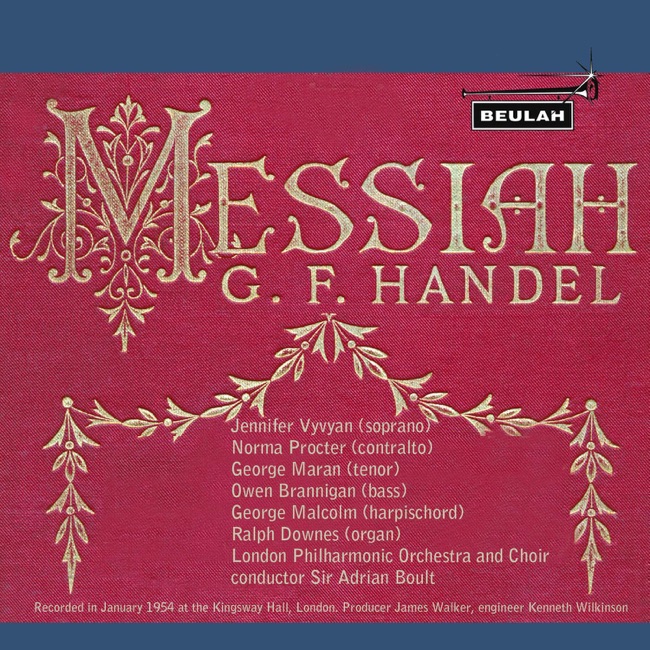 October 7, 1994
 -
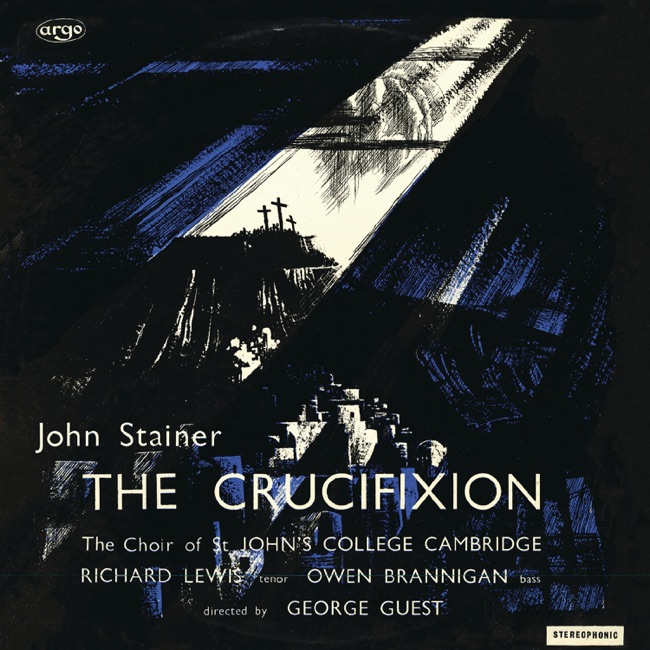 February 18, 1962
Vocal
-
 January 11, 2019
 -

-
 November 15, 1999
Symphony
-
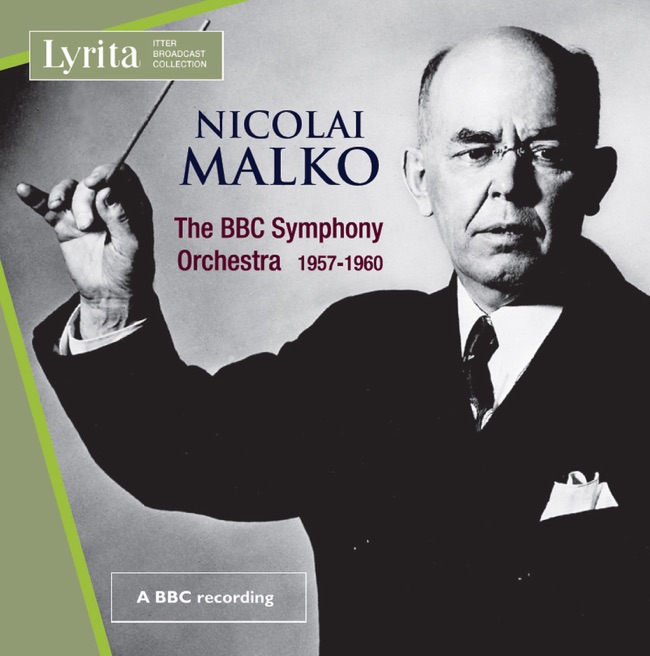 March 11, 2016
Artist Info
Country: United KingdomBirth:March 10, 1908 in Annitsford, Northumberland, EnglandDeath:May 9, 1973 in Newcastle Upon Tyne, EnglandPeriod:RomanticModernGenre:OperaOwen Brannigan was a renowned British bass-baritone who made a significant contribution to the world of classical music. He was born on March 10, 1908, in Annitsford, Northumberland, England. Brannigan was the youngest of six children and grew up in a musical family. His father was a church organist, and his mother was a singer. Brannigan's love for music was evident from a young age, and he began singing in the church choir at the age of six. Brannigan's musical education began at the Royal Academy of Music in London, where he studied under the tutelage of Frederick Austin. He made his professional debut in 1933, singing the role of the Speaker in Mozart's "The Magic Flute" at the Glyndebourne Festival. Brannigan's performance was well-received, and he soon became a regular performer at the festival. In 1936, Brannigan joined the Sadler's Wells Opera Company, where he performed in a variety of roles, including Don Basilio in "The Barber of Seville" and Leporello in "Don Giovanni." He also performed with the Carl Rosa Opera Company and the Covent Garden Opera Company. Brannigan's career took off in the 1950s when he began performing with the English Opera Group, led by Benjamin Britten. He performed in several of Britten's operas, including "Peter Grimes," "The Rape of Lucretia," and "Albert Herring." Brannigan's performance as Swallow in "Peter Grimes" was particularly noteworthy and helped establish him as one of the leading bass-baritones of his time. Brannigan's success with the English Opera Group led to performances with other major opera companies, including the Royal Opera House, Covent Garden, and the Metropolitan Opera in New York. He also performed in several productions for the BBC, including "The Marriage of Figaro" and "The Mikado." Brannigan's repertoire was not limited to opera. He was also a renowned performer of oratorio and lieder. He performed in Handel's "Messiah," Bach's "St. Matthew Passion," and Schubert's "Winterreise." Brannigan's performance of "The Dream of Gerontius" by Edward Elgar was particularly noteworthy and earned him critical acclaim. Brannigan's career spanned several decades, and he continued to perform well into his seventies. He was known for his warm, rich voice and his ability to convey emotion through his performances. Brannigan was also known for his sense of humor and his ability to connect with audiences. Brannigan received several awards and honors throughout his career. In 1969, he was awarded the CBE (Commander of the Order of the British Empire) for his services to music. He was also awarded the Queen's Silver Jubilee Medal in 1977. In 1981, he was awarded an honorary doctorate from the University of Durham. Brannigan retired from performing in 1982 and spent his later years teaching and mentoring young singers. He passed away on May 9, 1973, at the age of 65. In conclusion, Owen Brannigan was a talented and accomplished bass-baritone who made a significant contribution to the world of classical music. His warm, rich voice and his ability to convey emotion through his performances earned him critical acclaim and a devoted following. Brannigan's legacy lives on through his recordings and the many singers he mentored and inspired throughout his career.More....
Recent Artist Music

3

1:42

5

Academic cantata, Op. 62
Part 1. No. 1. Bonorum summum omnium / No. 2. quae bene beateque Vivendi
2:56

7

Sir John in Love
Act III: Scene III: A Room in Ford's house: MRS FORD Alas my love, you do me wrong
4:45






Related Artists
Copyright Ⓒ 2013 Davinci Finger. All rights reseved
Service Terms & Policy