


George Whitefield Chadwick
Released Album
Orchestral
-
 January 5, 2018
 -
 October 20, 2017
 -
 September 1, 2013
 -

-
 August 30, 2011
 -
 June 30, 2010
Keyboard
-
 July 10, 2018
 -
 July 21, 2017
 -
 February 24, 2015
 -

-
 November 21, 1978
 -

Vocal
-
-
 January 1, 2015
 -
 December 11, 2012
 -
-
 April, 1991
Symphony
-
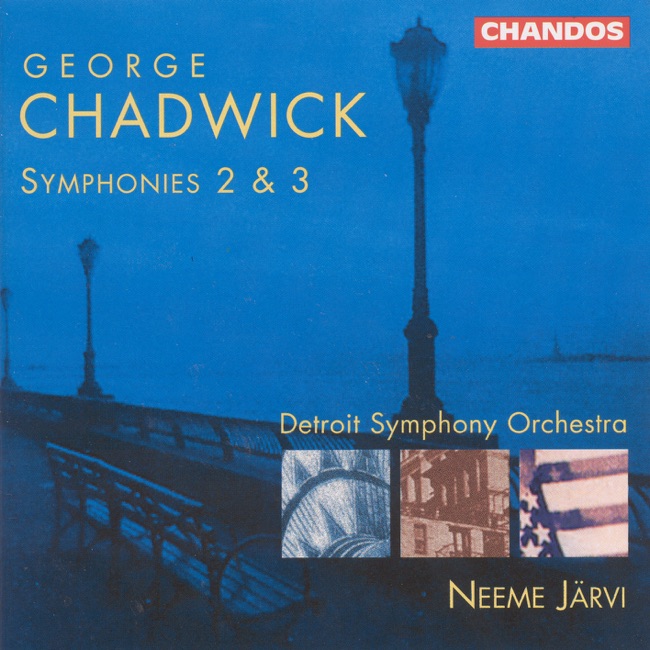 October 20, 1998
 -
 September 1, 1998
 -
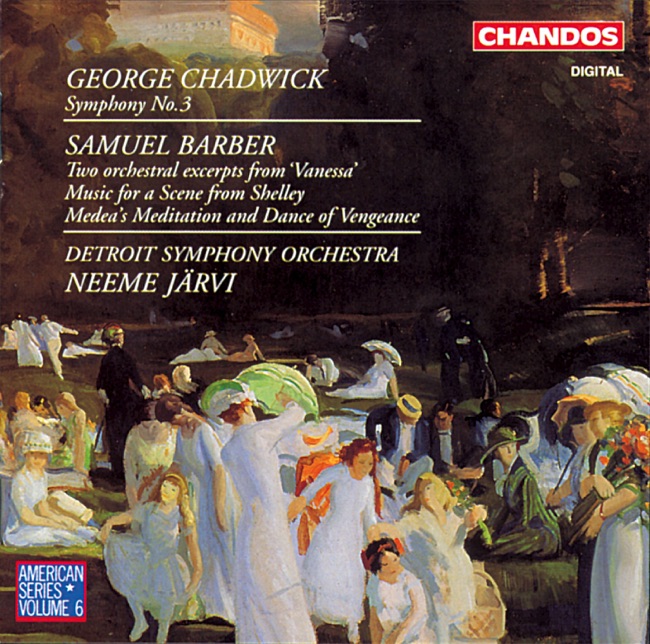
-
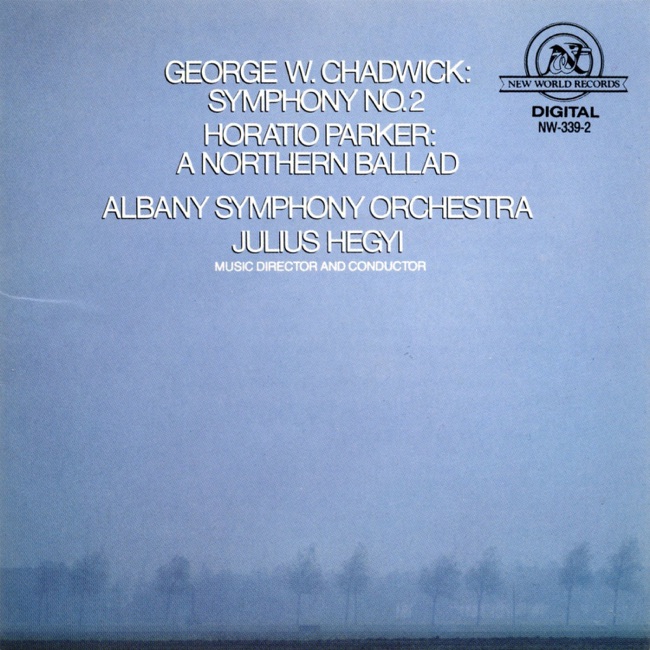
Artist Info
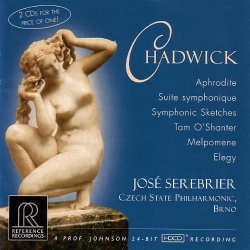
Role:ComposerCountry: United States of AmericaBirth:November 13, 1854 in Lowell, MADeath:April 4, 1931 in Boston, MAPeriod:RomanticGenre:ChamberOrchestralGeorge Whitefield Chadwick was an American composer who was born on November 13, 1854, in Lowell, Massachusetts. He was the son of a Unitarian minister, and his family was musically inclined. His mother was a pianist, and his father played the organ. Chadwick began his musical education at an early age, studying piano with his mother and later with a local teacher. He also sang in his father's church choir and played the organ. Chadwick's musical talent was evident from a young age, and he was encouraged to pursue a career in music. He attended the New England Conservatory of Music in Boston, where he studied composition with John Knowles Paine, the first American-born composer to achieve international recognition. Chadwick was a diligent student and quickly became one of Paine's most promising pupils. After graduating from the conservatory in 1877, Chadwick began his career as a composer and teacher. He taught at the New England Conservatory and later at the Boston Conservatory, where he was the director from 1897 to 1930. He also served as the president of the New England Conservatory from 1927 to 1930. Chadwick's music was influenced by the German Romantic tradition, particularly the music of Brahms and Wagner. He was also influenced by American folk music and the music of the African American community. His compositions were characterized by their lyricism, harmonic richness, and rhythmic vitality. Chadwick's early works were primarily chamber music, including string quartets, piano trios, and sonatas. His first major orchestral work was the Symphony No. 1 in C minor, which was premiered in 1887 by the Boston Symphony Orchestra. The symphony was well-received and established Chadwick as a leading American composer. Chadwick's most famous work is the Symphonic Sketches, a suite for orchestra that was premiered in 1895. The suite consists of four movements, each depicting a different scene or mood. The first movement, "Jubilee," is a lively and celebratory piece that incorporates elements of African American music. The second movement, "Noel," is a gentle and lyrical piece that evokes the Christmas season. The third movement, "Hobgoblin," is a playful and mischievous piece that features a prominent bassoon solo. The final movement, "A Vagrom Ballad," is a melancholy and nostalgic piece that incorporates elements of American folk music. Chadwick also composed several operas, including Judith, which was premiered in 1901. The opera is based on the biblical story of Judith and Holofernes and features a libretto by Chadwick's friend and collaborator, George E. Barton. The opera was well-received and established Chadwick as a leading American opera composer. In addition to his compositions, Chadwick was also a respected music educator and advocate for American music. He was a founding member of the American Guild of Organists and served as the president of the National Association of Schools of Music. He also wrote several influential articles and essays on American music and the role of the composer in American society. Chadwick continued to compose and teach until his death on April 4, 1931, in Boston. He left behind a legacy as one of the most important American composers of the late 19th and early 20th centuries. His music continues to be performed and recorded today, and his influence can be heard in the works of many American composers who followed in his footsteps.More....
Recent Artist Music

3
6:47
5
8:15
6
12:3

9
8:36
10

5:48
11
8:13

13

2:59


Copyright Ⓒ 2013 Davinci Finger. All rights reseved
Service Terms & Policy