George Whitefield Chadwick
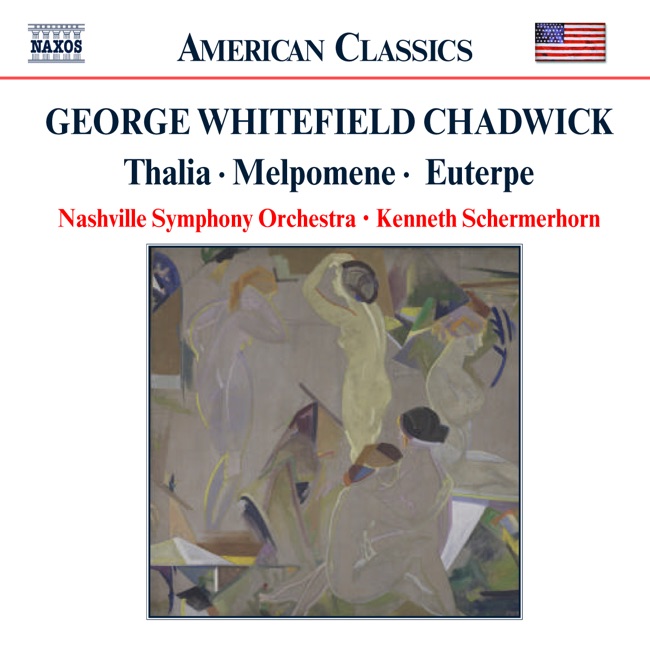
Euterpe, L. 2/14
Released Album
Recent Album
Works Info
Composer:George Whitefield ChadwickGenre:OrchestralStyle:OrchestralCompose Date:1903Average_duration:8:59Euterpe, L. 2/14 is a composition by American composer George Whitefield Chadwick. It was composed in 1909 and premiered on March 4, 1910, by the Boston Symphony Orchestra under the direction of Max Fiedler. The piece is named after Euterpe, the Greek muse of music. Euterpe, L. 2/14 is a three-movement work for orchestra. The first movement, marked Allegro con fuoco, is a lively and energetic piece that features a prominent brass section. The second movement, marked Andante, is a slower and more lyrical piece that showcases the strings. The final movement, marked Allegro vivace, is a fast and lively piece that brings the work to a thrilling conclusion. One of the characteristics of Euterpe, L. 2/14 is its use of traditional forms and structures. The first movement is in sonata form, with a clear exposition, development, and recapitulation. The second movement is in a simple ABA form, with a contrasting middle section. The final movement is in rondo form, with a recurring main theme that is interspersed with contrasting sections. Another characteristic of Euterpe, L. 2/14 is its use of orchestration. Chadwick was known for his skillful orchestration, and this piece is no exception. The brass section is particularly prominent throughout the work, with fanfares and flourishes that add to the overall excitement of the piece. The strings are also used effectively, with lush harmonies and soaring melodies. Overall, Euterpe, L. 2/14 is a dynamic and engaging work that showcases Chadwick's skill as a composer and orchestrator. Its use of traditional forms and structures, combined with its inventive orchestration, make it a standout piece in the American orchestral repertoire.More....
Works Music
Released Music