


Johann Friedrich Fasch
Released Album
Concerto
-
-
 November 4, 2022
 -
 September 17, 2021
 -
 February 12, 2021
 -
 November 15, 2019
 -
 August 16, 2019
Chamber
-
 May 19, 2023
 -
 July 3, 2020
 -
 February 21, 2020
 -
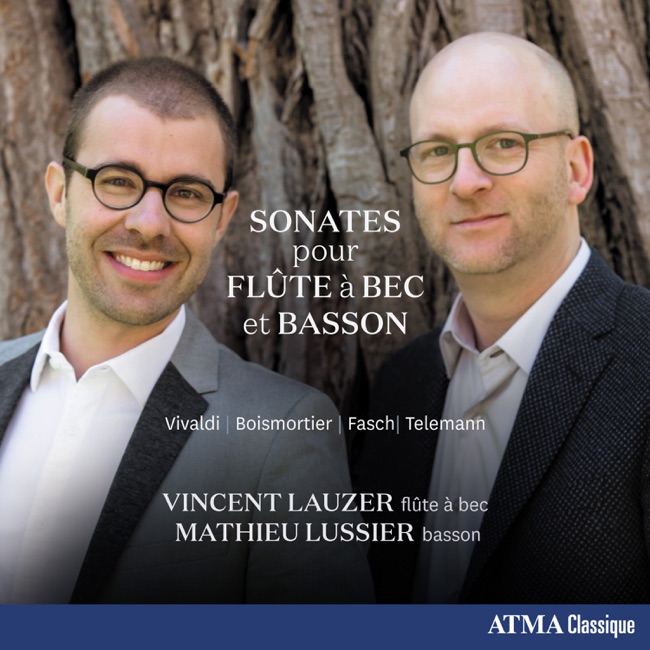
-
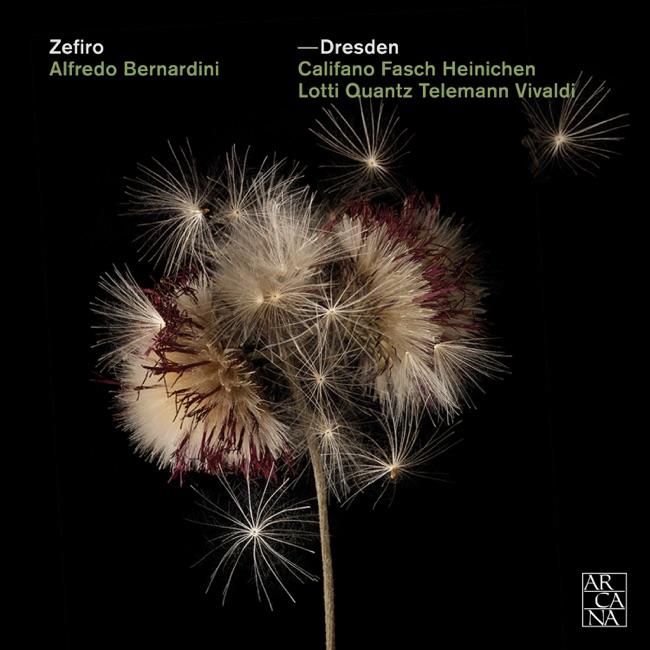 September 22, 2017
 -
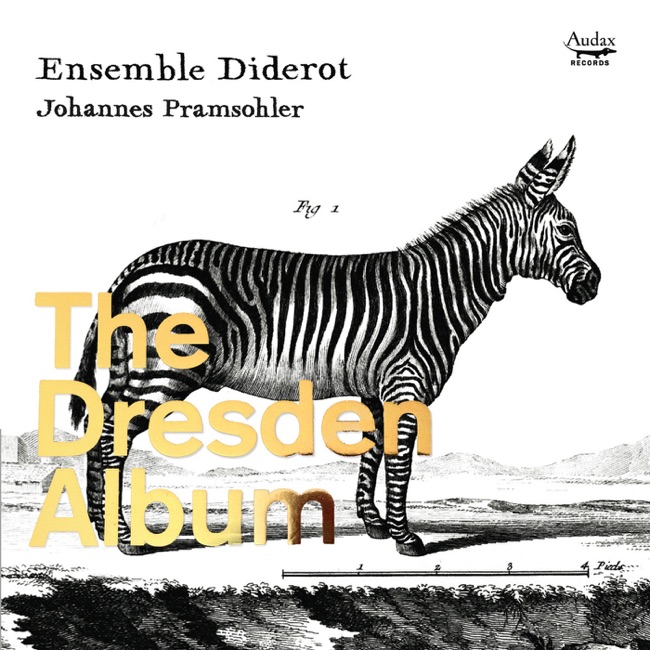 June 9, 2015
Orchestral
-
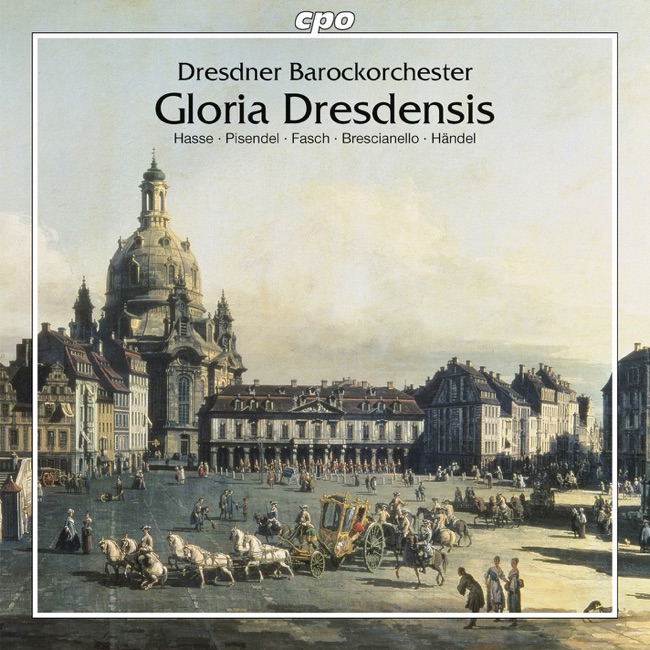 April 28, 2014
 -
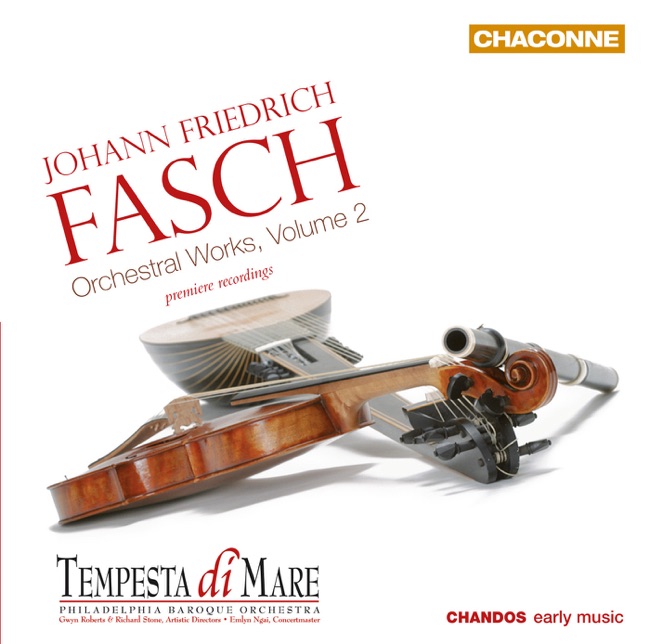 November 1, 2011
 -
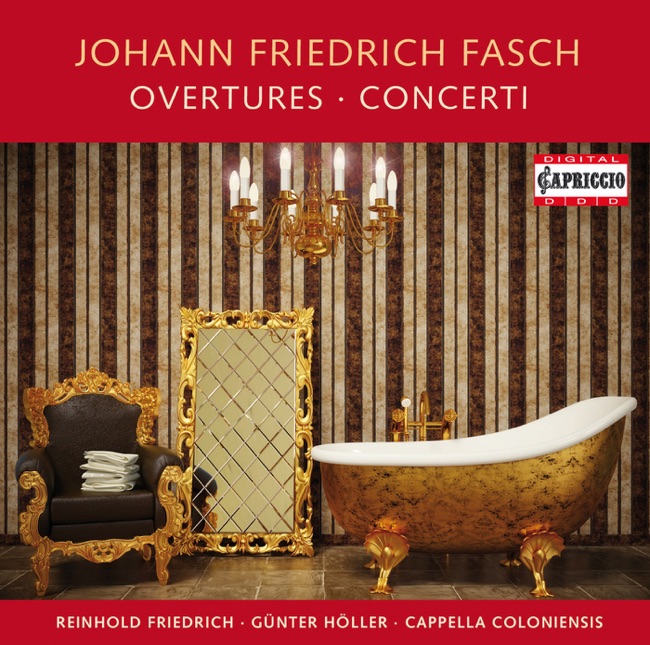 June 28, 2011
 -
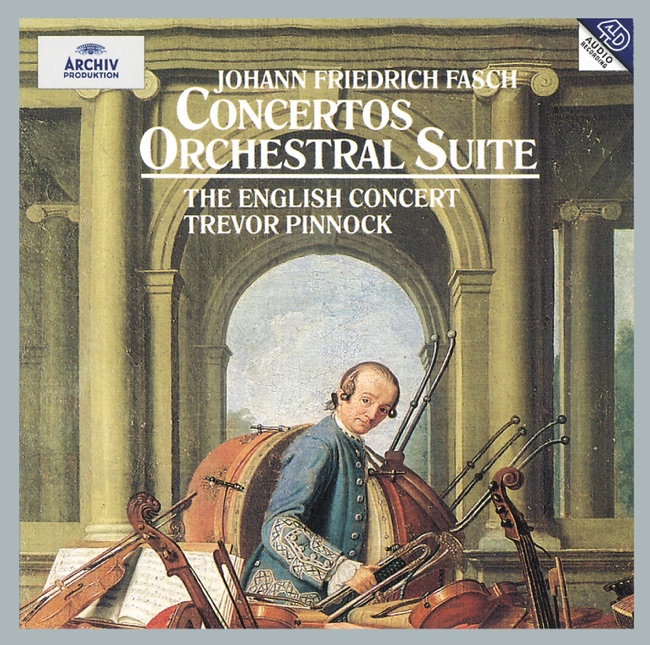 September 14, 2010
 -
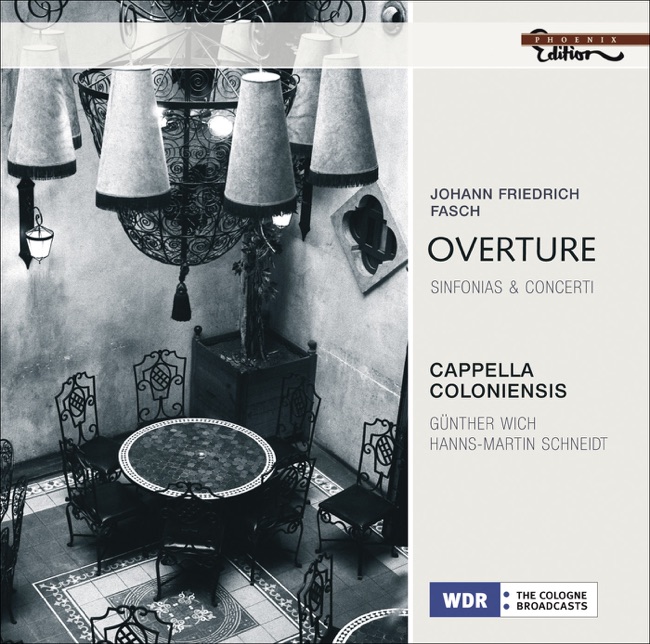 August 25, 2009
 -
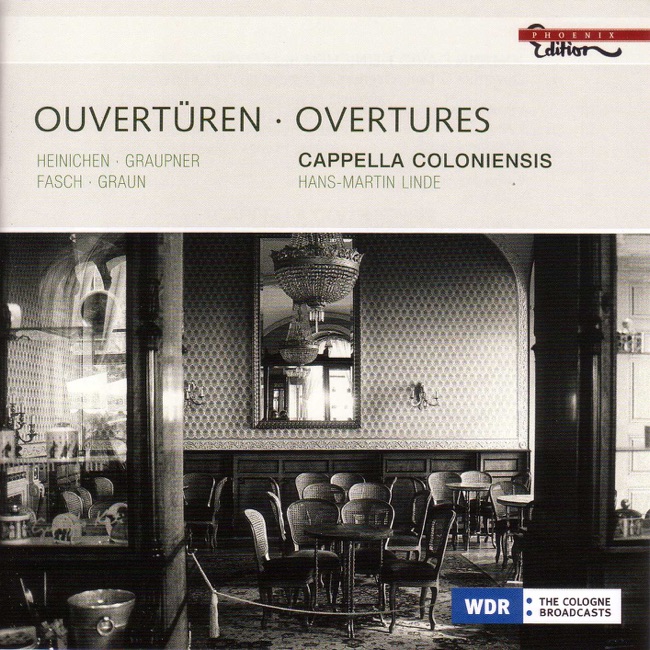 January 27, 2009
Choral
-
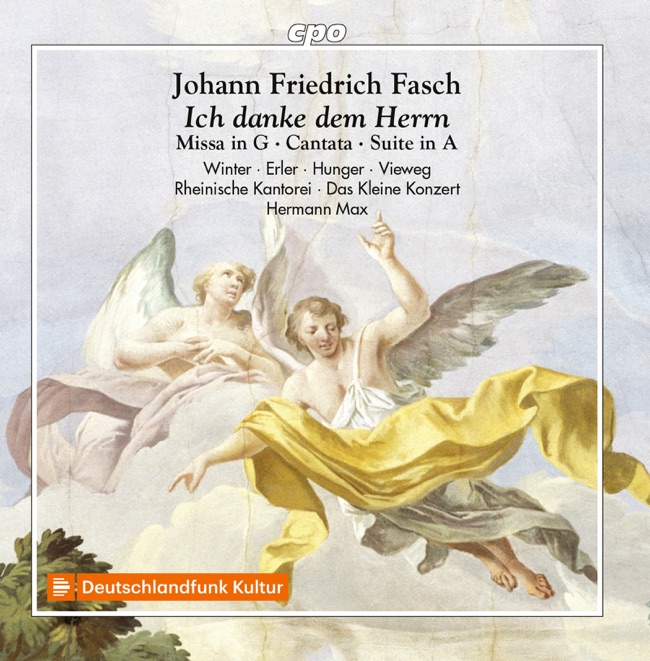
-
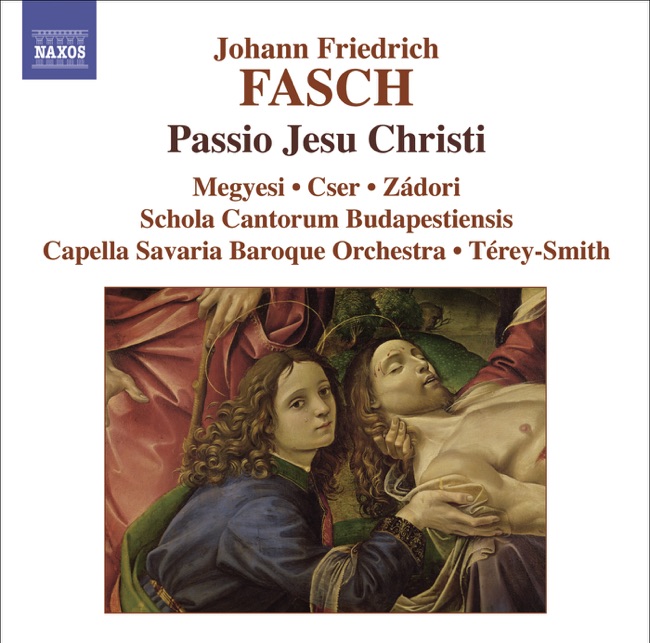 January 29, 2008
 -
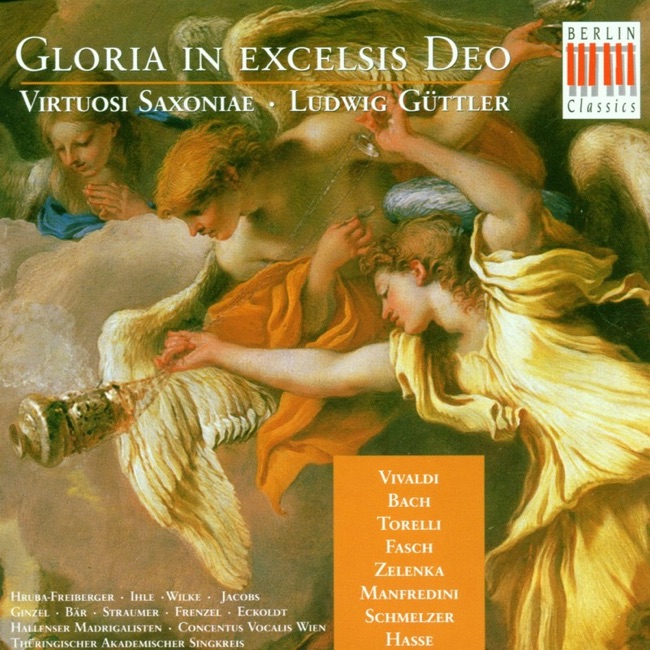 October 21, 1997
 -
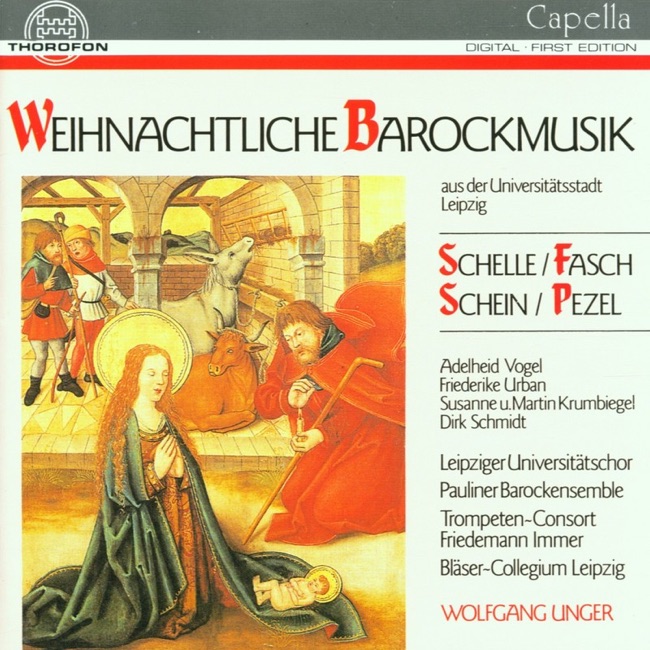 November, 1995
Artist Info
Role:ComposerCountry: GermanyBirth:April 15, 1688Death:December 5, 1758 in ZerbstPeriod:BaroqueGenre:ChamberConcertoOrchestralJohann Friedrich Fasch was a German composer of the Baroque era, born on April 15, 1688, in Buttelstedt, a small town in Thuringia, Germany. He was the son of a schoolmaster and organist, and his father was his first music teacher. Fasch showed an early talent for music, and by the age of 10, he was already playing the violin and the keyboard. Fasch's musical education continued at the Gymnasium in Weissenfels, where he studied under Johann Kuhnau, the famous composer and organist. Kuhnau recognized Fasch's talent and encouraged him to pursue a career in music. After completing his studies, Fasch worked as a musician in various cities in Germany, including Leipzig, Halle, and Dresden. In 1711, Fasch was appointed Kapellmeister at the court of Anhalt-Zerbst, where he remained for the next 17 years. During his time there, he composed a large number of works, including operas, cantatas, and instrumental music. Fasch's music was highly regarded by his contemporaries, and he was considered one of the leading composers of his time. Fasch's music is characterized by its elegance, clarity, and emotional depth. He was a master of counterpoint, and his works often feature complex polyphonic textures. Fasch was also known for his use of unusual instrumental combinations, such as the oboe d'amore and the viola d'amore. One of Fasch's most famous works is his Concerto in D major for trumpet, two oboes, bassoon, and strings. This piece is notable for its virtuosic trumpet part, which was written for the court trumpeter at Anhalt-Zerbst. The concerto is a prime example of Fasch's skill in writing for multiple instruments, as each part is given equal importance and contributes to the overall texture of the piece. Another notable work by Fasch is his Overture in D minor for two oboes, bassoon, strings, and continuo. This piece is a prime example of Fasch's ability to create dramatic and emotional music. The overture begins with a slow, mournful section in D minor, which is followed by a lively and energetic section in D major. The piece ends with a return to the mournful theme, creating a sense of closure and resolution. Fasch's music was highly influential in his time, and his works were widely performed throughout Germany. However, after his death in 1758, his music fell into obscurity, and it was not until the 20th century that his works were rediscovered and performed again. Today, Fasch is recognized as one of the leading composers of the Baroque era, and his music is admired for its beauty, complexity, and emotional depth. His works continue to be performed and recorded by musicians around the world, ensuring that his legacy will live on for generations to come.More....
Recent Artist Music
1
4:19
2
2:12
3
3:19
5
2:28
7
1:18
8
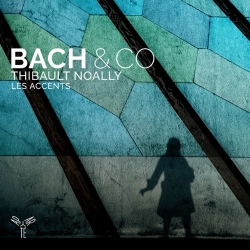
2:44
9
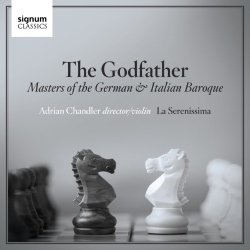
3:55
10
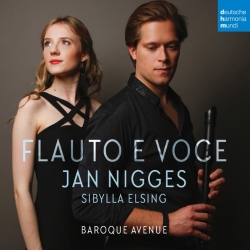
2:51
11
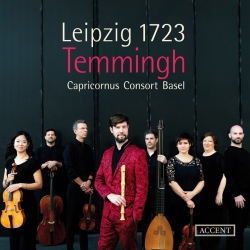
2:53
12
2:33
13
2:6
Recommend Playlist
Related Artists
Copyright Ⓒ 2013 Davinci Finger. All rights reseved
Service Terms & Policy