


Johann Friedrich Fasch
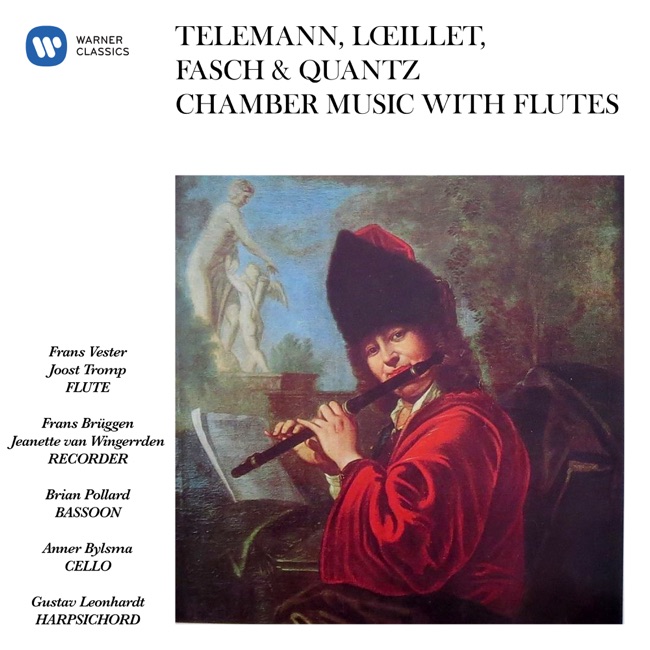
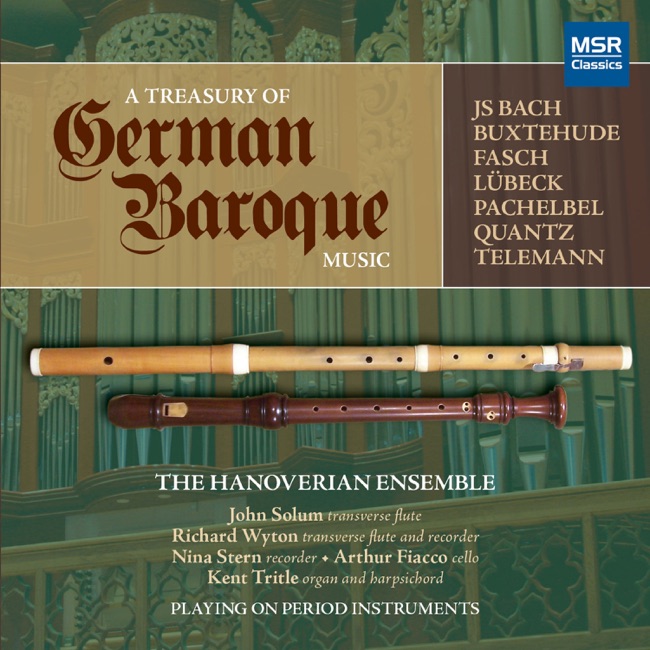
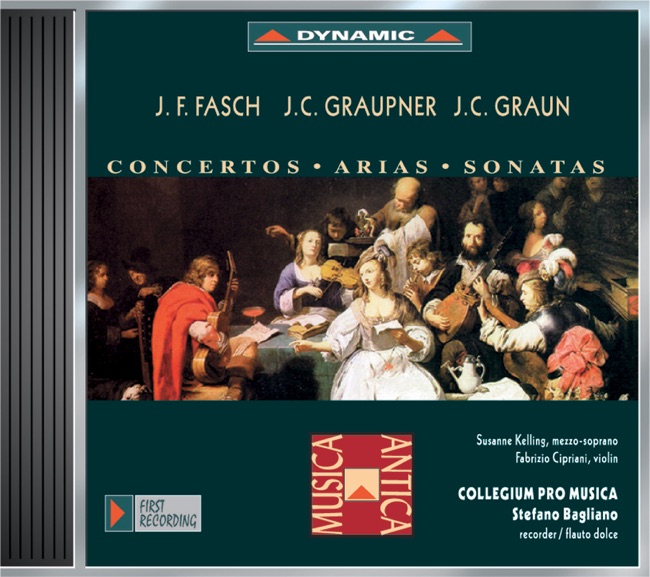
Sonata for flute, 2 recorders & continuo in G major
Released Album
Recent Album
Featured Album

Works Info
Composer:Johann Friedrich FaschGenre:ChamberStyle:SonataAverage_duration:8:27Johann Friedrich Fasch's Sonata for flute, 2 recorders & continuo in G major was composed in the early 18th century. The exact date of composition is unknown, but it is believed to have been written between 1710 and 1720. The sonata is a chamber music piece that features a solo flute, two recorders, and a continuo accompaniment. The sonata is divided into three movements: Allegro, Largo, and Allegro. The first movement, Allegro, is a lively and energetic piece that showcases the virtuosity of the solo flute and the two recorders. The second movement, Largo, is a slow and expressive piece that features a beautiful melody played by the solo flute. The final movement, Allegro, is a fast and lively piece that brings the sonata to a thrilling conclusion. The sonata is characterized by its use of counterpoint, which is the technique of combining multiple melodies to create a complex and harmonious composition. Fasch's use of counterpoint in this sonata is particularly impressive, as he seamlessly weaves together the melodies of the solo flute and the two recorders to create a rich and intricate musical tapestry. Overall, Fasch's Sonata for flute, 2 recorders & continuo in G major is a masterful example of Baroque chamber music. Its intricate counterpoint, virtuosic solo parts, and expressive melodies make it a beloved piece among musicians and audiences alike. The sonata premiered in the early 18th century and continues to be performed and enjoyed by music lovers around the world today.More....
Works Music
Released Music
Featured Music
5

1:48
6
1:50
7
1:56
8
2:55