


Roy Harris
Released Album
Symphony
-
 January 12, 2018
 -
 December 1, 2010
 -
 January 4, 2010
 -
 September 9, 2008
 -
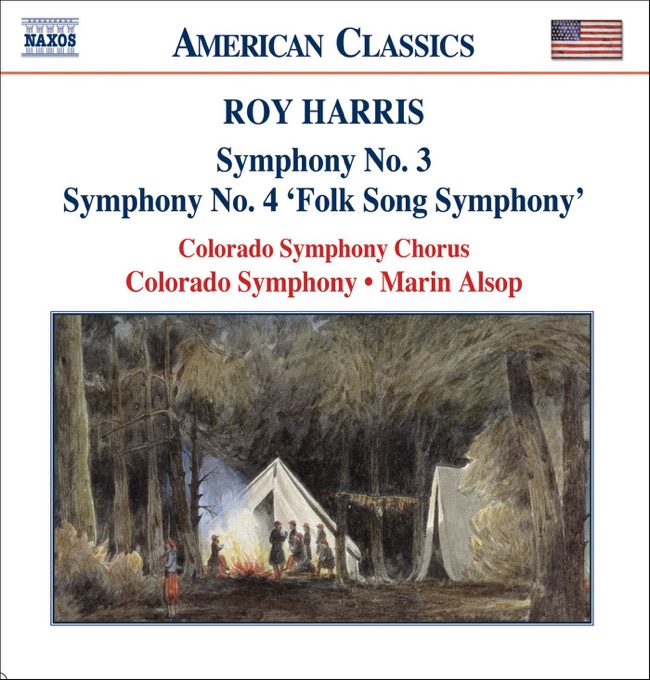
-
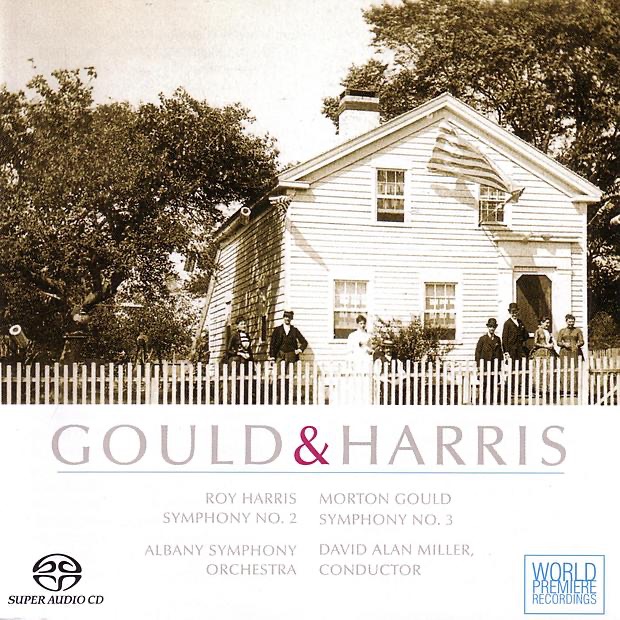 August 1, 2002
Keyboard
-
 November 2, 2018
 -
 October 28, 2016
 -
 November 19, 2013
 -
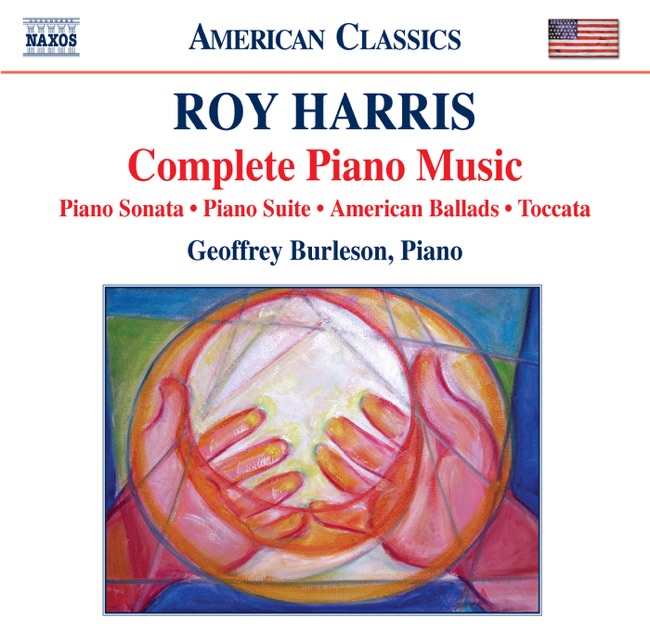 September 28, 2010
 -
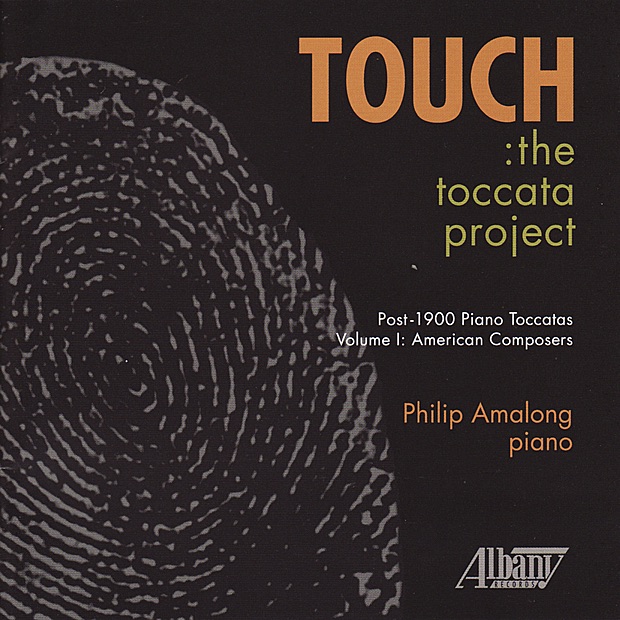 November 1, 2009
 -
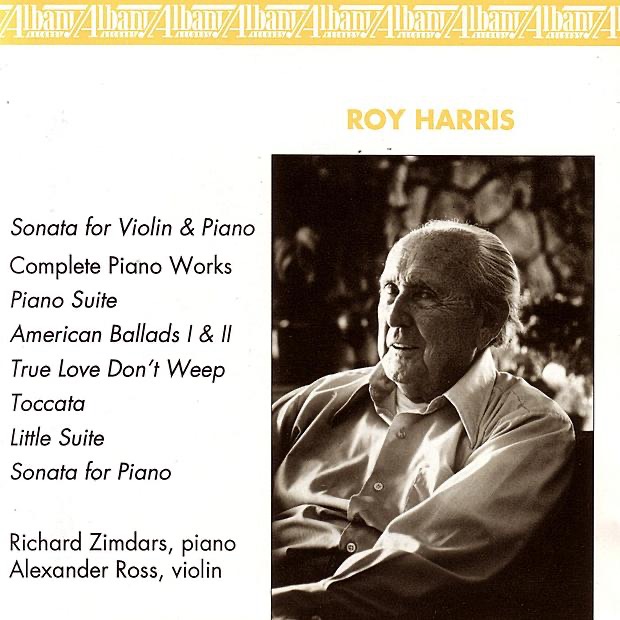 October 24, 2006
Chamber
-
 February 2, 2018
 -
 August 10, 1999
 -
 March 23, 1999
 -
 January 19, 1999
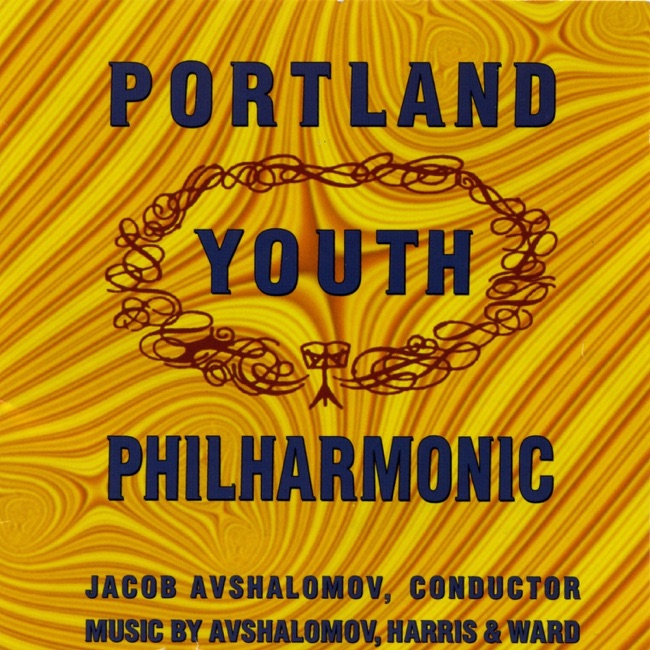
Artist Info
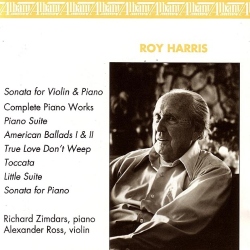
Role:Composer ConductorCountry: United States of AmericaBirth:February 12, 1898 in Chandler, OKDeath:October 1, 1979 in Santa Monica, CAPeriod:ContemporaryModernGenre:ChamberKeyboardOrchestralSymphonyRoy Harris was an American composer who was born on February 12, 1898, in Chandler, Oklahoma. He was the son of a farmer and a schoolteacher, and he grew up in a rural environment. Harris showed an early interest in music, and he began playing the piano and the violin at a young age. He also sang in the church choir and played in the local band. Harris attended the University of California, Berkeley, where he studied with Charles Seeger, a prominent musicologist and composer. Seeger introduced Harris to the music of Arnold Schoenberg and other modernist composers, which had a profound influence on his own music. Harris also studied with Arthur Bliss and Ralph Vaughan Williams in England, where he was exposed to the folk music of the British Isles. Harris's early works were influenced by the modernist style of Schoenberg and other European composers, but he soon developed his own distinctive voice. His music was characterized by its use of folk melodies and rhythms, its expansive harmonies, and its grand, sweeping gestures. Harris was also known for his use of large orchestral forces, which he used to create powerful, dramatic effects. Harris's breakthrough work was his Symphony No. 3, which he composed in 1938. The symphony was premiered by the Boston Symphony Orchestra under the direction of Serge Koussevitzky, and it was an immediate success. The symphony was praised for its bold, sweeping melodies, its rich harmonies, and its powerful emotional impact. It established Harris as one of the leading American composers of his time. Harris went on to compose a series of symphonies, each of which was more ambitious and expansive than the last. His Symphony No. 4, which he composed in 1940, was inspired by the landscape of the American West, and it featured a prominent role for the brass section. The symphony was premiered by the New York Philharmonic under the direction of Artur Rodzinski, and it was hailed as a masterpiece. Harris's Symphony No. 5, which he composed in 1942, was his most ambitious work to date. The symphony was inspired by the American Civil War, and it featured a large chorus and soloists. The symphony was premiered by the Boston Symphony Orchestra under the direction of Koussevitzky, and it was a huge success. The symphony was praised for its grandeur, its emotional power, and its use of folk melodies and rhythms. Harris continued to compose throughout the 1940s and 1950s, but his music fell out of favor with critics and audiences. He was criticized for his use of tonality and his rejection of the avant-garde style that was popular at the time. Harris continued to compose, however, and he remained committed to his own artistic vision. Harris's later works included his Symphony No. 7, which he composed in 1952, and his Symphony No. 9, which he composed in 1962. Both works were praised for their grandeur, their emotional power, and their use of folk melodies and rhythms. Harris also composed a number of chamber works, including his String Quartet No. 3, which he composed in 1937, and his Sonata for Violin and Piano, which he composed in 1940. Harris was a prolific composer who wrote in a variety of genres, including symphonies, chamber music, and choral works. His music was characterized by its grandeur, its emotional power, and its use of folk melodies and rhythms. Harris was a major figure in American classical music, and his influence can be heard in the works of many later composers.More....
Recent Artist Music
1
1:38
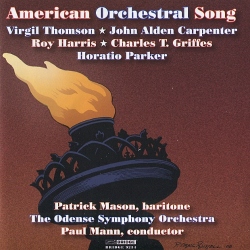
5
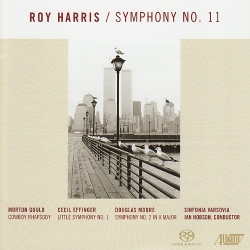
21:57
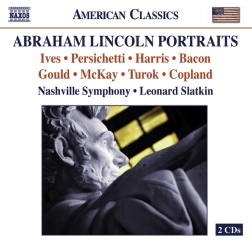
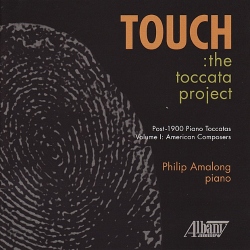


Related Artists
Copyright Ⓒ 2013 Davinci Finger. All rights reseved
Service Terms & Policy