


Oralia Dominguez
Released Album
Opera
-
 April 19, 2024
 -
 September 15, 2017
 -
 August 5, 2016
 -
 February 1, 2015
 -
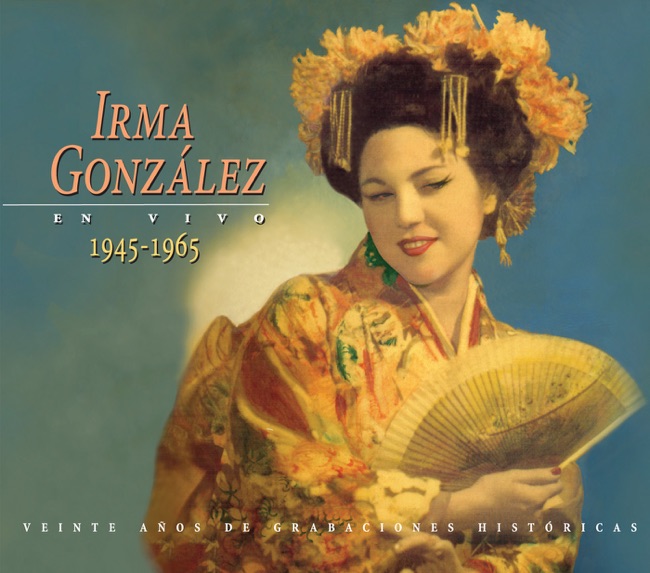 January 25, 2011
 -
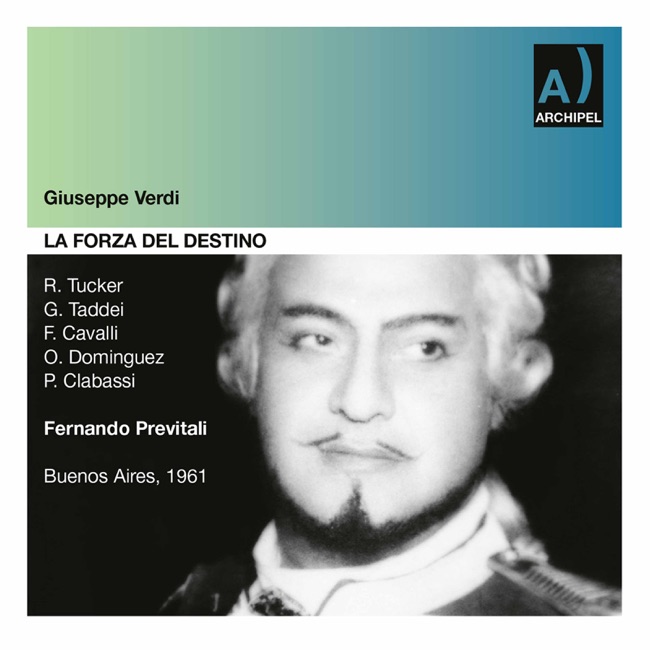
Choral
-
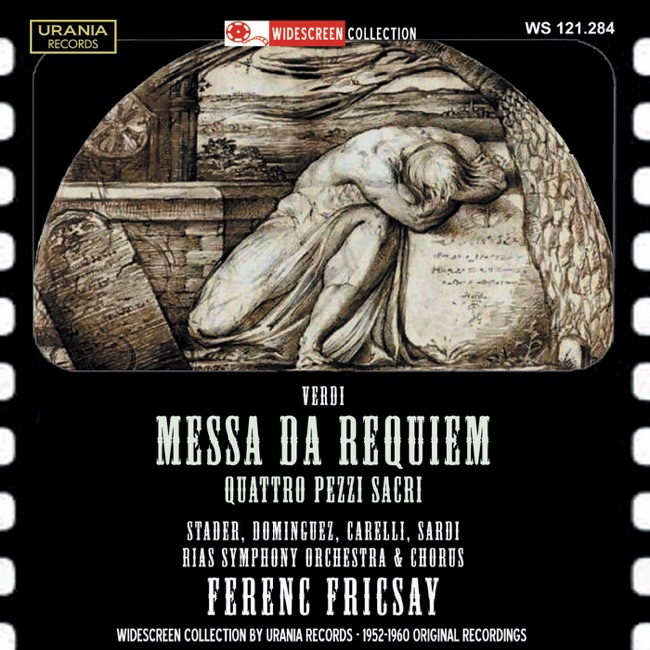 April 29, 2016
 -
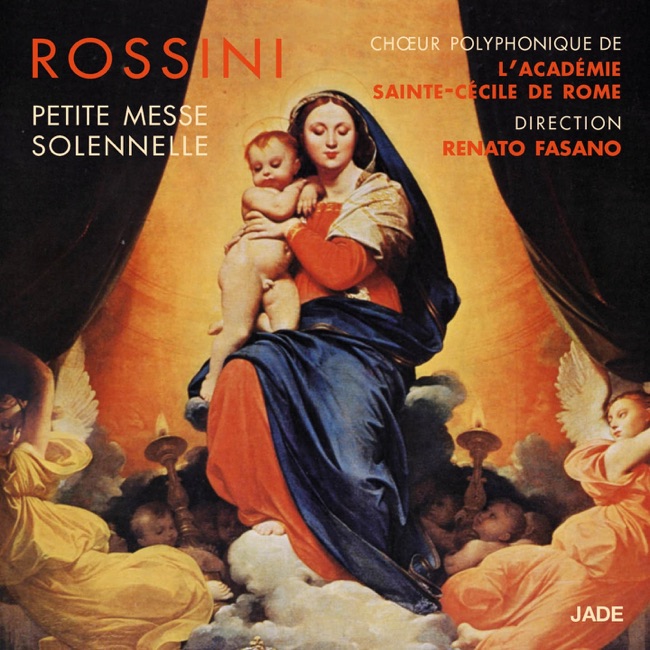 September 1, 2014
 -
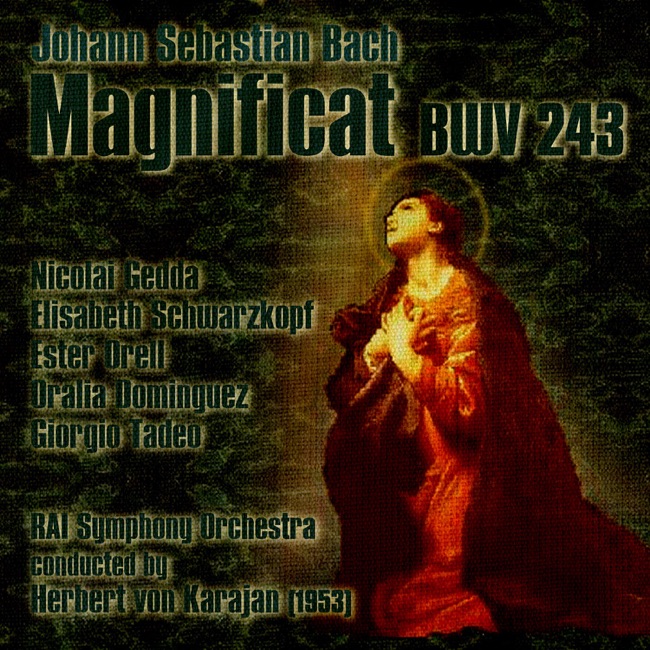 May 9, 2013
 -
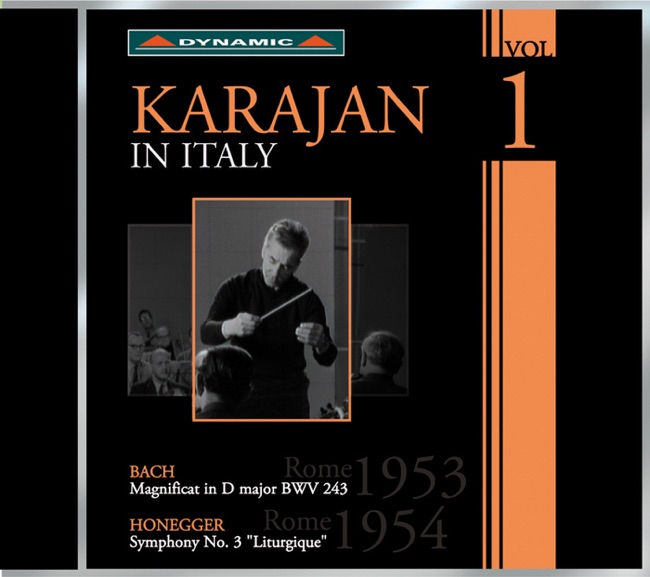 October 25, 2011
 -
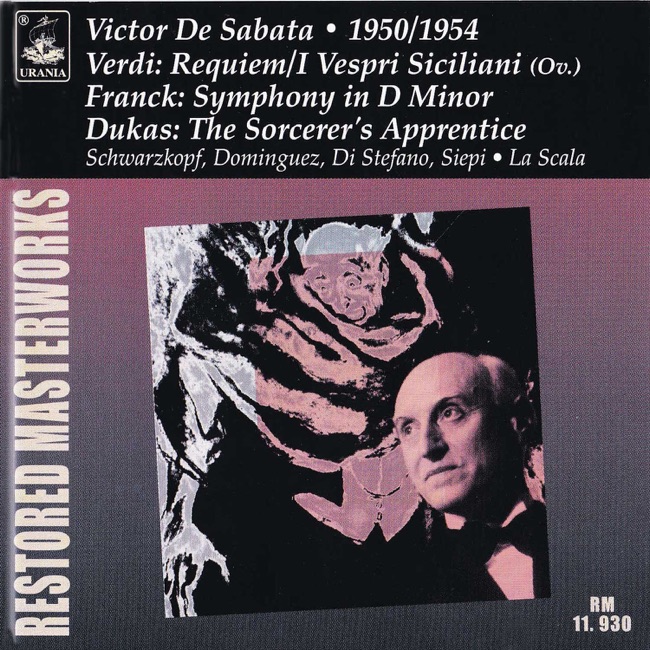
-
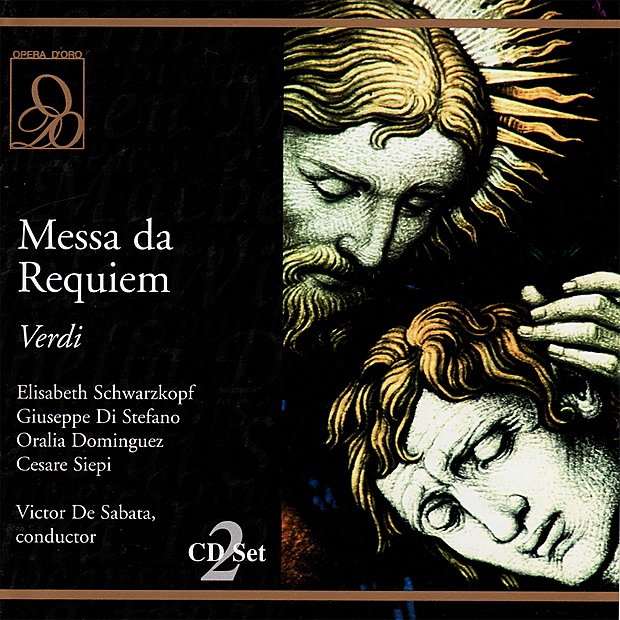 August 7, 2001
Artist Info
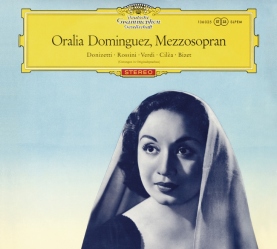
Period:RomanticGenre:ChoralOperaOralia Dominguez was a Mexican-American classical music artist who was born on August 2, 1925, in San Antonio, Texas. She was the youngest of six children and grew up in a musical family. Her father, a Mexican immigrant, played the guitar and sang traditional Mexican songs, while her mother played the piano and sang in the church choir. Dominguez's siblings also played musical instruments, and they often performed together as a family. Dominguez showed an early interest in music and began singing in the church choir at a young age. She also took piano lessons and learned to play the guitar from her father. Her talent was recognized by her music teacher, who encouraged her to pursue a career in music. In 1943, Dominguez graduated from high school and enrolled at the University of Texas at Austin, where she studied music. She was one of the few Hispanic students at the university and faced discrimination and prejudice from some of her classmates and professors. Despite these challenges, she persevered and graduated with a degree in music in 1947. After graduation, Dominguez moved to New York City to pursue a career in opera. She studied with renowned vocal coach William Herman and made her debut at the Metropolitan Opera in 1951, singing the role of the High Priestess in Verdi's "Aida." She received critical acclaim for her performance and was praised for her powerful voice and dramatic presence on stage. Over the next few years, Dominguez performed in several other operas at the Metropolitan Opera, including "Carmen," "La Traviata," and "Don Giovanni." She also performed with other opera companies, including the San Francisco Opera and the Lyric Opera of Chicago. In addition to her opera career, Dominguez was also a successful concert artist. She performed in recitals and concerts throughout the United States and Europe, singing a wide range of repertoire, including art songs, oratorios, and choral works. She was particularly known for her interpretations of Spanish and Latin American music, and she often included these works in her concerts. Dominguez received many awards and honors throughout her career. In 1953, she was awarded the Marian Anderson Award, which recognized her as a promising young artist. In 1955, she was awarded the National Association of Teachers of Singing Award for outstanding achievement in the field of vocal music. She was also a recipient of the Rockefeller Foundation Grant, which allowed her to study and perform in Europe. Despite her success, Dominguez faced many challenges as a Hispanic woman in the classical music world. She often faced discrimination and prejudice from audiences, critics, and even other musicians. She was also criticized for her accent and pronunciation, which some felt was not "proper" for classical music. Despite these challenges, Dominguez remained committed to her art and continued to perform and teach throughout her career. She was a dedicated teacher and mentor to many young singers, and she was known for her generosity and kindness. Dominguez retired from performing in the 1980s and returned to San Antonio, where she continued to teach and mentor young singers. She passed away on December 25, 1993, at the age of 68. Oralia Dominguez was a trailblazer in the classical music world, breaking down barriers and paving the way for future generations of Hispanic and female artists.More....
Recent Artist Music
8
3:45



Copyright Ⓒ 2013 Davinci Finger. All rights reseved
Service Terms & Policy