


Johann Sebastian Bach
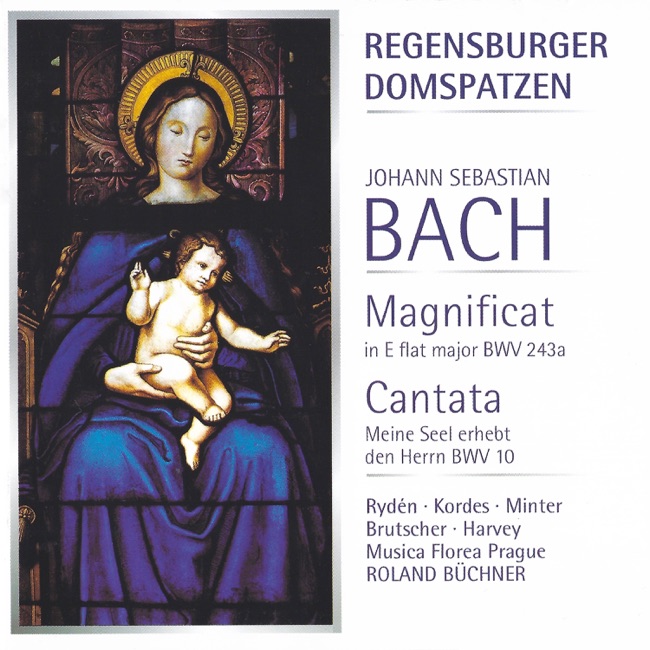
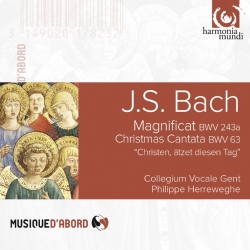
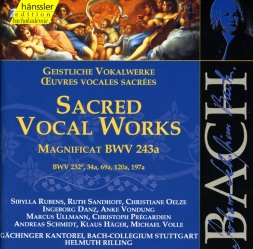
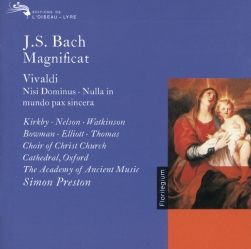
Magnificat in E flat major, BWV 243a
Released Album
Recent Album
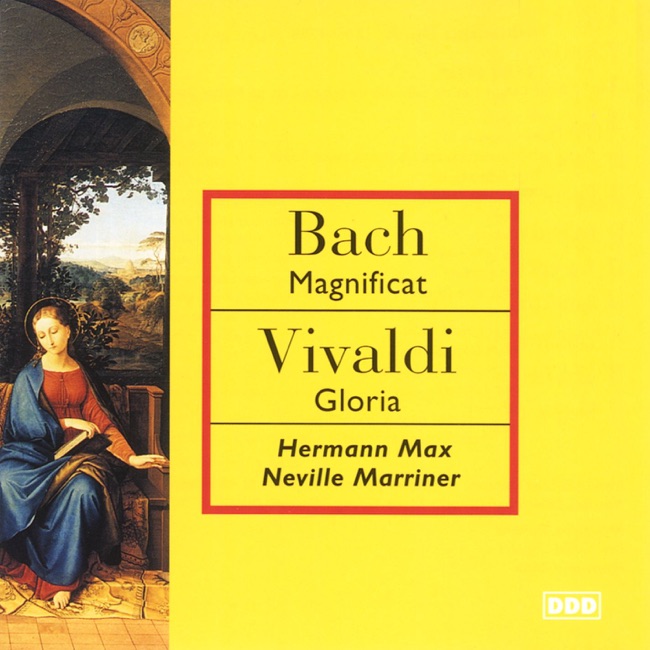
Featured Album
Works Info
Composer:Johann Sebastian BachGenre:ChoralStyle:MagnificatCompose Date:Dec 1723Publication Date:1955First Performance:Dec 25, 1723Average_duration:35:07Movement_count:16Movement ....Johann Sebastian Bach composed the Magnificat in E flat major, BWV 243a, in 1723. It was premiered on Christmas Day of the same year at the Thomaskirche in Leipzig, Germany. The Magnificat is a musical setting of the biblical canticle Magnificat, which is Mary's song of praise to God after learning that she will give birth to Jesus. The Magnificat in E flat major, BWV 243a, consists of twelve movements, including a choral opening and closing movement, and arias and duets for soloists. The first movement, "Magnificat anima mea Dominum," is a grand choral setting of the opening lines of the Magnificat. The second movement, "Et exultavit spiritus meus," is a joyful duet for soprano and alto, accompanied by a lively string section. The third movement, "Quia respexit humilitatem," is a tender aria for alto, accompanied by a solo violin. The fourth movement, "Omnes generationes," is a choral setting of the text "All generations shall call me blessed." The fifth movement, "Quia fecit mihi magna," is a virtuosic aria for soprano, accompanied by a solo trumpet. The sixth movement, "Et misericordia," is a duet for alto and tenor, accompanied by a gentle string section. The seventh movement, "Fecit potentiam," is a choral setting of the text "He has shown strength with his arm." The eighth movement, "Deposuit potentes," is a bass aria, accompanied by a solo cello. The ninth movement, "Esurientes implevit bonis," is a duet for soprano and alto, accompanied by a lively string section. The tenth movement, "Suscepit Israel," is a choral setting of the text "He has helped his servant Israel." The eleventh movement, "Sicut locutus est," is a bass aria, accompanied by a solo oboe. The final movement, "Gloria Patri," is a grand choral setting of the doxology. The Magnificat in E flat major, BWV 243a, is characterized by its grandeur, joyfulness, and virtuosity. Bach's use of soloists, duets, and choral settings creates a rich and varied musical texture. The use of trumpets, oboes, and strings adds to the festive nature of the work. The Magnificat is a testament to Bach's skill as a composer and his ability to create music that is both beautiful and spiritually uplifting.More....
Works Music
Released Music
1
2:44
Featured Music
12

2:8