


Basil Harwood
Released Album
Choral
-
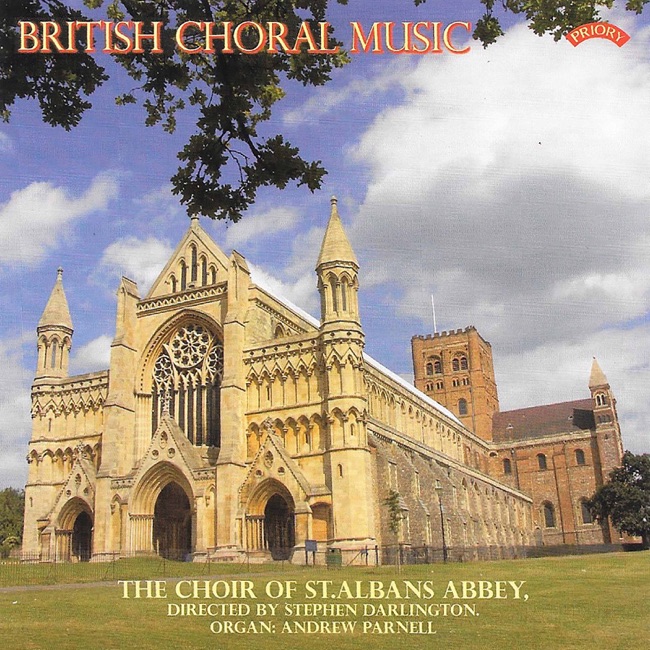 June 18, 2021
 -
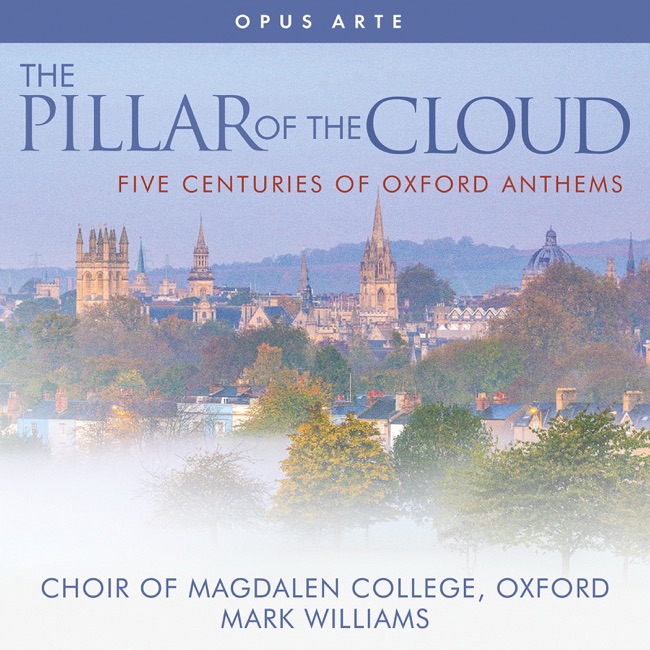
-
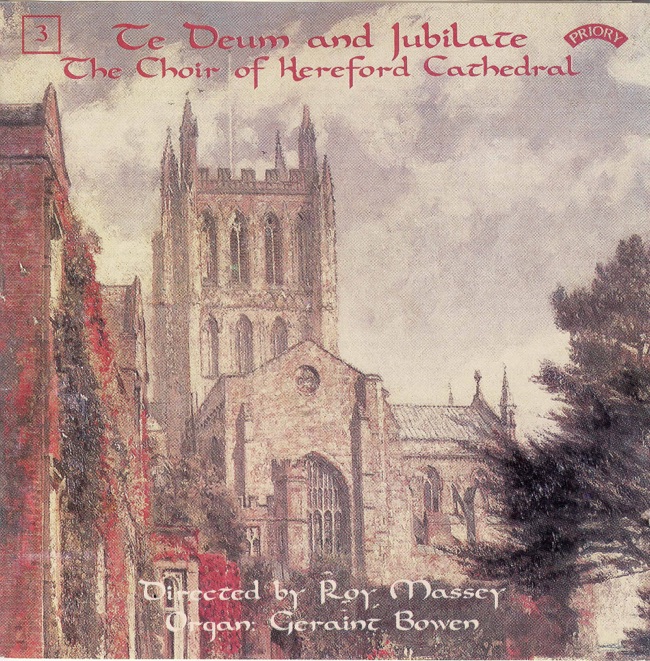 June 16, 2017
 -
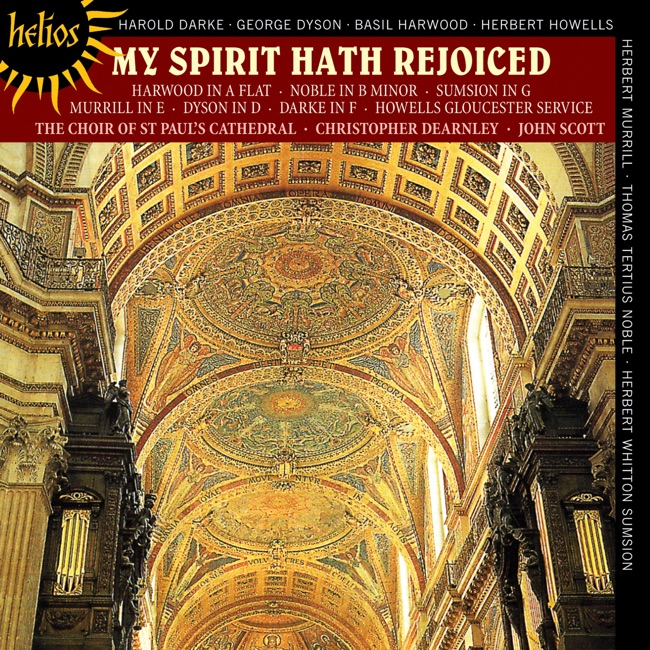 June 14, 2011
 -
 March 15, 2011
 -
 January 23, 2007
Keyboard
-
 July 5, 2019
 -
 July 8, 2016
 -
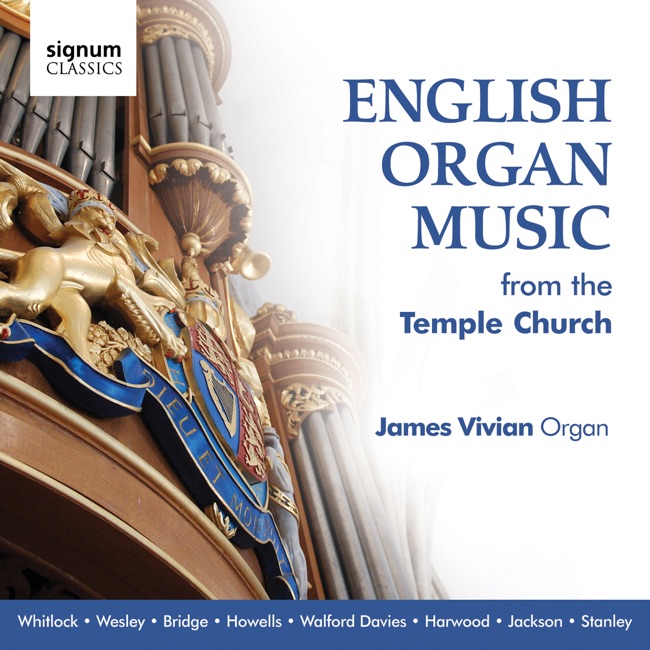 October 18, 2010
 -
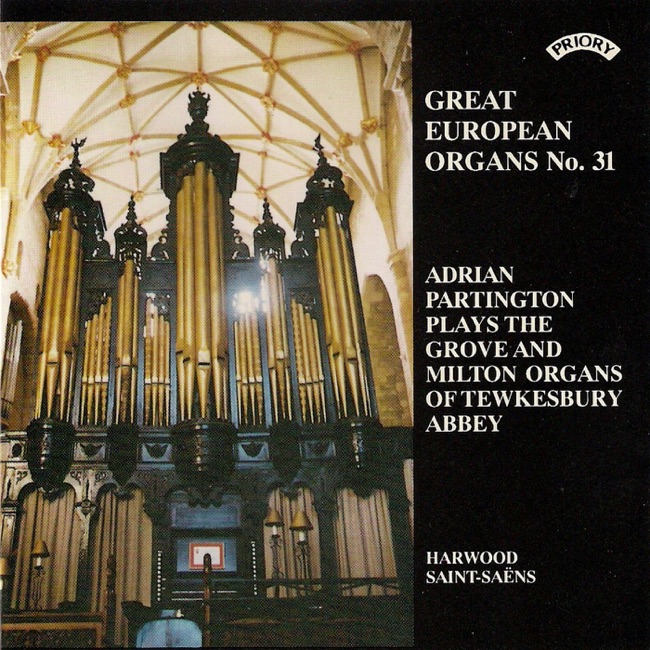 October 12, 2010
 -
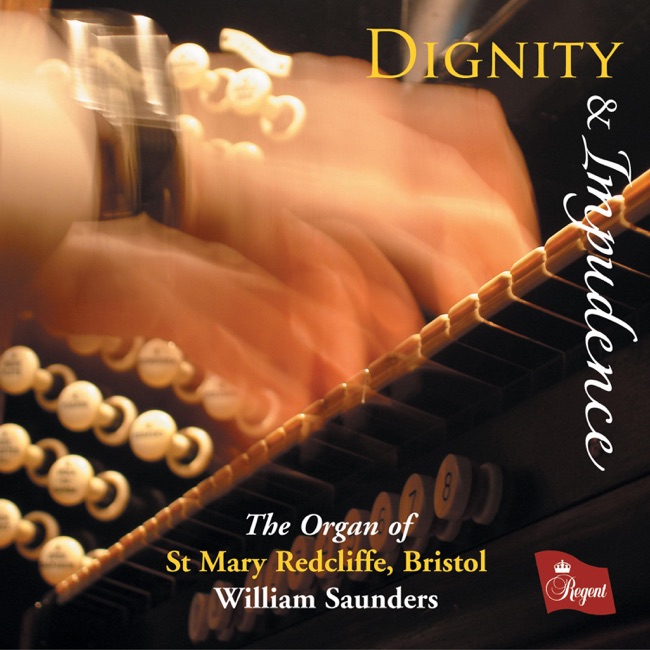 August 12, 2008
 -
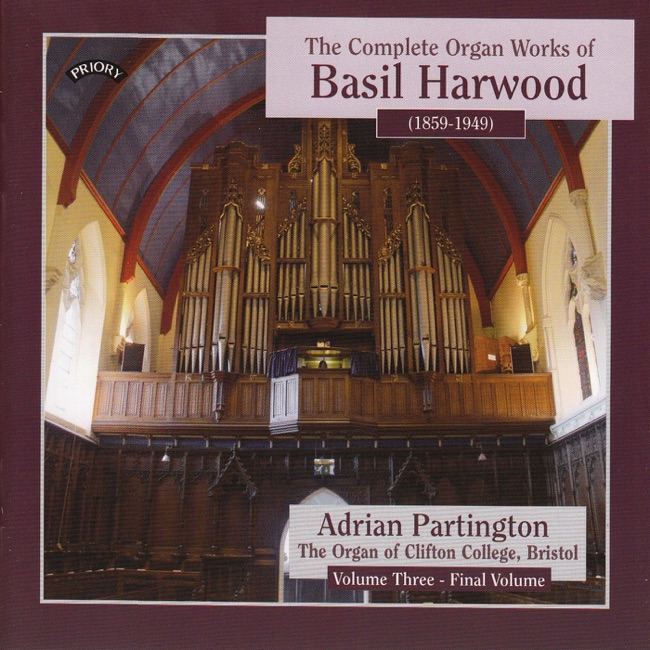 July 17, 2007
Artist Info
Role:ComposerCountry: United KingdomBirth:April 11, 1859Death:April 3, 1949Period:ModernGenre:ChoralKeyboardBasil Harwood was a British composer and organist who lived from 1859 to 1949. He was born in Woodbridge, Suffolk, England, to a family of musicians. His father, William Harwood, was an organist and music teacher, and his mother, Mary Ann, was a singer. Basil showed an early interest in music and began playing the piano at a young age. He later studied the organ with his father and became a skilled performer. Harwood attended the Royal College of Music in London, where he studied composition with Charles Villiers Stanford and organ with Walter Parratt. He was awarded several prizes for his compositions, including the prestigious Mendelssohn Scholarship in 1883. After completing his studies, Harwood worked as an organist and choirmaster at several churches in London, including St. Barnabas, Pimlico, and Christ Church, Lancaster Gate. Harwood's compositions are primarily for the organ and choral music. He wrote several works for the Anglican church, including anthems, hymns, and services. His music is characterized by its lyrical melodies, rich harmonies, and use of counterpoint. Harwood was also influenced by the music of J.S. Bach and often incorporated elements of Baroque music into his compositions. One of Harwood's most famous works is his Organ Concerto in C minor, Op. 26. The concerto was written in 1891 and premiered at the Crystal Palace in London. It is a three-movement work that showcases the virtuosity of the organist. The first movement is a dramatic and powerful Allegro, while the second movement is a lyrical Adagio. The final movement is a lively and energetic Allegro con fuoco. Harwood also wrote several other works for the organ, including his Sonata in C minor, Op. 98, and his Prelude and Fugue in G minor, Op. 23. These works demonstrate Harwood's mastery of the instrument and his ability to create complex and engaging compositions. In addition to his organ music, Harwood also wrote several choral works. One of his most famous choral works is his anthem "O how glorious is the kingdom," which is often performed at coronations and other state occasions. The anthem is a grand and majestic work that features a soaring melody and rich harmonies. Harwood's other choral works include his Te Deum in A flat, Op. 10, and his Magnificat and Nunc Dimittis in A flat, Op. 12. These works demonstrate Harwood's skill in writing for the human voice and his ability to create powerful and moving choral music. Throughout his career, Harwood was recognized as one of the leading composers and organists of his time. He was awarded several honors, including the Lambeth Doctorate of Music in 1923 and the Fellowship of the Royal College of Organists in 1924. He also served as the president of the Royal College of Organists from 1929 to 1931. Harwood's legacy continues to this day, with his music still being performed and recorded by organists and choirs around the world. His compositions are a testament to his skill as a composer and his love of music. Basil Harwood will always be remembered as one of the great composers of classical music.More....
Recent Artist Music
1
5:29
6
3:43
15
4:48
Copyright Ⓒ 2013 Davinci Finger. All rights reseved
Service Terms & Policy