


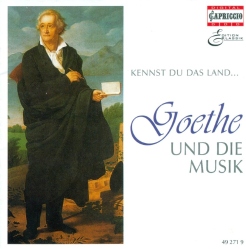
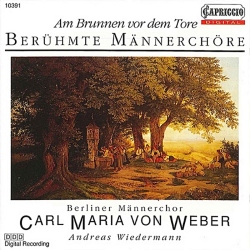
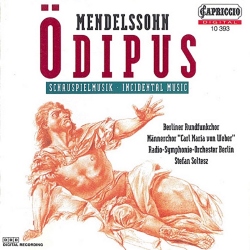
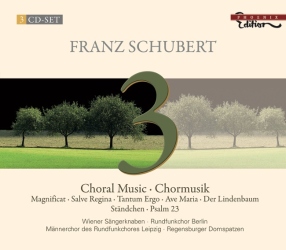
Berlin Men's Choir "Carl Maria von Weber"
Released Album
Choral
-
 March 5, 1996
 -
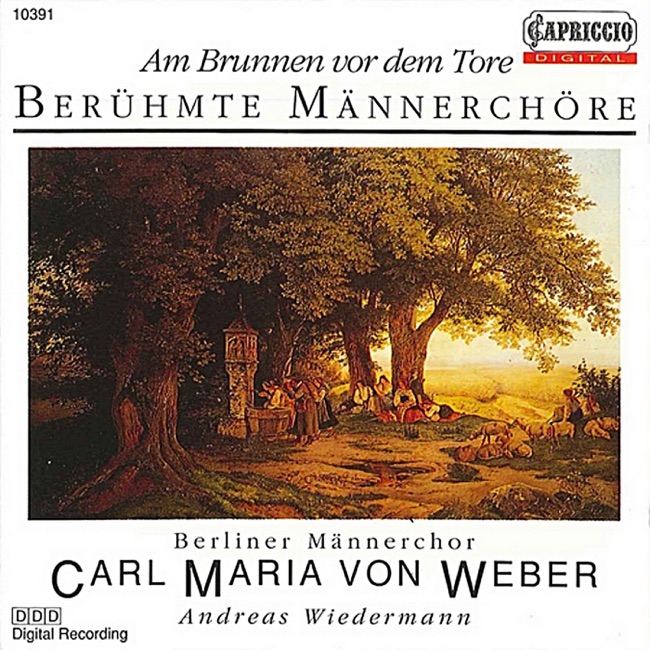 January 1, 1996
Vocal
-
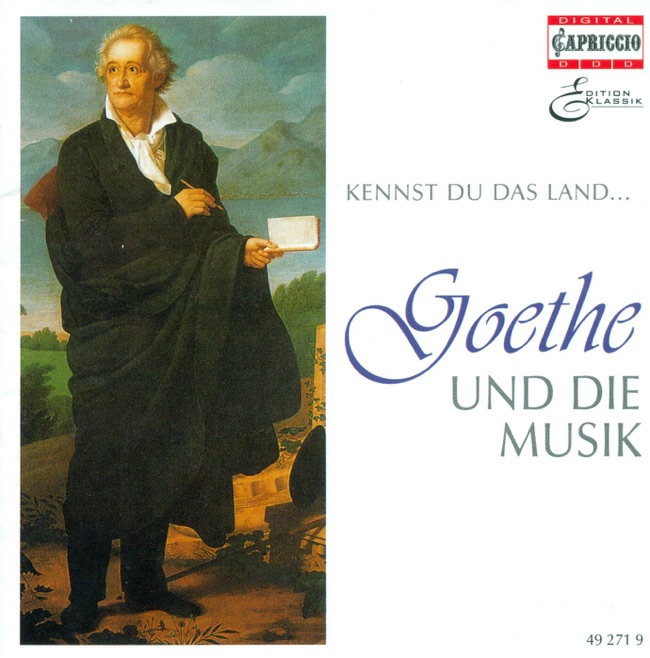 January 1, 1999
 -
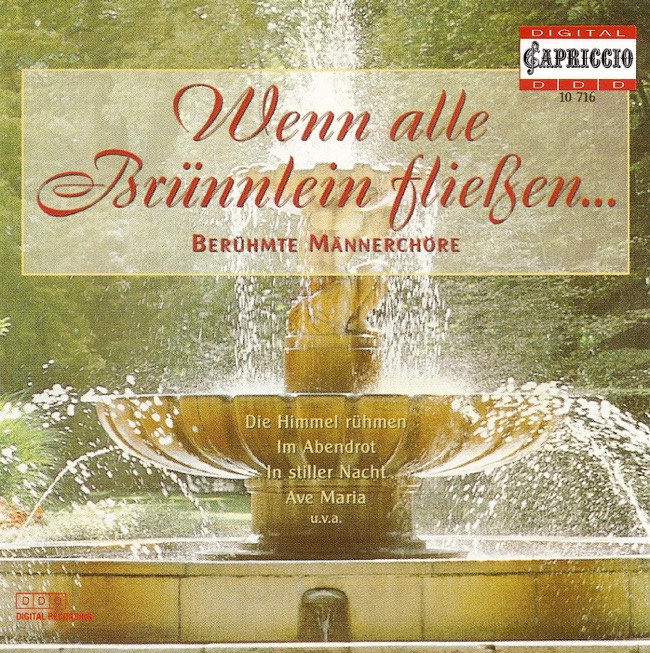 May 21, 1996
Orchestral
-
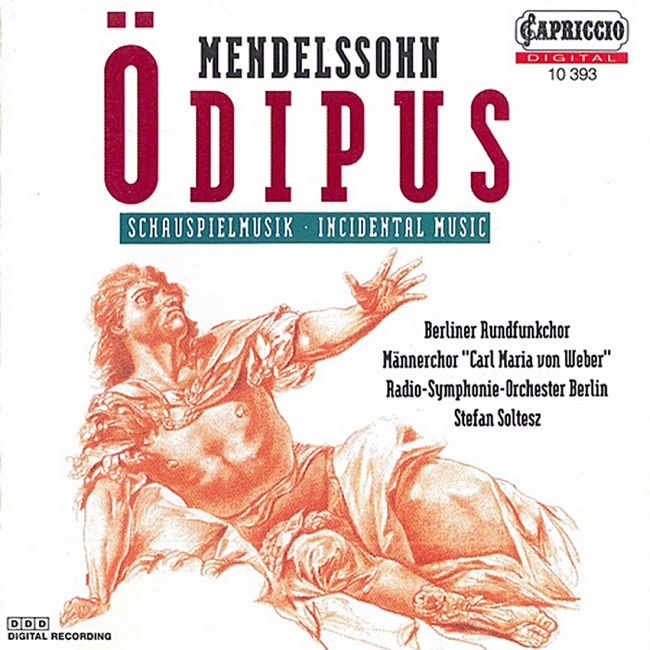 January 1, 1996
Artist Info
Role:EnsembleGenre:ChoralOrchestralVocalCarl Maria von Weber was a German composer, conductor, pianist, and critic who is best known for his contributions to the development of German opera. He was born on November 18, 1786, in Eutin, a small town in northern Germany. His father, Franz Anton von Weber, was a musician and conductor, and his mother, Genovefa Brenner, was a singer and actress. Weber showed an early interest in music and began studying piano and composition at a young age. He made his public debut as a pianist at the age of nine and began composing his own music shortly thereafter. In 1801, he enrolled at the University of Heidelberg to study law, but he continued to pursue his musical interests on the side. In 1804, Weber moved to Salzburg, Austria, where he worked as a conductor and composer for the court of Duke Maximilian Joseph. During this time, he composed several operas, including "Das Waldmädchen" and "Peter Schmoll und seine Nachbarn," which were well-received by audiences and critics alike. In 1810, Weber was appointed director of the opera in Prague, where he continued to compose and conduct. He also became involved in the political and cultural life of the city, advocating for the rights of Czech musicians and promoting the use of Czech language in opera. Weber's most famous opera, "Der Freischütz," premiered in Berlin in 1821 and was an immediate success. The opera, which tells the story of a young hunter who makes a pact with the devil to win the hand of his beloved, is considered a masterpiece of German Romanticism. It was praised for its innovative use of orchestration and its incorporation of folk music elements. Weber continued to compose and conduct throughout the 1820s, producing several more operas, including "Euryanthe" and "Oberon." He also served as the director of the Berlin Opera from 1817 to 1826, where he introduced many reforms and innovations that helped to modernize the institution. In addition to his work as a composer and conductor, Weber was also a prolific writer and critic. He wrote extensively on music theory and aesthetics, and his writings had a significant influence on the development of German music in the 19th century. Weber's health began to decline in the late 1820s, and he died of tuberculosis on June 5, 1826, at the age of 39. Despite his relatively short life, he left a lasting legacy as one of the most important figures in the development of German opera. The Berlin Men's Choir, founded in 1990, is a classical music ensemble that specializes in choral music from the Renaissance to the present day. The choir is made up of approximately 60 male singers, and it has performed in venues throughout Germany and Europe. The choir has performed several works by Carl Maria von Weber, including his "Missa Sancta No. 1" and "Missa Sancta No. 2." The choir's performances of these works have been praised for their clarity, precision, and emotional depth. In addition to its performances of classical choral music, the Berlin Men's Choir has also collaborated with contemporary composers and musicians. The choir has premiered several new works by composers such as Arvo Pärt and John Tavener, and it has worked with musicians such as the jazz pianist Uri Caine and the electronic musician Mouse on Mars. The Berlin Men's Choir has received several awards and honors for its performances and recordings.More....
Recent Artist Music

2
3:40
6
1:36


10
1:55
Copyright Ⓒ 2013 Davinci Finger. All rights reseved
Service Terms & Policy