


Yuzo Toyama
Released Album
Orchestral
-
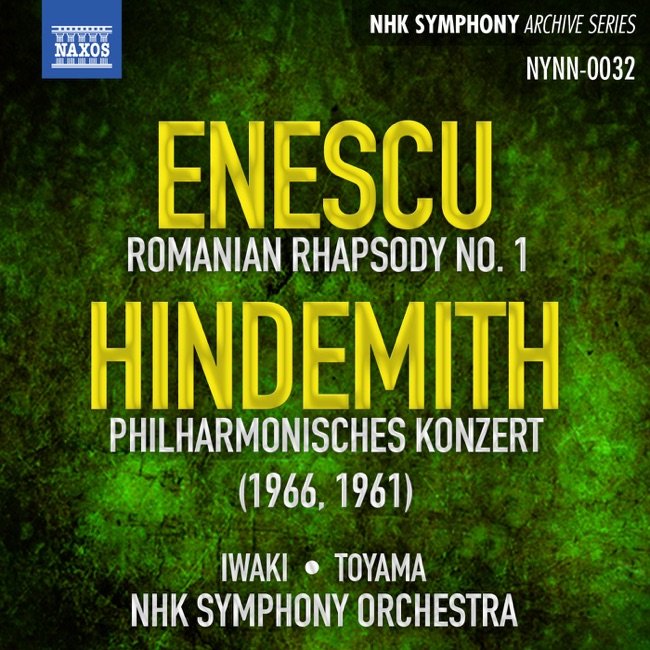 September 1, 2014
 -
-
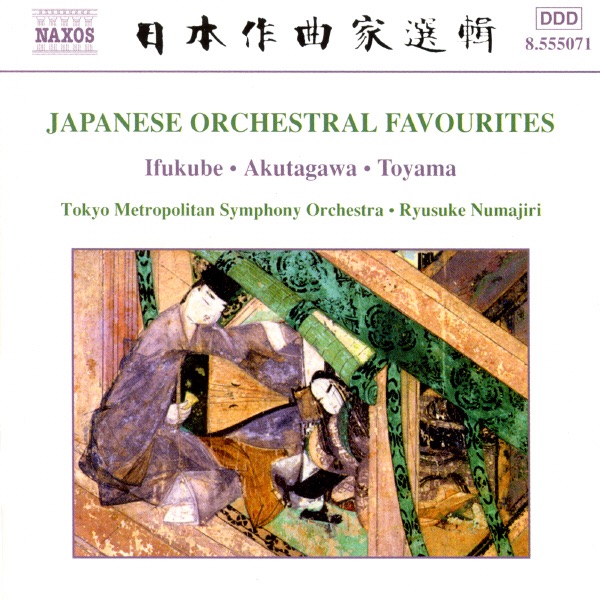 May 21, 2002
 -
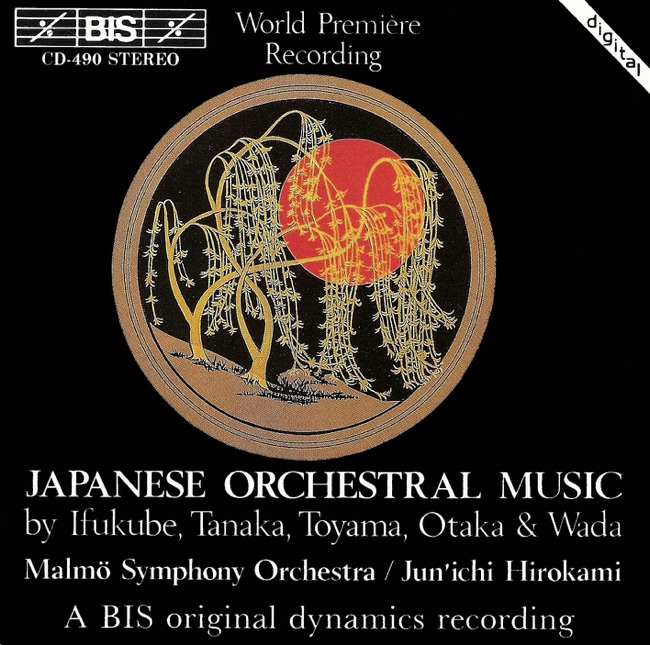 April 20, 1994
Concerto
-
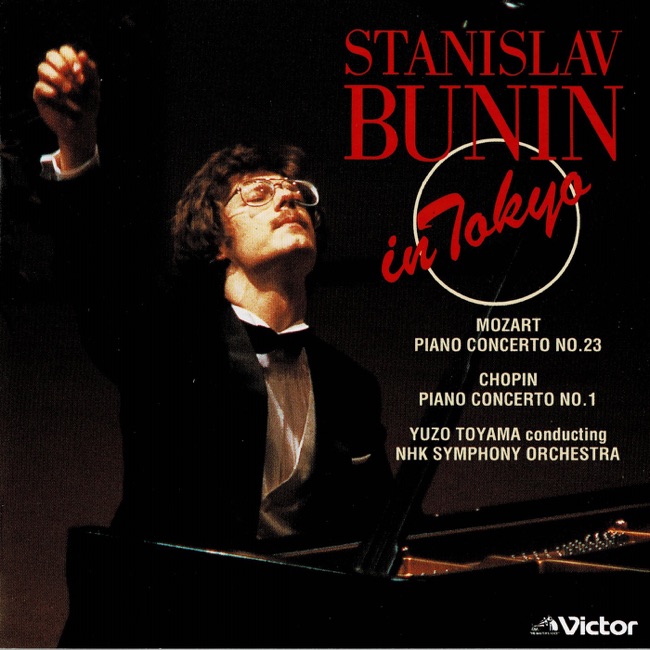 January 1, 1995
 -
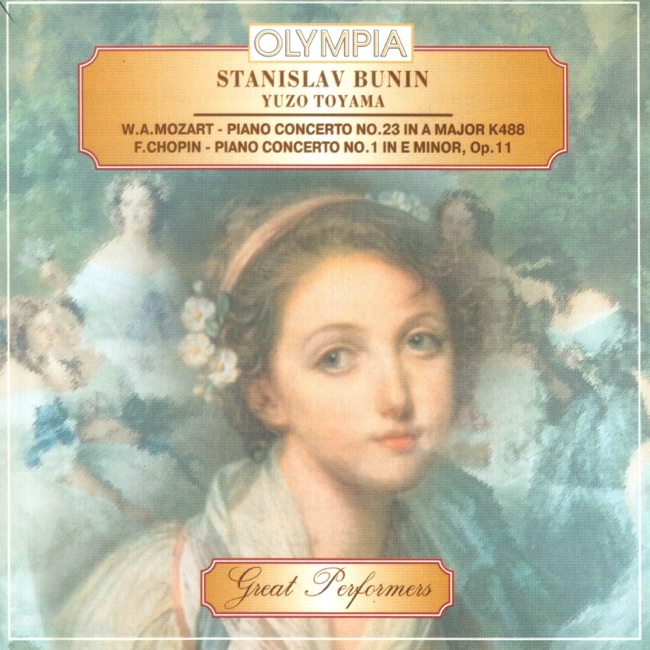 August 8, 1986
Vocal
-
 September 29, 1993
Symphony
-
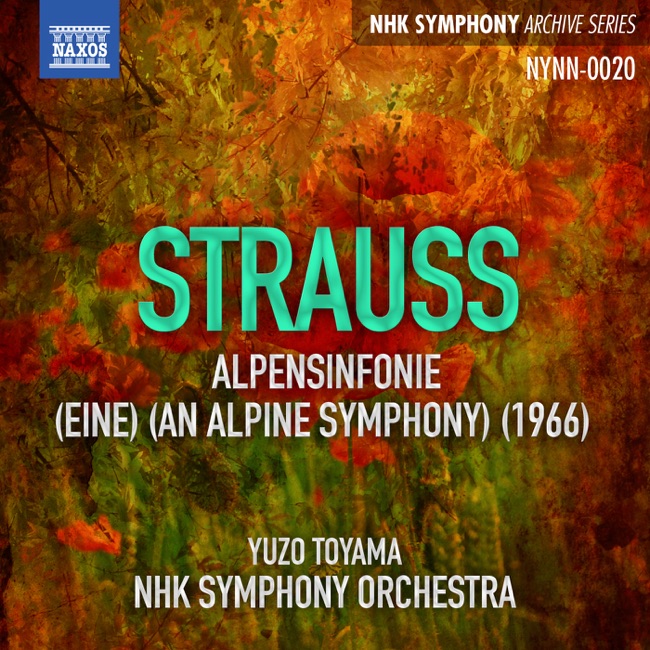 September 1, 2014
Artist Info
Role:Composer ConductorCountry: JapanBirth:1931 in Tokyo, JapanPeriod:ContemporaryModernGenre:ConcertoOrchestralYuzo Toyama was a Japanese composer who was born on March 28, 1931, in Tokyo, Japan. He was the son of a composer and conductor, and his father's influence played a significant role in his musical development. Toyama began studying music at a young age and showed a natural talent for composition. He went on to study at the Tokyo National University of Fine Arts and Music, where he received a degree in composition. Toyama's early works were heavily influenced by Western classical music, particularly the works of composers such as Beethoven and Brahms. However, he also drew inspiration from traditional Japanese music and incorporated elements of it into his compositions. This fusion of Western and Japanese music became a hallmark of Toyama's style. One of Toyama's most significant early works was his Symphony No. 1, which he composed in 1957. The symphony was well-received and helped establish Toyama as a rising star in the Japanese classical music scene. He went on to compose several more symphonies, including Symphony No. 2, which was commissioned by the NHK Symphony Orchestra in 1961. In addition to his symphonies, Toyama also composed a number of other works for orchestra, including concertos for various instruments. One of his most famous works in this genre is his Concerto for Shakuhachi and Orchestra, which he composed in 1971. The shakuhachi is a traditional Japanese bamboo flute, and Toyama's concerto was one of the first works to feature the instrument in a Western classical music context. Toyama also composed a significant amount of chamber music, including string quartets, piano trios, and sonatas for various instruments. One of his most famous chamber works is his String Quartet No. 2, which he composed in 1963. The quartet is notable for its use of traditional Japanese scales and rhythms, which Toyama incorporated into the Western classical music form. Throughout his career, Toyama was also active as a conductor and educator. He served as the conductor of the Tokyo Symphony Orchestra from 1971 to 1974 and was a professor of composition at the Tokyo National University of Fine Arts and Music from 1974 to 1996. He also served as the president of the Japan Federation of Composers from 1991 to 1995. In addition to his work as a composer, Toyama was also a prominent advocate for the promotion of Japanese classical music both in Japan and abroad. He was a frequent guest lecturer and performer at universities and music festivals around the world and worked to establish exchange programs between Japanese and foreign musicians. Toyama's contributions to the world of classical music were recognized with numerous awards and honors throughout his career. He was awarded the Japan Art Academy Prize in 1985 and the Order of Culture, one of Japan's highest honors, in 1998. He was also a member of the Japan Art Academy and the Royal Swedish Academy of Music. Yuzo Toyama passed away on June 1, 2012, at the age of 81. His legacy as a composer and advocate for Japanese classical music continues to be celebrated by musicians and music lovers around the world.More....
Recent Artist Music
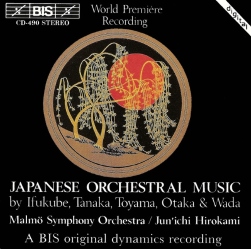
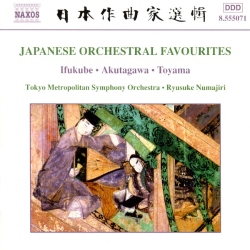
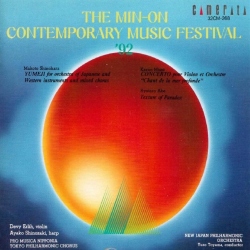
6
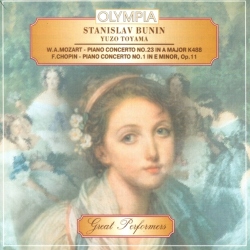
10:24
7
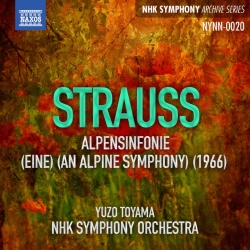
46:59
8
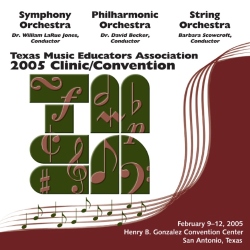
7:28
11
10:24
12
24:54
14
Michio Mamiya
Emburi: I. —
8:49
Copyright Ⓒ 2013 Davinci Finger. All rights reseved
Service Terms & Policy