


Takashi Yoshimatsu
Released Album
Chamber
-
 July 16, 2021
 -
 July 20, 2019
 -
 June 15, 2018
 -
-
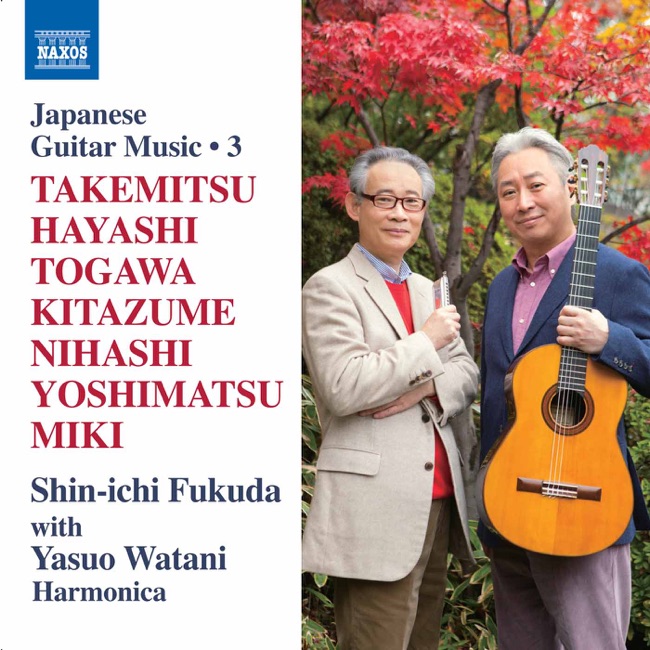 November 11, 2016
 -
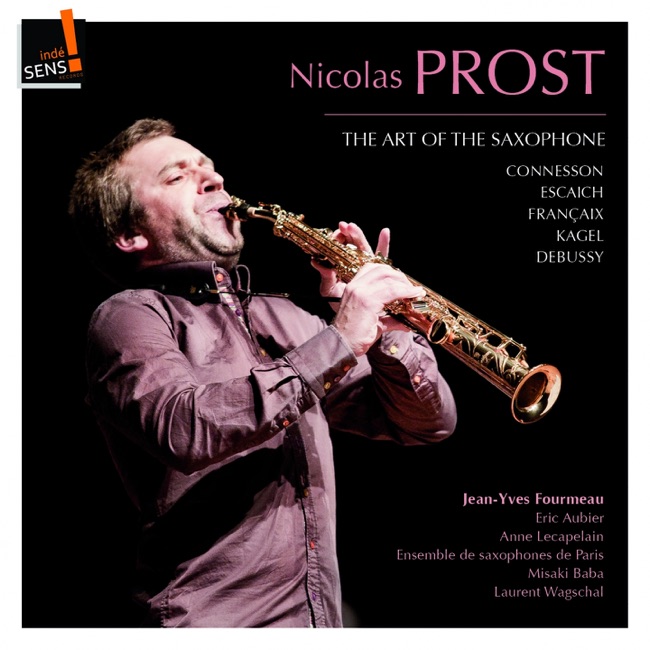 September 9, 2014
Concerto
-
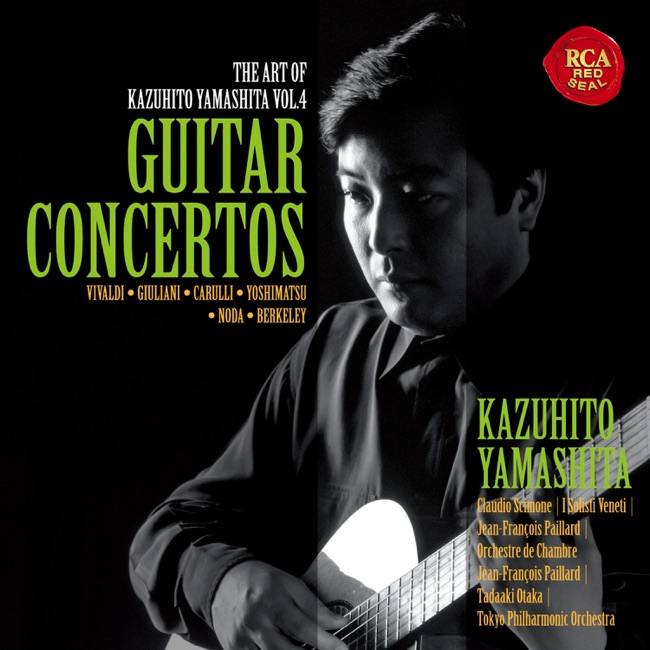 February 2, 2022
 -
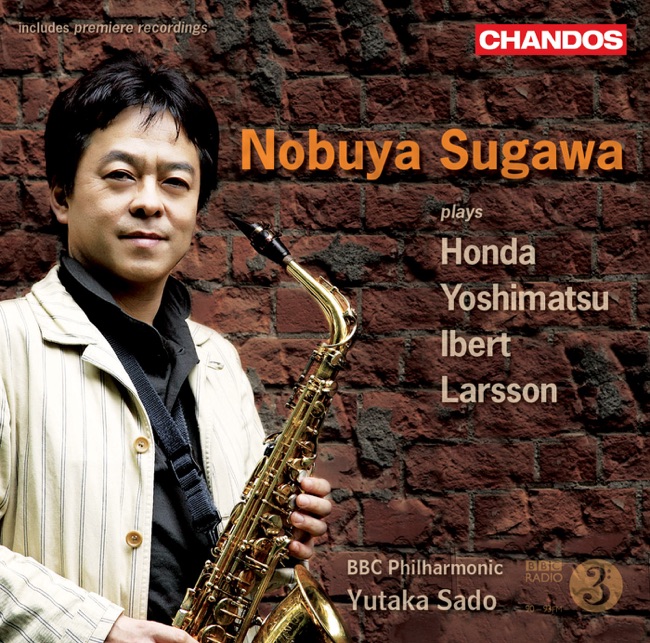
-
-
 October 20, 1998
 -
 July 10, 1996
Orchestral
-
-
-
 May 21, 2002
Symphony
-
 December 21, 2022
 -
-
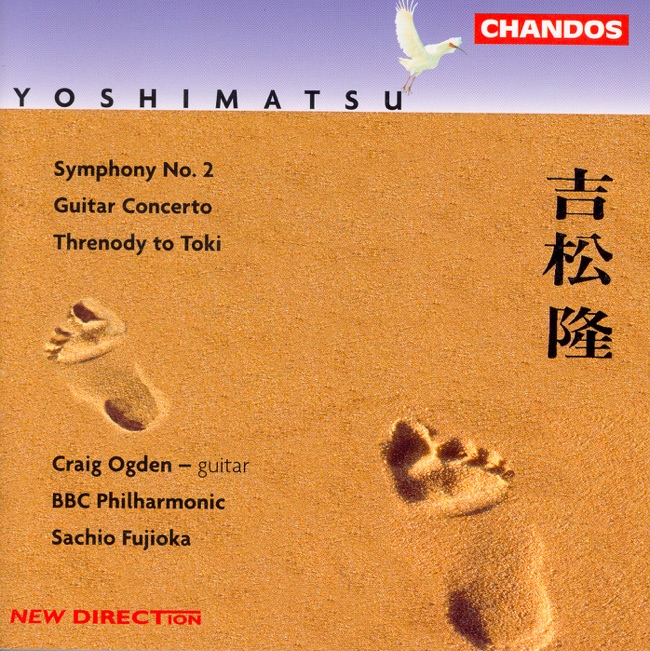
-
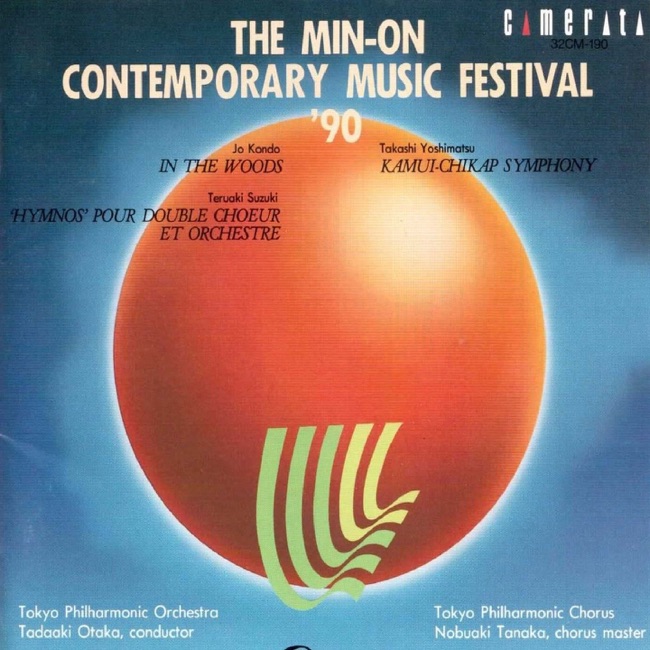 February 18, 1991
Artist Info
Role:Composer PerformerCountry: JapanBirth:March 18, 1953 in Tokyo, JapanGenre:ChamberConcertoOrchestralSymphonyTakashi Yoshimatsu is a Japanese composer who was born on March 18, 1953, in Tokyo, Japan. He grew up in a family that was not particularly musical, but he was drawn to music from a young age. He began playing the piano at the age of four and started composing his own music when he was just six years old. Yoshimatsu's early musical education was primarily focused on the piano, but he also studied composition and orchestration. He attended the Tokyo National University of Fine Arts and Music, where he studied under the composer Tomojiro Ikenouchi. After graduating, he worked as a freelance composer and arranger, writing music for a variety of media, including film, television, and advertising. In the early 1980s, Yoshimatsu began to focus more on classical composition, and he quickly gained recognition for his unique style. His music is characterized by a blend of Western classical music and traditional Japanese music, as well as elements of jazz and rock. He has described his style as "neo-romantic," and his music often features lush harmonies, intricate rhythms, and colorful orchestration. One of Yoshimatsu's most famous works is his Symphony No. 4, "Atom Hearts Club Suite." The piece was inspired by the Japanese science fiction novel "Atomu no Haha" (Atom's Mother) by Sakyo Komatsu, and it tells the story of a group of teenagers who form a club to explore the mysteries of the universe. The symphony is divided into five movements, each of which represents a different aspect of the club's adventures. The piece has been performed by orchestras around the world and has been praised for its imaginative storytelling and inventive orchestration. Another notable work by Yoshimatsu is his Piano Concerto No. 2, "Memo Flora." The concerto was written for the pianist Noriko Ogawa, who premiered the piece in 1994. The concerto is divided into three movements, each of which is named after a flower. The first movement, "Lily," is characterized by its delicate, lyrical melodies, while the second movement, "Rose," is more dramatic and intense. The final movement, "Sunflower," is a lively and energetic dance that showcases the virtuosity of the soloist. Yoshimatsu has also written a number of chamber works, including several string quartets and a trio for flute, clarinet, and piano. His chamber music is often more introspective and contemplative than his orchestral works, and it showcases his skill at creating intricate textures and subtle harmonies. In addition to his work as a composer, Yoshimatsu is also an accomplished painter. He often creates paintings that are inspired by his music, and he has exhibited his artwork in galleries around the world. Throughout his career, Yoshimatsu has received numerous awards and honors for his music. In 1994, he was awarded the Otaka Prize, one of the most prestigious awards for classical music in Japan. He has also been awarded the Japan Record Academy Award, the Suntory Music Award, and the Japan Arts Festival Award. Today, Yoshimatsu is considered one of the most important composers of contemporary classical music in Japan. His music has been performed by some of the world's leading orchestras and soloists, and his unique blend of Western and Japanese musical traditions has earned him a devoted following among music lovers around the world.More....
Recent Artist Music
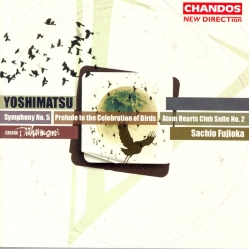
4
2:19
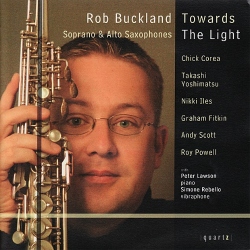
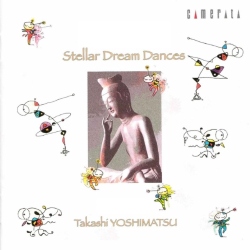
7
2:19
8
2:20
9
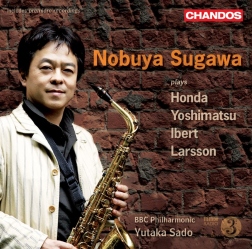
Saxophone Concerto "Albireo Mode", Op. 93
1. Topaz. Andante tranquillo - Più mosso - Tempo 1 - Moderato - Meno mosso - Tempo 1 - Amabile - Me
11:41
10
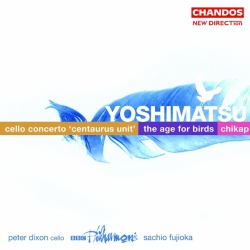
Cello Concerto "Centaurus Unite", Op. 91
I. Moderato - Allegro - Andante - Allegro molto - Allegro scherzando/Waltz - Andante - Adagio (Hymn
15:7

Copyright Ⓒ 2013 Davinci Finger. All rights reseved
Service Terms & Policy