


Makoto Shinohara
Released Album
Chamber
-
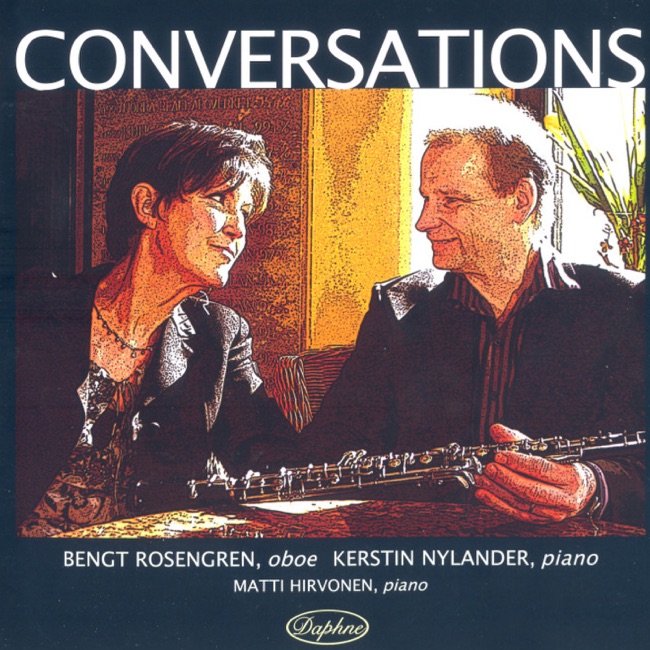 April 14, 2009
 -
 May 13, 2008
 -
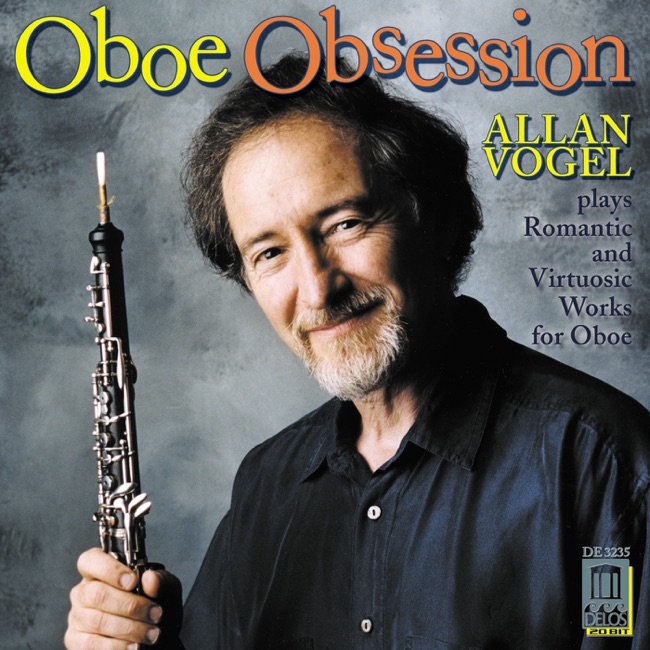 May 30, 2000
 -
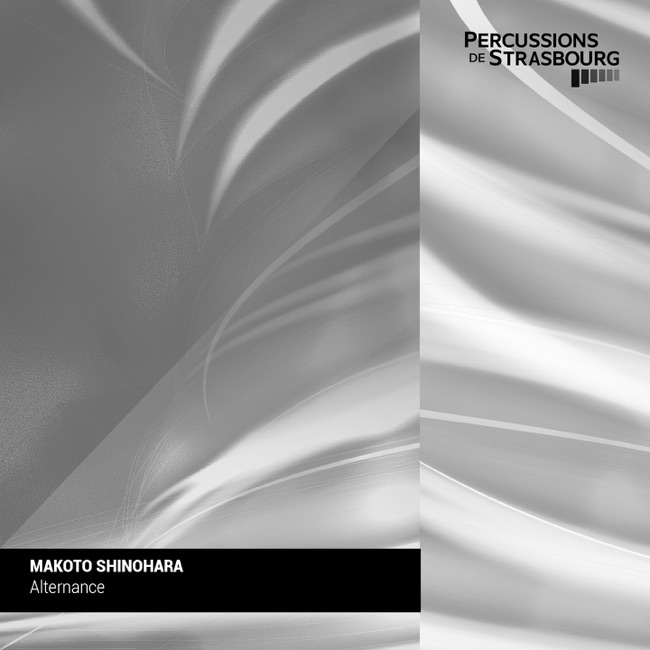 January 1, 1967
Electronic/Computer
-
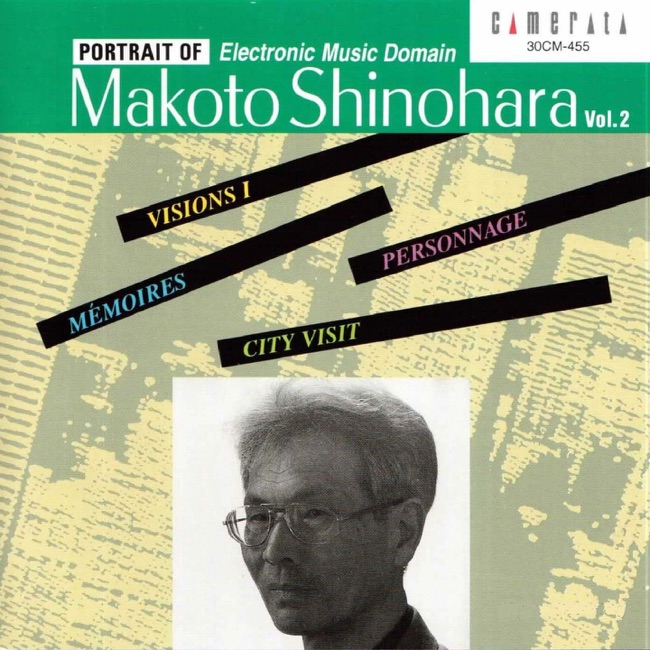 September 11, 2012
Choral
-
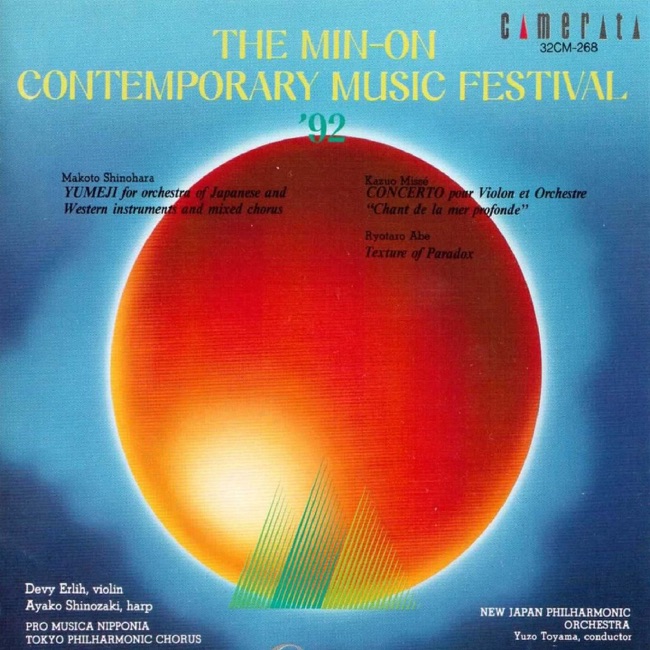 December 28, 1995
Artist Info
Role:Composer PerformerBirth:December 10, 1931 in Osaka, JapanPeriod:ContemporaryMakoto Shinohara was a Japanese composer who was born on December 22, 1931, in Tokyo, Japan. He was the son of a composer and a pianist, and his parents encouraged him to pursue music from a young age. Shinohara began studying piano at the age of four and later learned to play the violin and viola. Shinohara attended the Tokyo National University of Fine Arts and Music, where he studied composition with Tomojiro Ikenouchi and Akio Yashiro. He graduated in 1955 and went on to study at the Hochschule für Musik in Berlin, Germany, where he studied with Boris Blacher. Shinohara's early works were influenced by the European avant-garde, particularly the music of Pierre Boulez and Karlheinz Stockhausen. However, he soon began to incorporate elements of traditional Japanese music into his compositions, creating a unique style that blended Western and Eastern musical traditions. One of Shinohara's most famous works is his Symphony No. 1, which he composed in 1961. The symphony is notable for its use of traditional Japanese instruments, including the shakuhachi and koto, as well as its incorporation of Japanese folk melodies. The work was well-received and helped establish Shinohara as one of Japan's leading composers. In addition to his symphonies, Shinohara composed a number of chamber works, including string quartets, piano trios, and solo pieces for various instruments. He also wrote several operas, including "The Death of Buddha" and "The Woman of Andros." Shinohara was known for his experimental approach to composition, often incorporating unconventional techniques and sounds into his works. For example, his piece "Sonic City" features the sounds of traffic and other urban noises, while his "Concerto for Orchestra" includes a section where the musicians are instructed to play their instruments in unconventional ways. Despite his innovative approach to composition, Shinohara remained committed to preserving traditional Japanese music. He served as the director of the Tokyo Gakuso Ensemble, a group dedicated to performing traditional Japanese music, and often incorporated elements of this music into his own compositions. Shinohara received numerous awards and honors throughout his career, including the Japan Art Academy Prize, the Suntory Music Award, and the Order of the Rising Sun. He continued to compose and teach until his death on May 8, 2016, at the age of 84. Today, Shinohara is remembered as one of Japan's most important composers, known for his innovative approach to composition and his commitment to preserving traditional Japanese music. His works continue to be performed and studied by musicians and music lovers around the world.More....



Copyright Ⓒ 2013 Davinci Finger. All rights reseved
Service Terms & Policy