


Gottfried von Einem
Released Album
Opera
-
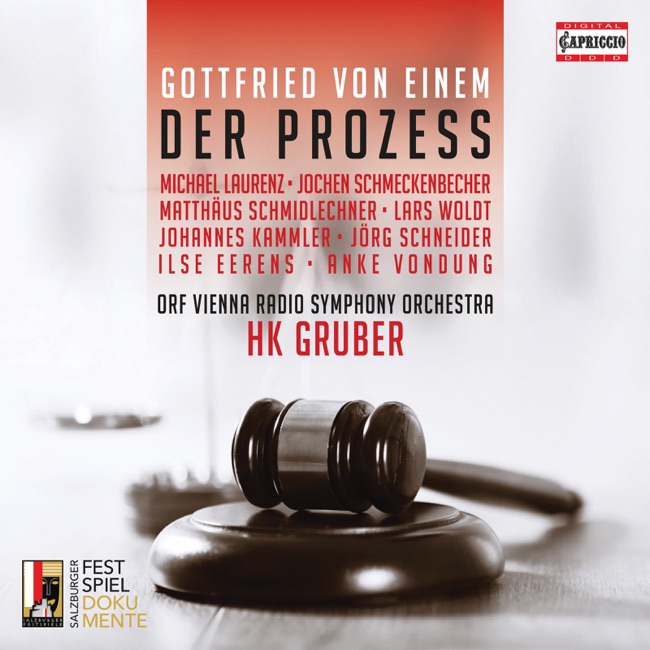 May 3, 2019
 -
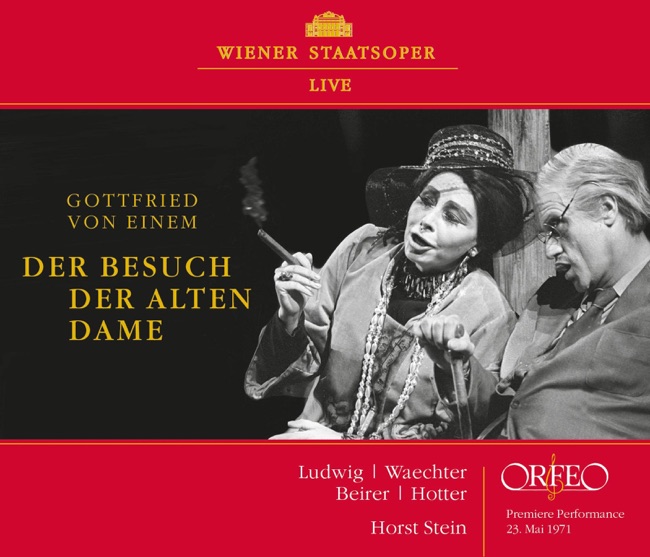 March 16, 2018
 -
 February 26, 2008
 -
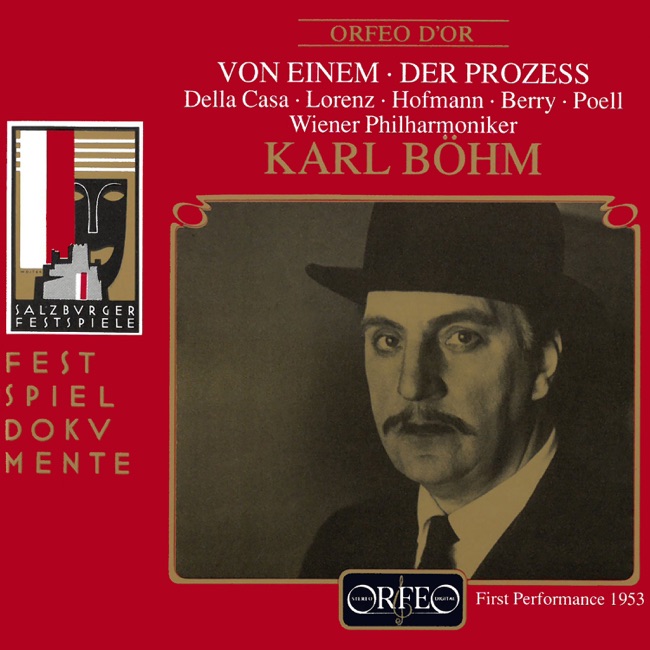 July 4, 1995
 -
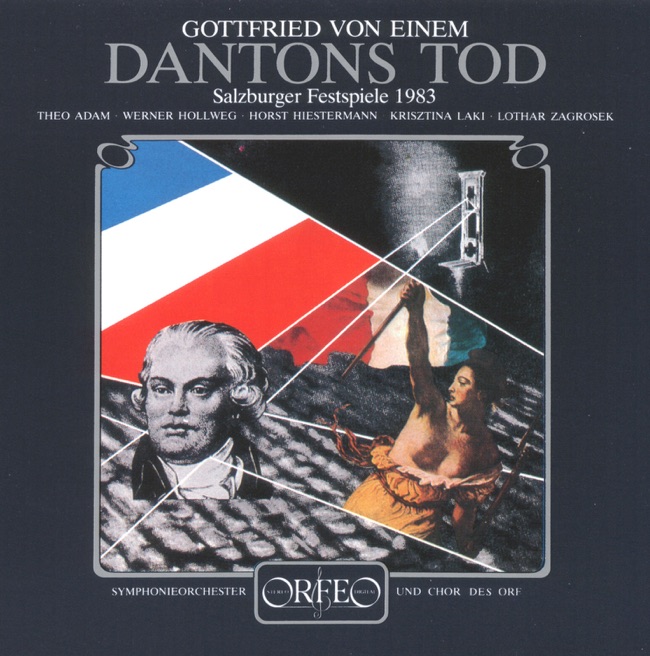 May 23, 1995
Orchestral
-
 November 25, 2009
Concerto
-
 September 2, 2014
Chamber
-
 April 17, 2008
 -
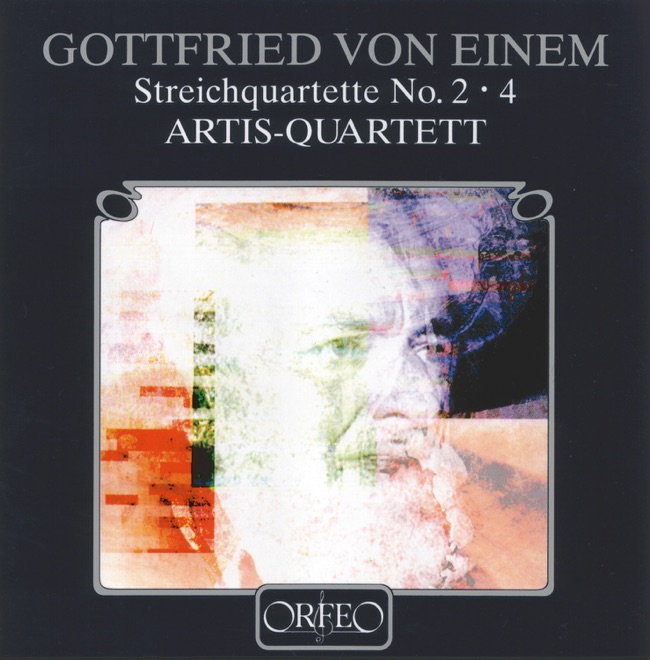 May 27, 2003
 -
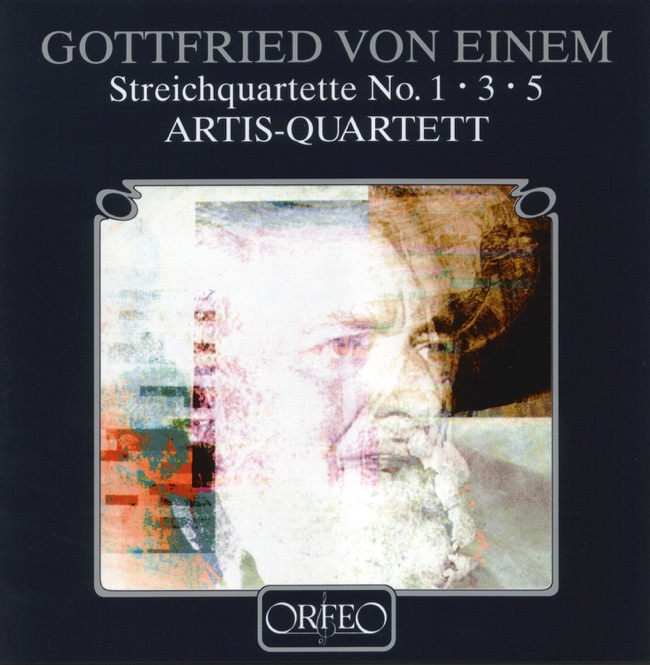 May 27, 2003
 -
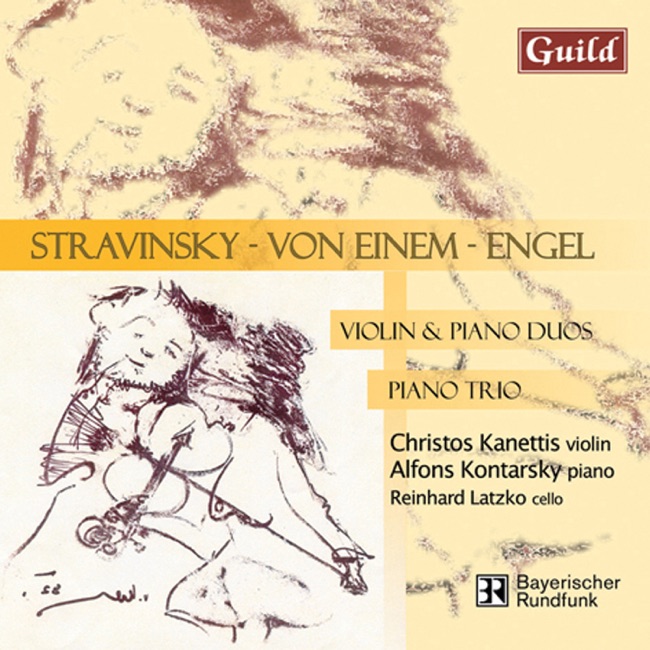
-
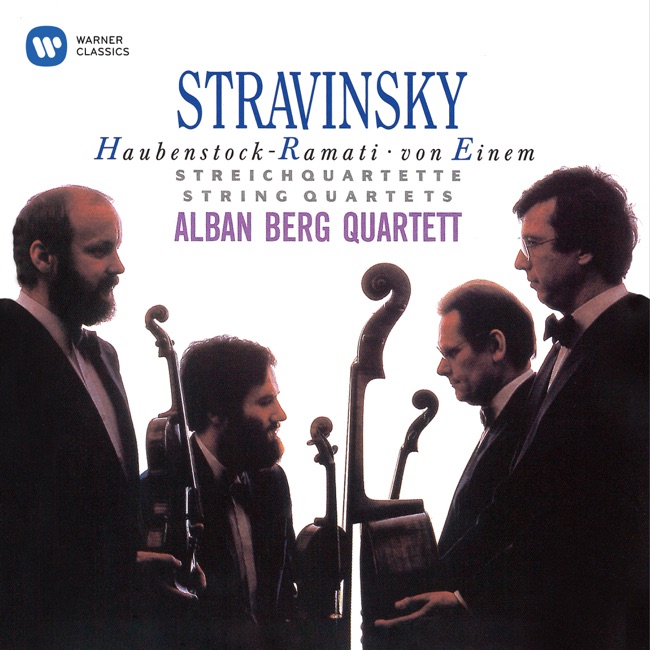 January 1, 1992
Artist Info
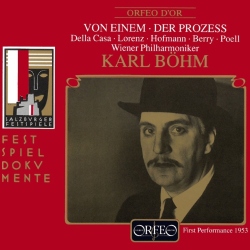
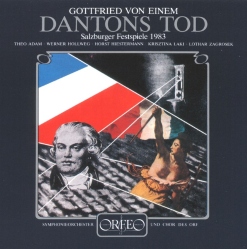
Role:ComposerCountry: AustriaBirth:January 24, 1918 in Berne, SwitzerlandDeath:July 12, 1996 in Oberdürnbach, AustriaPeriod:ContemporaryGenre:ChamberOperaVocalGottfried von Einem was a prominent Austrian composer of the 20th century, known for his unique style that blended traditional tonality with modernist techniques. Born on January 24, 1918, in Bern, Switzerland, Einem was the son of a diplomat and spent his childhood traveling around Europe. He showed an early interest in music and began studying piano and composition at a young age. In 1935, Einem enrolled at the Vienna Music Academy, where he studied with Joseph Marx and Karl Weigl. He also attended the Salzburg Mozarteum, where he studied with Clemens Krauss and Bruno Walter. During this time, Einem became interested in the music of Arnold Schoenberg and the Second Viennese School, which would later influence his own compositions. Einem's career as a composer began in earnest in the 1940s, when he began to gain recognition for his works. His breakthrough came in 1943 with the premiere of his opera "Dantons Tod" (Danton's Death), based on the play by Georg Büchner. The opera was a critical and commercial success, and established Einem as one of the leading composers of his generation. Throughout the 1940s and 1950s, Einem continued to compose operas, ballets, and orchestral works. His music was characterized by its dramatic intensity, rhythmic complexity, and use of dissonance. He was also known for his ability to blend different musical styles and traditions, incorporating elements of jazz, folk music, and popular music into his compositions. One of Einem's most famous works is his opera "Der Prozess" (The Trial), based on the novel by Franz Kafka. The opera premiered in 1953 and was an immediate success, with critics praising its innovative use of electronic music and its powerful portrayal of Kafka's surreal world. The opera has since become a staple of the modern opera repertoire and is considered one of Einem's greatest achievements. Another notable work by Einem is his ballet "Medea," which premiered in 1957. The ballet is based on the Greek myth of Medea, and features a score that blends classical and modernist elements. The ballet was a critical success and helped to establish Einem as a leading composer of ballet music. In addition to his work as a composer, Einem was also a respected teacher and mentor. He taught at the Salzburg Mozarteum and the Vienna Music Academy, and his students included such notable composers as Friedrich Cerha and Kurt Schwertsik. Einem continued to compose throughout the 1960s and 1970s, but his style began to evolve as he became more interested in serialism and other avant-garde techniques. His later works, such as the opera "Kabale und Liebe" (Intrigue and Love) and the orchestral work "Concerto for Orchestra," are characterized by their complex structures and use of atonality. Despite his success as a composer, Einem was not without controversy. He was criticized by some for his association with the Nazi regime during World War II, and his use of electronic music was seen by some as a betrayal of traditional classical music. However, Einem remained committed to his artistic vision and continued to push the boundaries of classical music throughout his career. Gottfried von Einem died on July 12, 1996, in Oberdürnbach, Austria. He left behind a legacy of innovative and influential music that continues to inspire composers and musicians to this day.More....
Recent Artist Music
1
8:39
4

1:27
7
5:41


Copyright Ⓒ 2013 Davinci Finger. All rights reseved
Service Terms & Policy