


Alonso de Mudarra
Released Album
Chamber
-
 March 30, 2023
 -
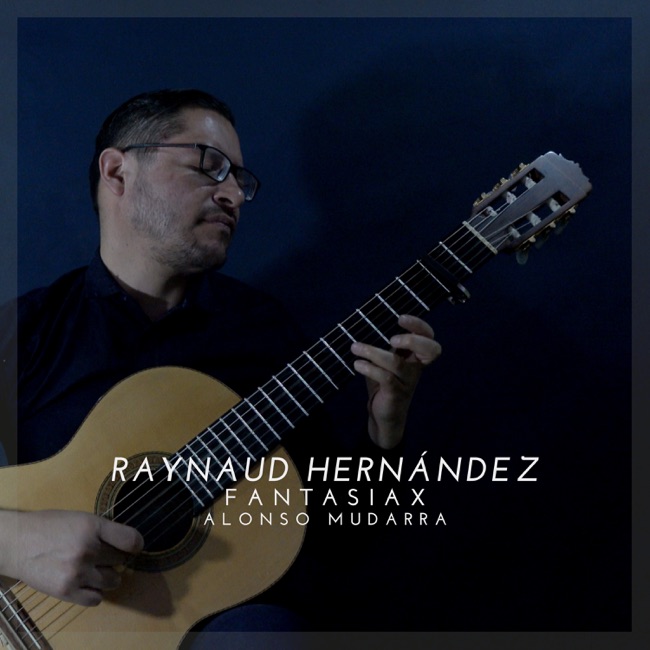 February 17, 2023
 -
 January 12, 2023
 -
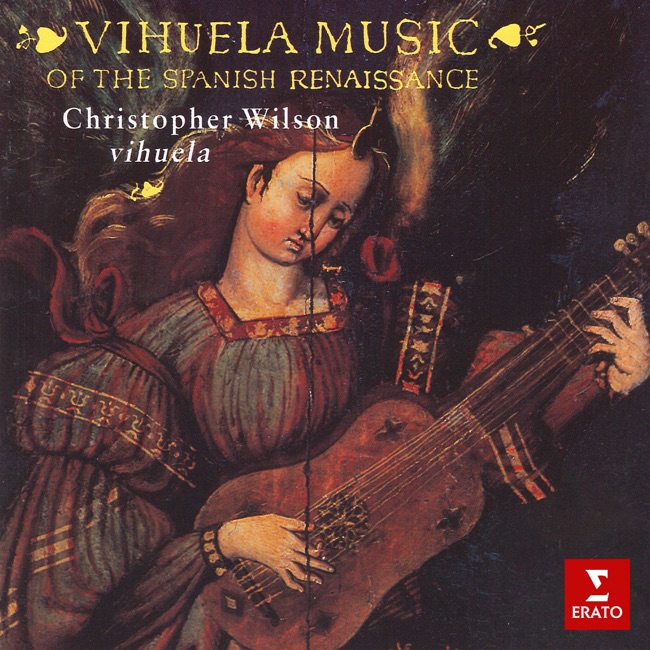 August 6, 2021
 -
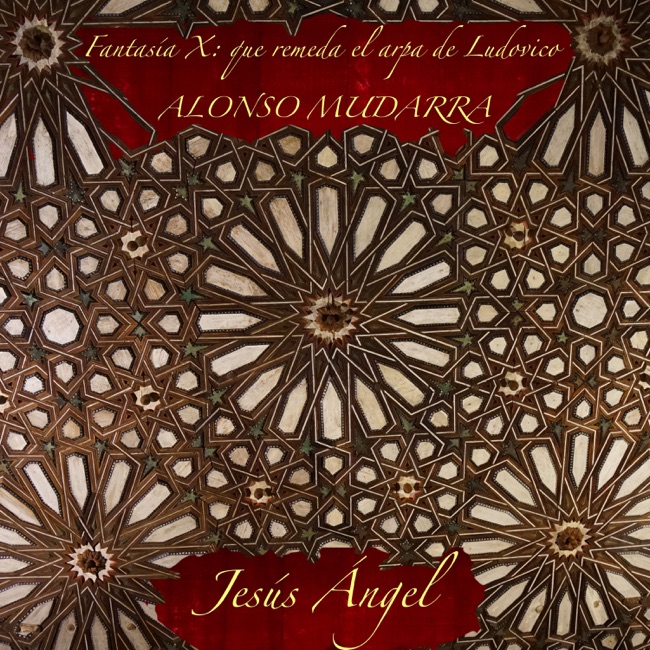 June 15, 2021
 -
 March 5, 2021
Miscellaneous
-
 January 2, 2012
Vocal
-
 April 9, 2022
 -
 August 25, 2009
 -
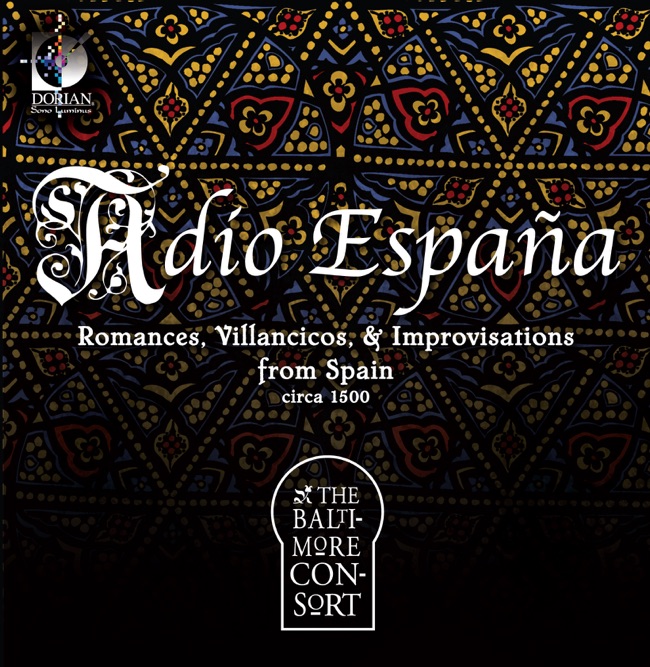
-
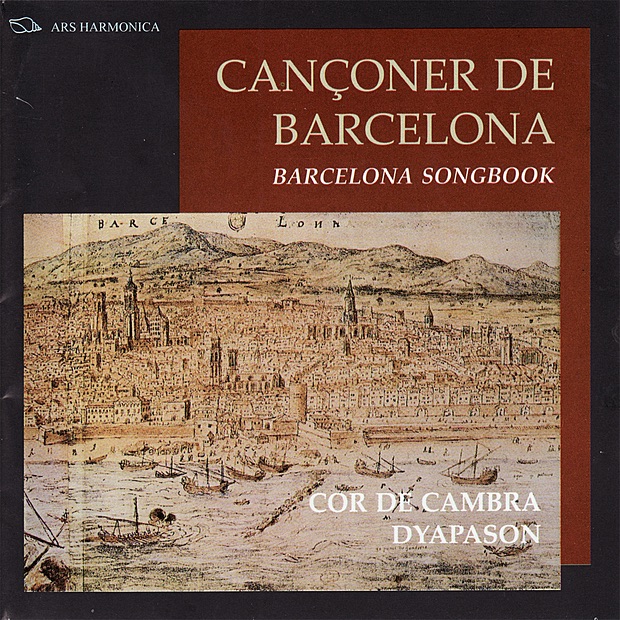 June 17, 2008
 -
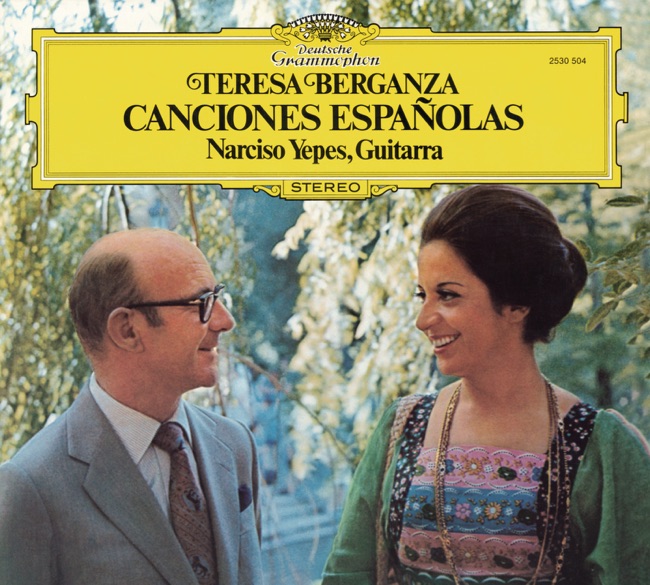 August 14, 2007
 -
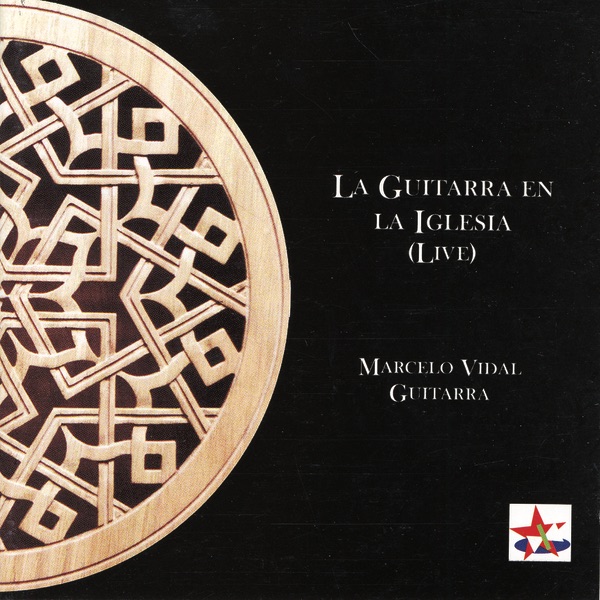 August 23, 2005
Artist Info
Role:ComposerCountry: SpainBirth:ca. 1510Death:April 1, 1580 in Seville, SpainPeriod:RenaissanceGenre:ChamberVocalAlonso de Mudarra was a Spanish composer and vihuelist who lived during the Renaissance period. He was born in Guadalajara, Spain, in 1510, and little is known about his early life and education. However, it is believed that he received his musical training in Seville, which was a major center of music and culture during the 16th century. Mudarra was a skilled musician and composer, and he is best known for his works for the vihuela, a plucked string instrument that was popular in Spain during the Renaissance. He was one of the most important composers of vihuela music, and his works are still performed and studied by musicians today. Mudarra's most famous work is his Tres libros de música en cifra para vihuela, which was published in 1546. This collection of music includes pieces for solo vihuela, as well as songs with vihuela accompaniment. The music in this collection is notable for its complexity and sophistication, and it showcases Mudarra's skill as a composer and arranger. In addition to his work as a composer, Mudarra was also a respected vihuelist and performer. He served as a court musician for the Duke of Arcos, and he was also a member of the household of the Duke of Maqueda. Mudarra's reputation as a musician and composer was such that he was invited to perform for King Philip II of Spain, who was a patron of the arts. Mudarra's music is characterized by its intricate harmonies and rhythms, as well as its use of counterpoint and polyphony. His works often feature complex chord progressions and unusual harmonies, which were innovative for their time. Mudarra was also known for his use of different tuning systems, which allowed him to create new and unique sounds on the vihuela. One of Mudarra's most famous pieces is his Fantasia X, which is a complex and challenging work for solo vihuela. This piece is notable for its use of unusual harmonies and rhythms, as well as its intricate fingerpicking patterns. It is considered one of the most difficult pieces in the vihuela repertoire, and it is still performed by virtuoso players today. Another notable work by Mudarra is his Tiento, which is a short piece for solo vihuela. This piece is notable for its use of counterpoint and its complex harmonies, which create a rich and intricate sound. The Tiento is a popular piece among vihuela players, and it is often used as a test of skill and technique. Mudarra's music was highly influential during his lifetime, and it had a lasting impact on the development of music in Spain and beyond. His use of complex harmonies and rhythms was innovative for its time, and it paved the way for later composers to explore new and unusual sounds. Mudarra's music also helped to establish the vihuela as a serious instrument for classical music, and it inspired many later composers to write for the instrument. Despite his importance as a composer and musician, Mudarra's life and work are not well-documented. Little is known about his personal life, and there are few surviving records of his performances or compositions. However, his music has endured, and it continues to be studied and performed by musicians today. In conclusion, Alonso de Mudarra was a highly skilled composer and vihuelist who made significant contributions to the development of classical music during the Renaissance period. His music was innovative and sophisticated, and it helped to establish the vihuela as a serious instrument for classical music.More....
Recent Artist Music
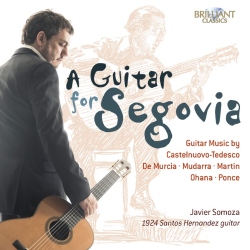
3
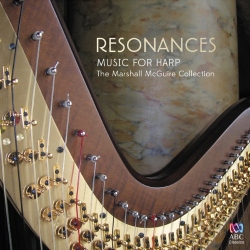
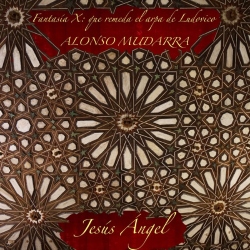
Fantasia que contrahaze the harp in the manner of Luduvico
Fantasia que contrahaze la harpa en la manera de Ludovico
2:11
4
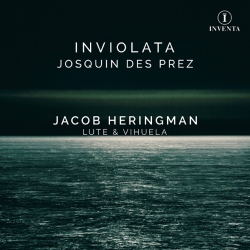
Gloss on the cum sancto spiritu of the missa de beata virgine de Josquin in 7th tone for vihuela
Missa de Beata Virgine: Cum sancto spiritu (glosa)
2:57
5
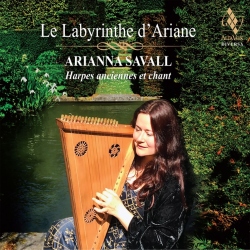
Fantasia que contrahaze the harp in the manner of Luduvico
Fantasía que contrahaze la harpa en la manera de Ludovico
2:58
6
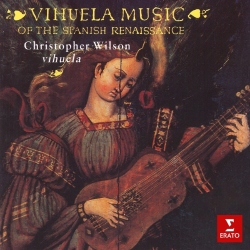
Romanesque (or Save the cows for me)
Romanesca I, o Guardame las vacas (Libros de música en cifra, Libro I)
1:42
8
1:38
10
1:48

15
2:13
Works Highlight
Recommend Playlist


Related Artists
Copyright Ⓒ 2013 Davinci Finger. All rights reseved
Service Terms & Policy