Alonso de Mudarra
Romanesca (or Guárdame las vacas)
Released Album
Recent Album

Featured Album
Works Info
Composer:Alonso de MudarraGenre:ChamberStyle:DanceCompose Date:before 1546Average_duration:2:36Romanesca (or Guárdame las vacas) is a popular Renaissance piece composed by Alonso de Mudarra, a Spanish composer and vihuelist. The piece was composed in the 16th century and is believed to have been written for the vihuela, a plucked string instrument popular in Spain during the Renaissance. The piece is divided into three movements, each with its own distinct characteristics. The first movement is slow and melancholic, with a simple melody that is repeated throughout the piece. The second movement is faster and more lively, with a more complex melody that is played in a faster tempo. The third movement is a variation of the first movement, with a more elaborate melody that is played in a faster tempo. The piece is characterized by its use of the Romanesca chord progression, which was a popular chord progression in Renaissance music. The Romanesca chord progression consists of four chords: the tonic, subdominant, dominant, and tonic. This chord progression is used throughout the piece, giving it a sense of unity and coherence. The piece is also characterized by its use of ornamentation, which was a common feature of Renaissance music. Ornamentation is the addition of decorative notes to a melody, and it was used to add interest and variety to the music. Mudarra uses a variety of ornamentation techniques in the piece, including trills, mordents, and turns. The piece premiered in the 16th century and quickly became popular throughout Europe. It has since been arranged for a variety of instruments, including the guitar, lute, and harp. Today, it is considered one of the most famous pieces of Renaissance music and is often used as an example of the Romanesca chord progression.More....
Works Music
Released Music
2
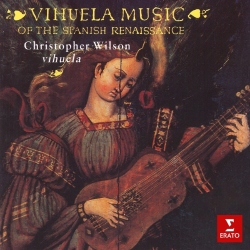
Romanesque (or Save the cows for me)
Romanesca I, o Guardame las vacas (Libros de música en cifra, Libro I)
1:42
3
3:50

6
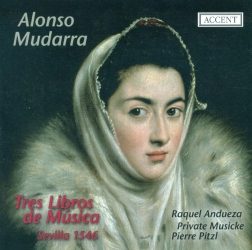
2:19
7
2:5

Featured Music