


Roberto Gerhard
Released Album
Chamber
-
 June 26, 2024
 -
 July 2, 2021
 -
 January 24, 2020
 -
 June 21, 2019
 -
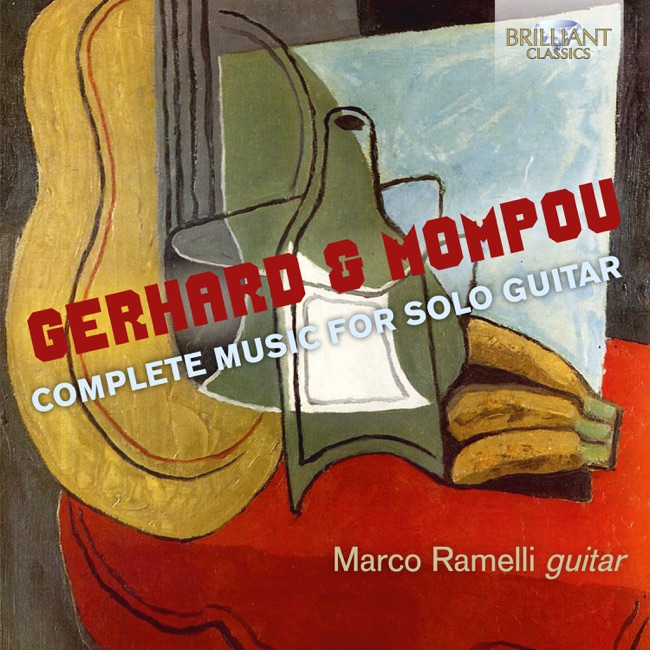 January 18, 2019
 -
 October 20, 2016
Orchestral
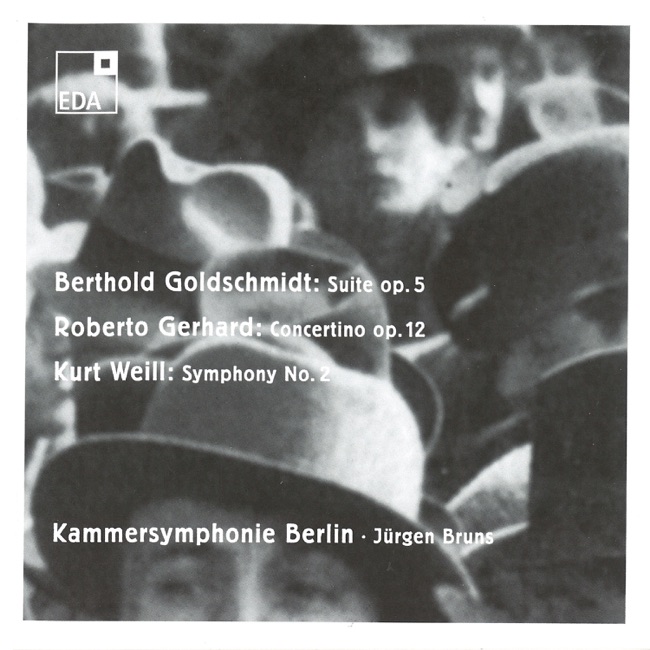
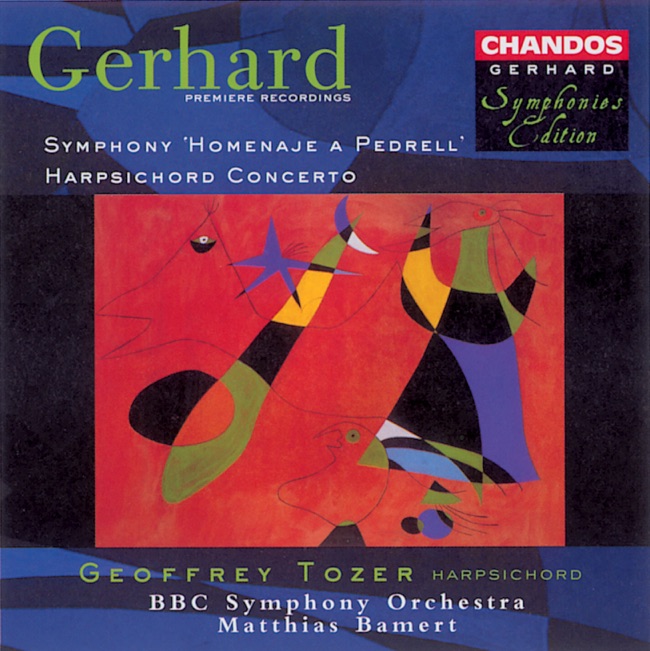
Ballet
-
 December 31, 2019
 -
 April 16, 2012
 -
 March 30, 2009
 -
 October 10, 2000
 -
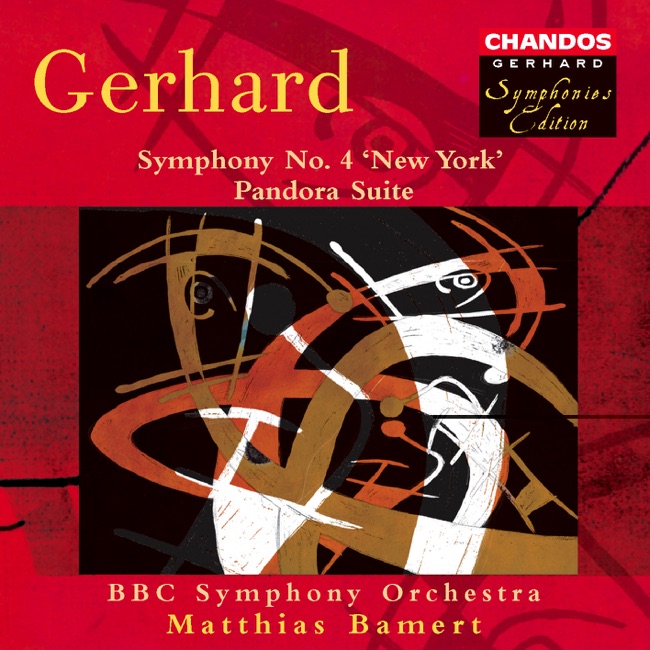 November 30, 1999
 -
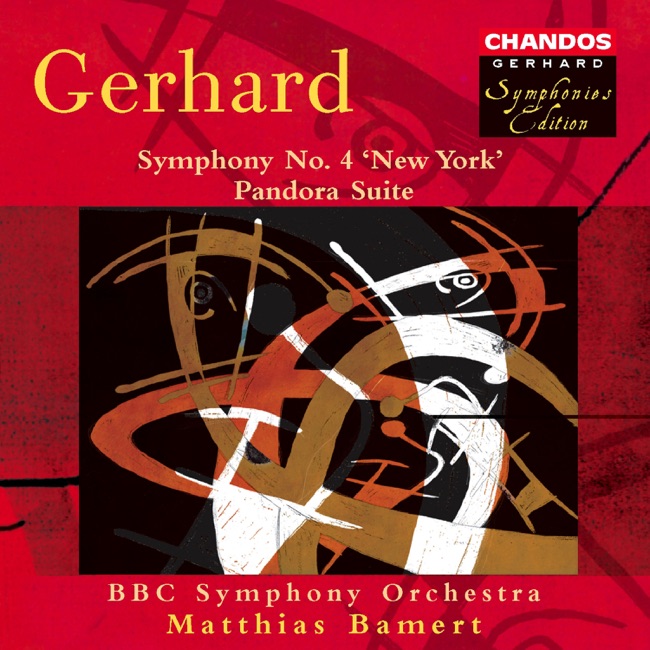 October 1, 1999
Symphony
-
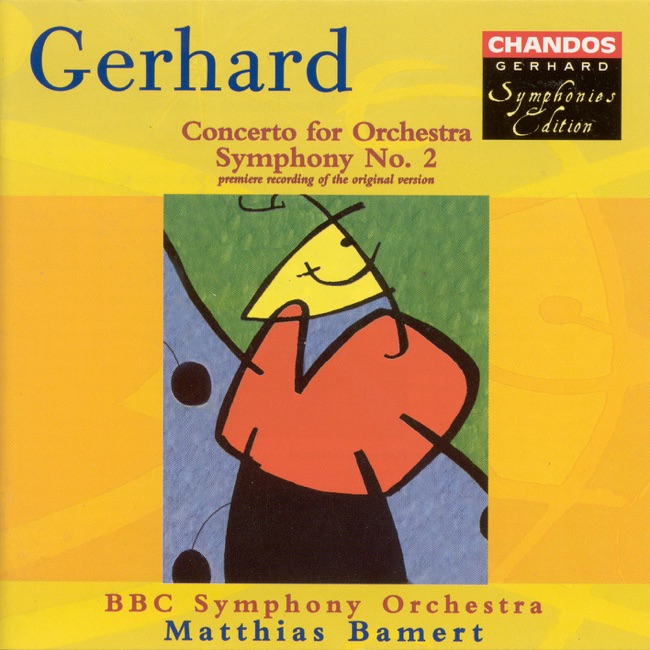 March 23, 1999
 -
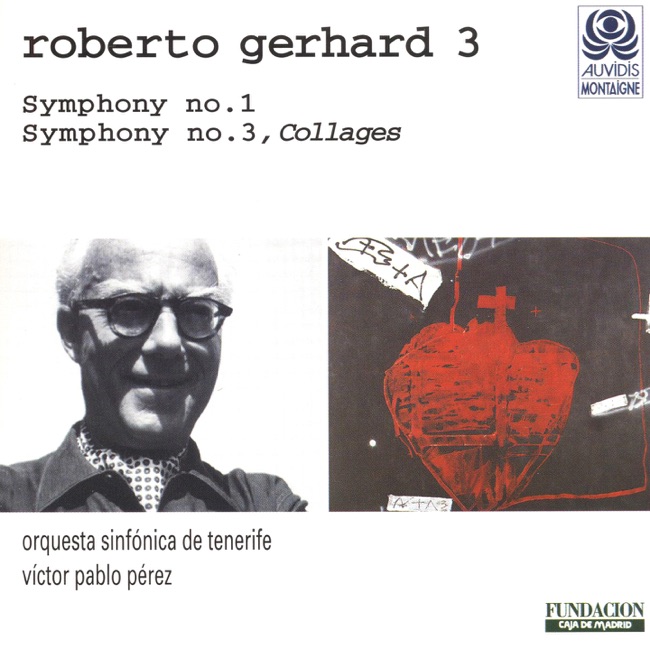 February 1, 1997
 -
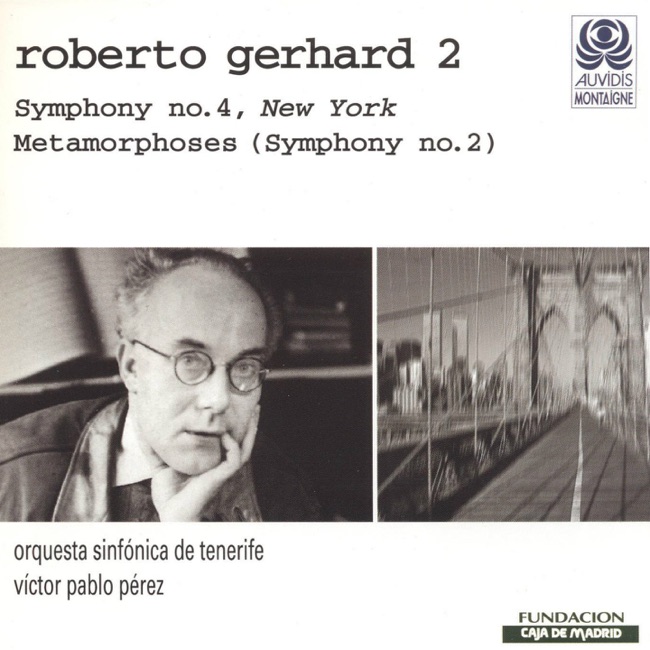 February 1, 1997
 -
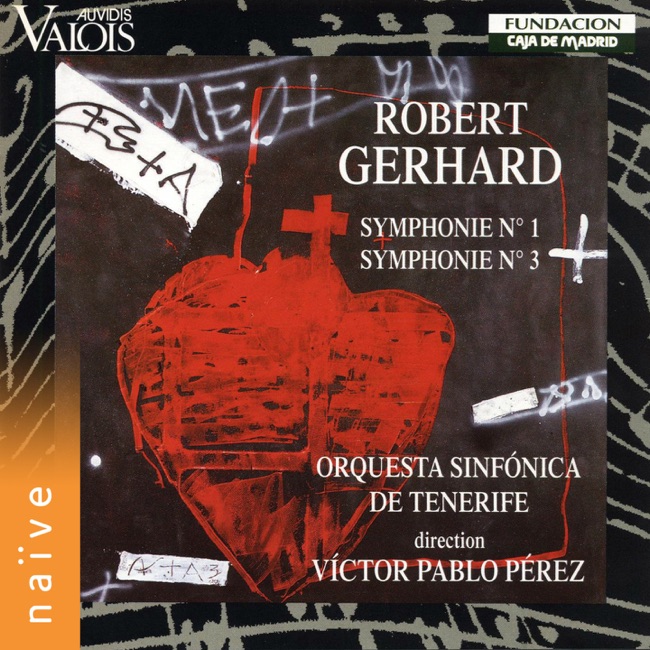 January 1, 1995
 -
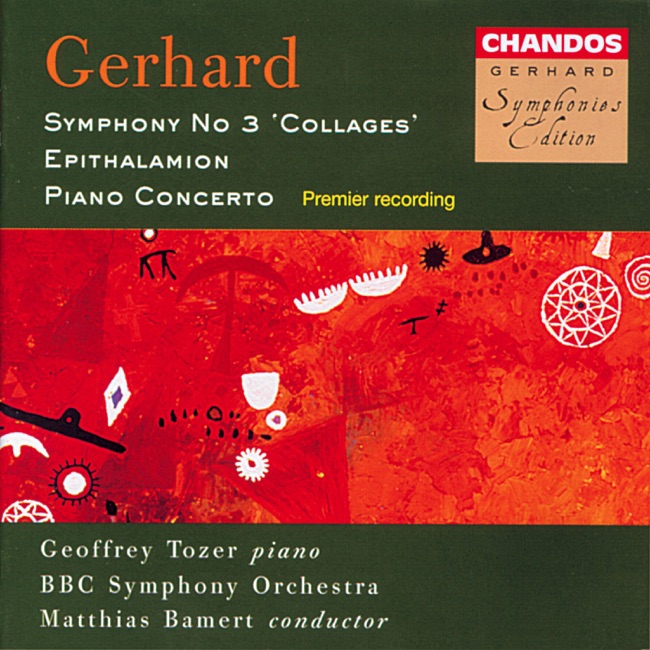 January 1, 1979
Artist Info
Role:ComposerCountry: SpainBirth:September 25, 1896 in Valls, SpainDeath:January 5, 1970 in Cambridge, Cambridgeshire, EnglandPeriod:ModernGenre:ChamberKeyboardOrchestralSymphonyRoberto Gerhard was a Spanish composer who was born on September 25, 1896, in Valls, Catalonia. He was the son of a wealthy family, and his father was a successful businessman. Gerhard showed an early interest in music and began studying piano and composition at a young age. He was also exposed to the music of Richard Wagner and Richard Strauss, which had a significant influence on his own compositions. Gerhard studied at the Barcelona Conservatory, where he was a student of Felip Pedrell, a prominent musicologist and composer who was instrumental in the revival of Catalan folk music. Gerhard was also influenced by the music of Claude Debussy and Maurice Ravel, and he began to incorporate elements of impressionism into his own compositions. In 1928, Gerhard moved to Vienna to study with Arnold Schoenberg, the founder of the twelve-tone technique. Gerhard was deeply impressed by Schoenberg's music and his approach to composition, and he became one of his most devoted students. Gerhard's own compositions began to reflect the influence of Schoenberg's twelve-tone technique, and he became one of the leading proponents of serialism in Spain. Gerhard returned to Barcelona in 1932, where he became a professor of composition at the Barcelona Conservatory. He also began to work as a conductor, and he conducted the premiere of his own Symphony No. 1 in 1933. Gerhard's music was well-received by critics and audiences, and he quickly established himself as one of the leading composers in Spain. In 1936, the Spanish Civil War broke out, and Gerhard was forced to flee the country. He settled in Cambridge, England, where he became a British citizen in 1947. Gerhard continued to compose and conduct, and he became a professor of composition at the University of Cambridge in 1957. Gerhard's music continued to evolve throughout his career, and he experimented with a wide range of styles and techniques. He was particularly interested in electronic music, and he was one of the first composers to use electronic instruments in his compositions. Gerhard's electronic music was groundbreaking, and it had a significant influence on the development of electronic music in the 20th century. Gerhard's most famous works include his Symphony No. 3, which was composed in 1965. The symphony is a powerful and emotional work that reflects Gerhard's experiences during the Spanish Civil War. The symphony is notable for its use of electronic instruments, which add a haunting and otherworldly quality to the music. Gerhard's other notable works include his Concerto for Orchestra, which was composed in 1953. The concerto is a virtuosic work that showcases the talents of the orchestra, and it is notable for its use of complex rhythms and harmonies. Gerhard's other notable works include his String Quartet No. 2, which was composed in 1956, and his Piano Concerto, which was composed in 1965. Gerhard continued to compose and conduct until his death on January 5, 1970. He was a prolific composer who left behind a rich and diverse body of work that continues to be performed and studied today. Gerhard's music is notable for its innovative use of electronic instruments and its incorporation of a wide range of styles and techniques. He was a true pioneer of 20th-century music, and his contributions to the field continue to be celebrated and admired by musicians and music lovers around the world.More....
Recent Artist Music
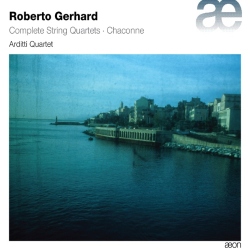
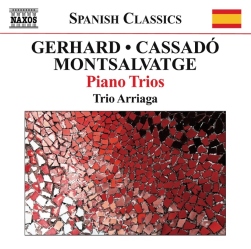

9
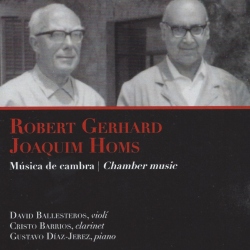
Studying for the film Secret People
Estudi per al film Secret People per a violí, clarinet i piano
3:52
Copyright Ⓒ 2013 Davinci Finger. All rights reseved
Service Terms & Policy