


Francesco Landini
Released Album
Vocal
-
 February 23, 2024
 -
 June 16, 2022
 -
 April 30, 2021
 -
 September 4, 2020
 -
 March 15, 2019
 -
 January 12, 2018
Artist Info
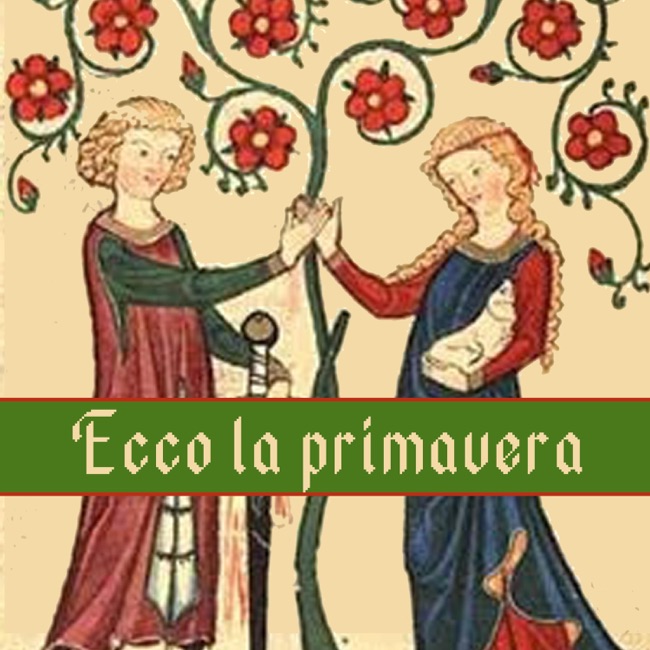
Role:ComposerCountry: ItalyBirth:ca. 1325 in Florence, ItalyDeath:September 2, 1397 in Florence, ItalyPeriod:MedievalGenre:KeyboardVocalFrancesco Landini was a prominent Italian composer, organist, and poet of the 14th century. He was born in Fiesole, near Florence, in 1325, and was blind from birth. Despite his disability, Landini became one of the most celebrated musicians of his time, known for his innovative compositions and virtuosic performances. Landini grew up in a musical family, and his father was a musician and instrument maker. He began his musical education at a young age, learning to play the organ and other instruments. He also studied singing and composition, and by the age of 20, he had become a skilled musician and composer. Landini's music was heavily influenced by the Ars Nova style, which was popular in France and Italy during the 14th century. This style was characterized by complex rhythms, intricate harmonies, and a greater emphasis on melody than previous musical styles. Landini was particularly known for his use of the "Landini cadence," a distinctive chord progression that became a hallmark of his music. Landini's compositions were diverse, ranging from sacred music to secular songs. He wrote many ballate, which were popular songs of the time that were often performed at courtly gatherings and other social events. His ballate were known for their beautiful melodies and intricate harmonies, and many of them featured lyrics that were written by Landini himself. In addition to his compositions, Landini was also a skilled performer. He was known for his virtuosic organ playing, and he often performed at the court of the powerful Medici family in Florence. He was also a sought-after teacher, and many of his students went on to become successful musicians in their own right. One of Landini's most famous works is the ballata "Ecco la primavera," which translates to "Here Comes the Spring." This song is a celebration of the arrival of spring, and it features a lively melody and intricate harmonies. The lyrics describe the beauty of the season and the joy that it brings to people's lives. Another notable work by Landini is the ballata "Non avrà ma' pieta questa mia donna," which translates to "My Lady Will Never Have Mercy." This song is a lament about unrequited love, and it features a haunting melody and melancholy lyrics. The song is a testament to Landini's skill as a composer, as he was able to convey complex emotions through his music. Landini's music was highly influential, and his innovations in composition and performance helped to shape the course of Western music. His use of the Landini cadence, in particular, had a lasting impact on music theory and composition. Despite his blindness, Landini was able to achieve great success as a musician and composer, and his legacy continues to be celebrated to this day.More....
Recent Artist Music
5
2:37
6
4:48

Copyright Ⓒ 2013 Davinci Finger. All rights reseved
Service Terms & Policy