


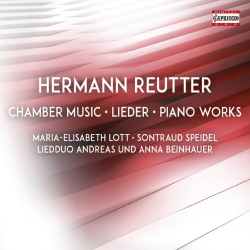
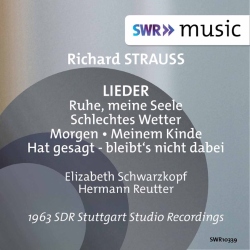
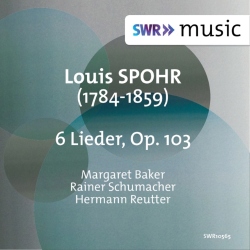
Hermann Reutter
Released Album
Vocal
-
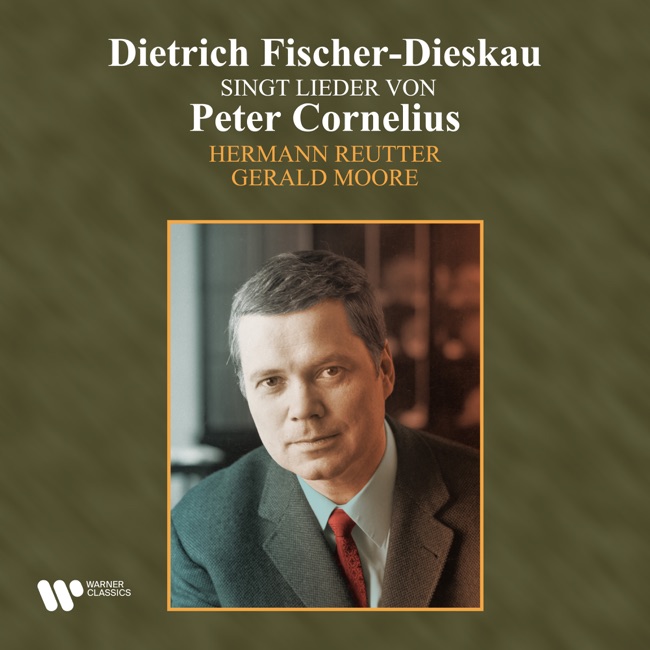 December 22, 2023
 -
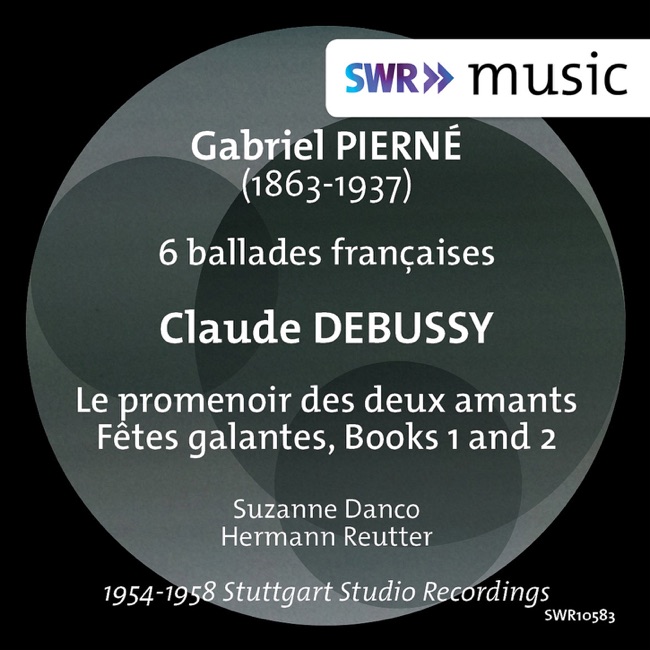 March 6, 2020
 -
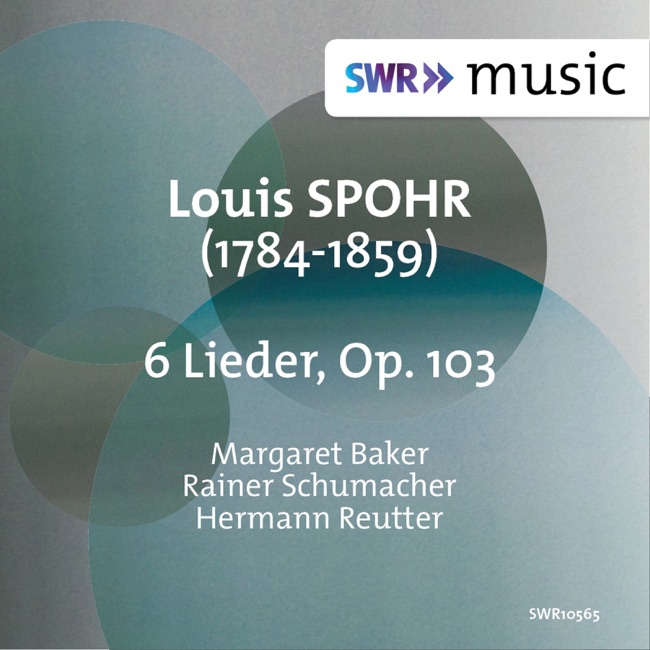 April 26, 2019
 -
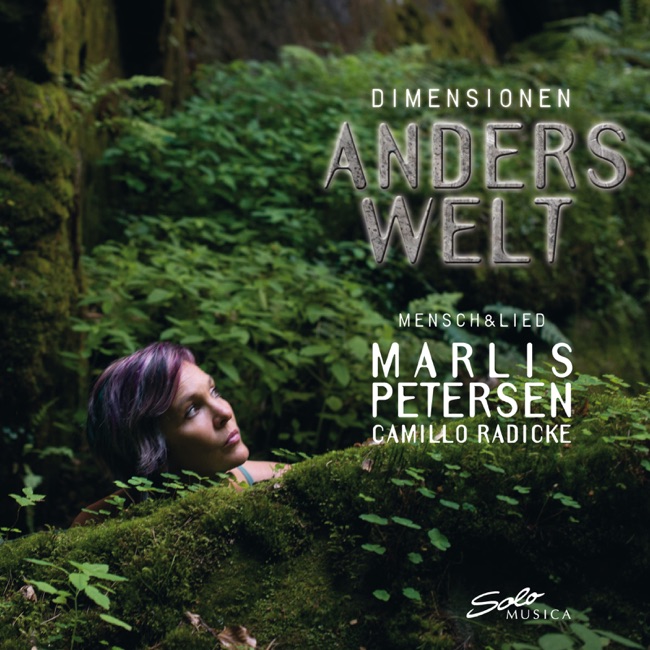 November 2, 2018
 -
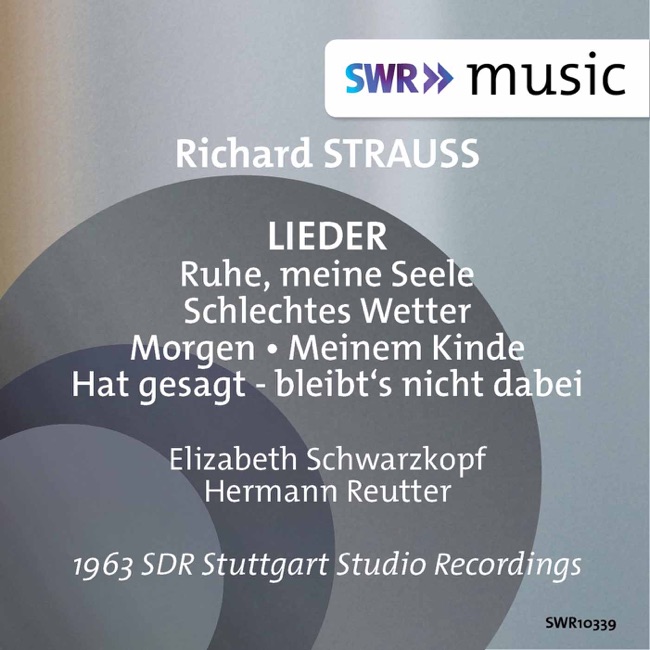 May 1, 2016
 -
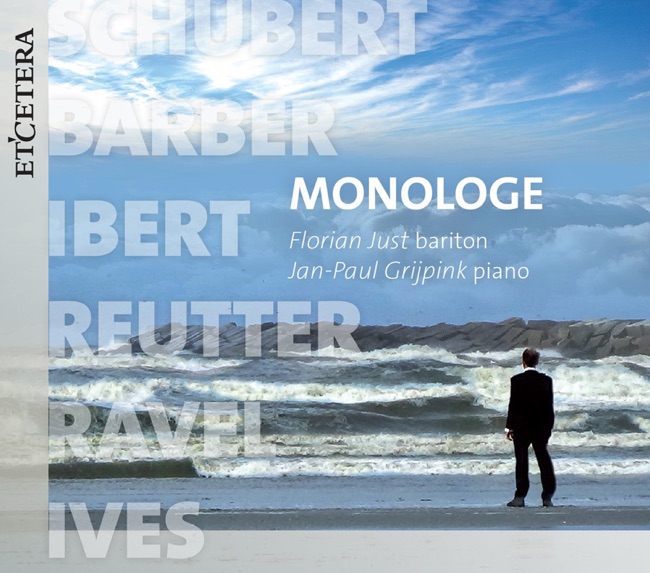 March 29, 2016
Chamber
-
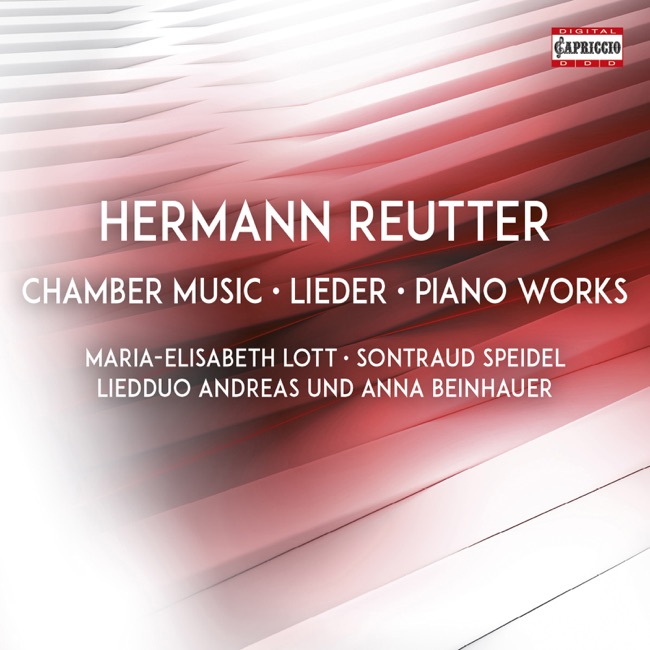 March 2, 2018
 -
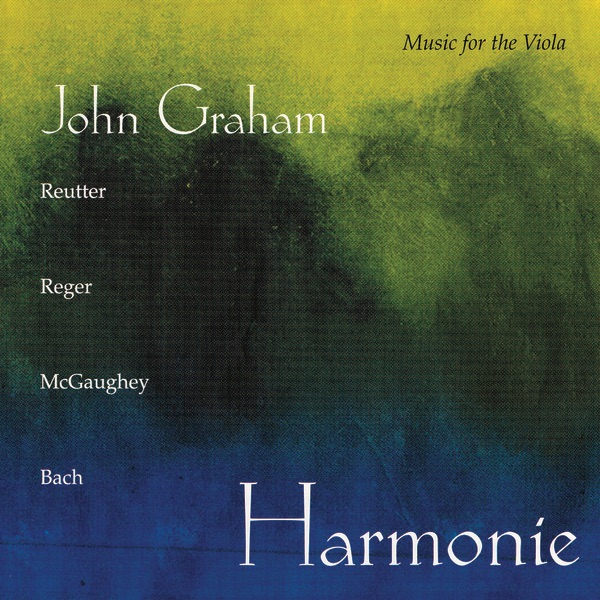 March 11, 2000
Artist Info
Role:ComposerCountry: GermanyBirth:June 17, 1900 in Stuttgart, GermanyDeath:January 1, 1985 in Heidenheim an der Brenz, GermanyPeriod:ModernGenre:VocalHermann Reutter was a German composer and pianist who was born on July 21, 1900, in Stuttgart, Germany. He was the son of a music teacher and grew up in a musical family. Reutter began playing the piano at a young age and showed a natural talent for music. He studied at the Stuttgart Conservatory and later at the Hochschule für Musik in Berlin. Reutter's early compositions were influenced by the music of Richard Strauss and Gustav Mahler. He was also interested in the music of Arnold Schoenberg and the Second Viennese School. Reutter's early works were characterized by their lush harmonies and expressive melodies. In 1925, Reutter was appointed as a professor of piano at the Stuttgart Conservatory. He continued to compose during this time and his works began to gain recognition. In 1930, he was awarded the Mendelssohn Prize for his Piano Concerto No. 1. During the 1930s, Reutter's music became more experimental. He began to incorporate elements of atonality and serialism into his compositions. This was a controversial move at the time, as many composers were still writing in a more traditional style. However, Reutter's music was well-received by critics and audiences alike. In 1933, the Nazi party came to power in Germany. Reutter was initially supportive of the regime, but he soon became disillusioned with their policies. He refused to join the Nazi party and was eventually dismissed from his position at the Stuttgart Conservatory in 1935. After leaving the conservatory, Reutter continued to compose and perform. He also taught privately and gave lectures on music theory. In 1944, he was drafted into the German army and served as a medic on the Eastern Front. He was captured by Soviet forces in 1945 and spent several years in a prisoner of war camp. After the war, Reutter returned to Stuttgart and resumed his career as a composer and pianist. He was appointed as a professor at the Hochschule für Musik in Stuttgart in 1950 and remained there until his retirement in 1968. Reutter's later works were characterized by their simplicity and clarity. He moved away from the experimental techniques of his earlier works and focused on creating music that was accessible to a wider audience. His compositions during this period included several choral works, as well as chamber music and solo piano pieces. One of Reutter's most famous works is his Piano Concerto No. 1, which was composed in 1929. The concerto is characterized by its lush harmonies and virtuosic piano writing. It has been performed by many of the world's leading pianists and remains a popular work in the piano concerto repertoire. Another notable work by Reutter is his Symphony No. 2, which was composed in 1952. The symphony is a more traditional work than some of Reutter's earlier compositions, but it still displays his characteristic harmonic language and expressive melodies. Reutter's choral works are also highly regarded. His Requiem, composed in 1955, is a powerful and moving work that has been performed by choirs around the world. His Christmas Oratorio, composed in 1960, is a festive and joyful work that has become a staple of the holiday season. Hermann Reutter died on March 1, 1985, in Stuttgart, Germany. He left behind a legacy of innovative and expressive music that continues to be performed and appreciated today. His contributions to the world of classical music have earned him a place among the great composers of the 20th century.More....
Recent Artist Music

11
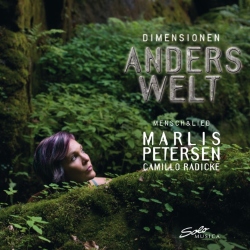
Lonely Mermaid (from '9 songs after poems by Ricarda Huch')
Einsame Nixe (aus 9 Lieder nach Gedichten von Ricarda Huch)
3:2
Copyright Ⓒ 2013 Davinci Finger. All rights reseved
Service Terms & Policy