Gaspar Sanz
Pavanas por la D, con partidas al aire español (from Guitarra Española, Book 2)
Released Album
Recent Album
Works Info
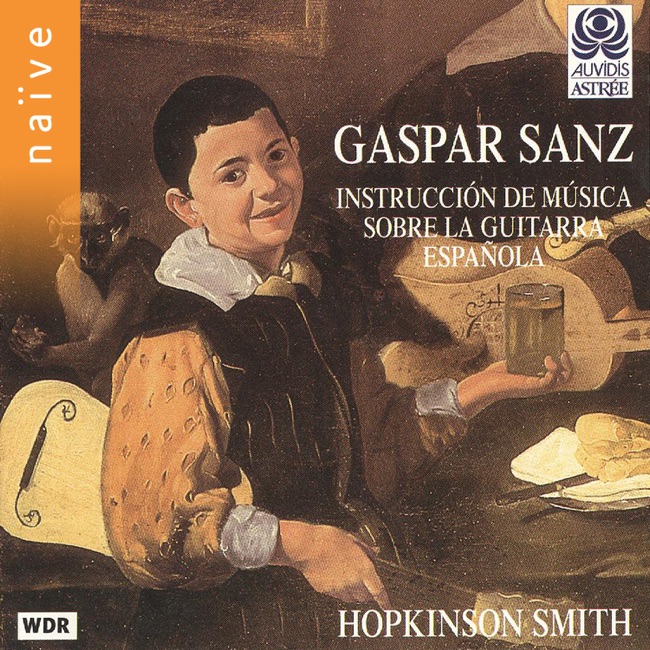
Composer:Gaspar SanzGenre:ChamberStyle:PavaneAverage_duration:3:06Gaspar Sanz was a Spanish composer and guitarist who lived during the Baroque period. He is best known for his collection of guitar music, "Instrucción de música sobre la guitarra española," which was published in 1674. One of the most famous pieces from this collection is "Pavanas por la D, con partidas al aire español," which is found in Book 2. The piece is a set of variations on a theme, with each variation being based on the same chord progression. The theme is a slow, stately dance in the key of D minor, and the variations explore different aspects of the melody and harmony. The piece is divided into four movements, each with its own character and mood. The first movement is the theme itself, which is a simple and elegant melody played over a repeating bass line. The second movement is a set of variations on the theme, with each variation exploring a different aspect of the melody and harmony. The variations range from simple embellishments of the melody to more complex harmonies and rhythms. The third movement is a set of variations on a different theme, which is based on the same chord progression as the first theme. This theme is more lively and upbeat than the first, and the variations explore different aspects of the melody and rhythm. The final movement is a set of variations on the second theme, which is played in a faster tempo and with more complex rhythms and harmonies. Overall, "Pavanas por la D, con partidas al aire español" is a beautiful and complex piece of music that showcases Sanz's skill as a composer and guitarist. The piece is notable for its use of variations, which allow Sanz to explore different aspects of the melody and harmony while maintaining a cohesive structure. The piece is also notable for its use of Spanish folk music elements, which give it a unique and distinctive character. The piece premiered in the 17th century and continues to be performed and studied by guitarists today.More....
Works Music
Released Music
1
3:9
2
Pavanas for the D, with Spanish air (from Guitarra Española, Book 2)
Pavanas por la D (Libro II)
3:35
3
3:45
4

Pavanas for the D, with Spanish air (from Guitarra Española, Book 2)
Pavanas por la D, con Partidas al Aire español
2:41
5
4:11
7
Pavanas for the D, with Spanish air (from Guitarra Española, Book 2)
Pavana al ayre español. Cinco partidas con mucha novedad (Piezas por la D)
3:11
9
2:54