


Kurt Weill
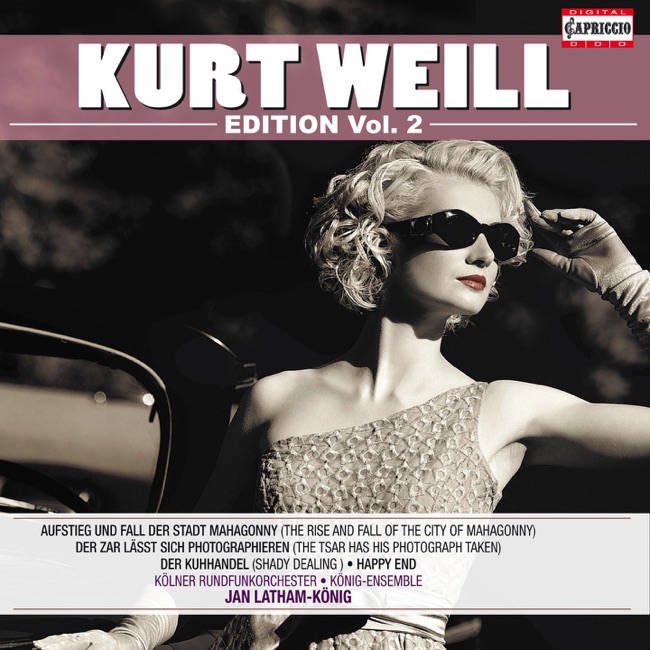
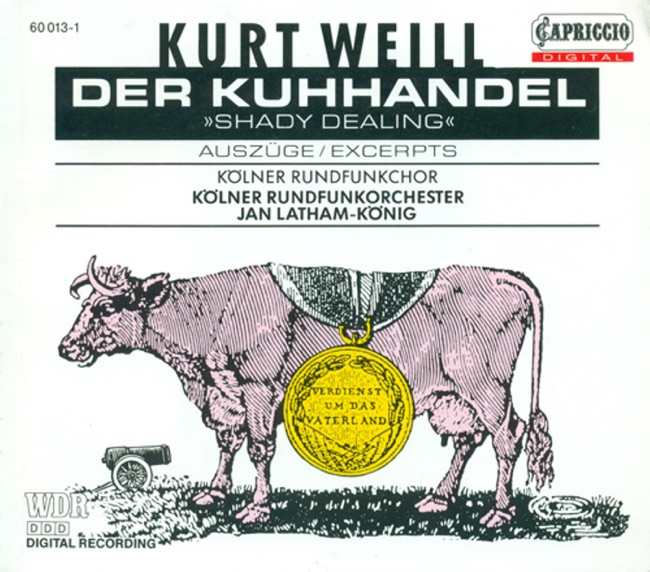
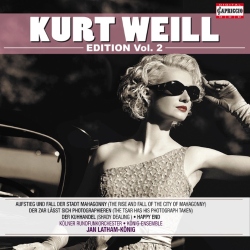
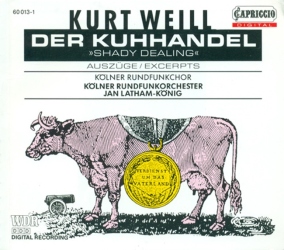
Der Kuhhandel
Released Album
Recent Album
Works Info
Composer:Kurt WeillGenre:OperaStyle:OperettaCompose Date:Feb 1934 - Dec 1934First Performance:Jun 28, 1935Der Kuhhandel is an opera composed by Kurt Weill with a libretto by Robert Vambery. The opera was composed in 1930 and premiered on March 14, 1930, at the Kroll Opera House in Berlin. The opera is a satirical work that critiques the political and social climate of Germany during the Weimar Republic. The plot of Der Kuhhandel revolves around a small town in Germany where the mayor, a corrupt and greedy man, decides to sell the town's cows to a wealthy American businessman. The townspeople are outraged by this decision and decide to take matters into their own hands. They elect a new mayor, a young and idealistic man, who promises to fight for their rights and protect their cows. The new mayor, however, is quickly corrupted by power and money and decides to sell the cows himself. The townspeople are once again outraged and decide to take drastic action. They kidnap the American businessman and hold him for ransom, demanding that he return their cows. The opera is divided into three movements, each of which represents a different stage in the townspeople's struggle for justice. The first movement is characterized by a sense of hope and optimism as the townspeople elect their new mayor and begin to fight for their rights. The second movement is darker and more cynical as the new mayor becomes corrupted by power and money. The third movement is a chaotic and violent climax as the townspeople take drastic action to reclaim their cows. The music of Der Kuhhandel is characterized by Weill's signature blend of classical and popular styles. The opera features a variety of musical genres, including jazz, cabaret, and operetta. The music is often dissonant and jarring, reflecting the chaotic and tumultuous nature of the plot. Overall, Der Kuhhandel is a powerful and satirical work that critiques the political and social climate of Germany during the Weimar Republic. The opera's themes of corruption, greed, and the struggle for justice are still relevant today, making it a timeless work of art.More....
Works Music
Released Music
Main Perform Artists
Vocals
Vocals
Vocals
Vocals
Vocals
Vocals
Vocals
Vocals
Vocals
Vocals