Bohuslav Martinu
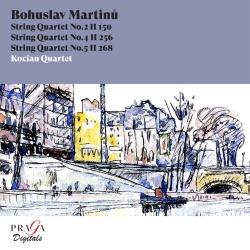
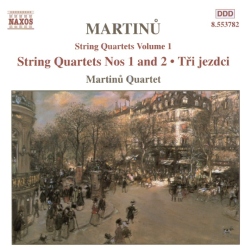
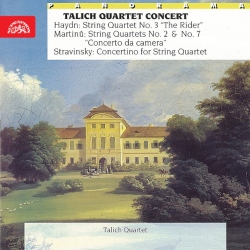
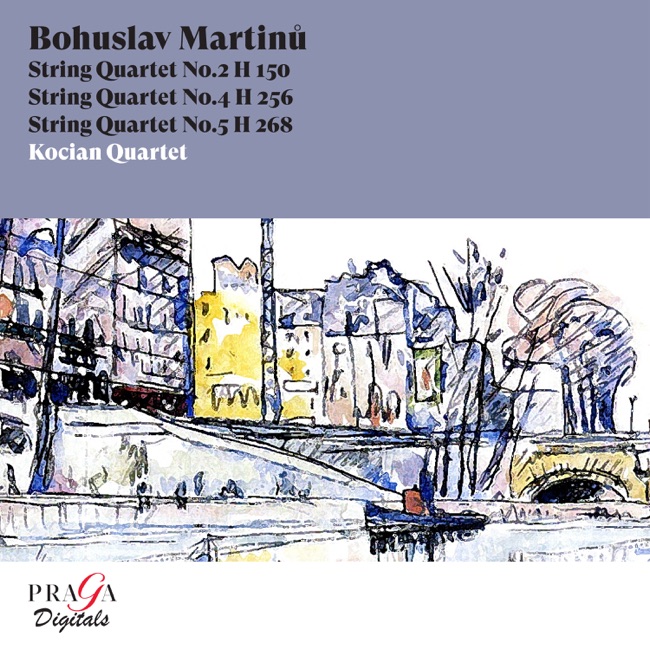
String Quartet No. 2, H. 150
Released Album
Recent Album
Works Info
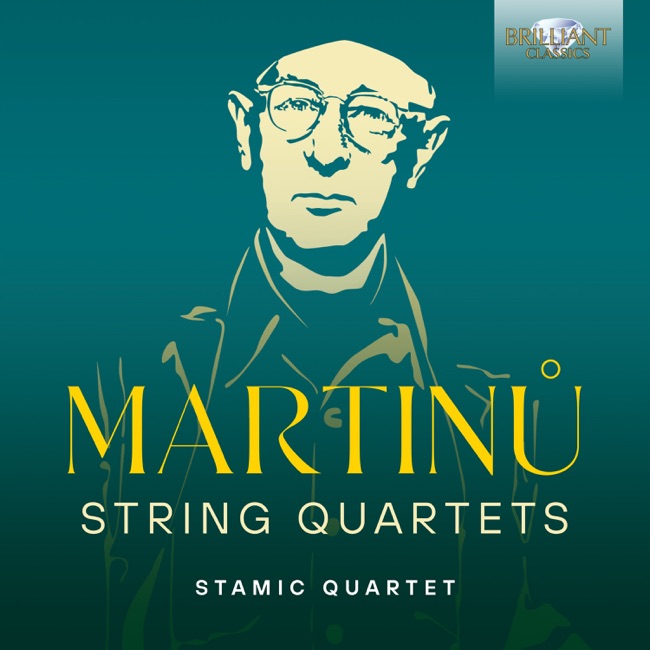
Composer:Bohuslav MartinuGenre:ChamberStyle:QuartetCompose Date:Oct 30, 1925Publication Date:1927First Performance:Nov 12, 1925Average_duration:19:46Movement_count:3Movement ....Bohuslav Martinu's String Quartet No. 2, H. 150, was composed in 1917 while he was studying at the Prague Conservatory. The piece premiered in 1925 in Prague, performed by the Czech Quartet. The quartet consists of four movements: Poco allegro, Andante moderato, Allegro, and Allegro con brio. The first movement, Poco allegro, begins with a lively and rhythmic theme played by the first violin. The theme is then passed on to the other instruments, creating a playful and energetic atmosphere. The movement also features a contrasting lyrical section, which provides a moment of respite before returning to the lively theme. The second movement, Andante moderato, is a slow and melancholic piece. The cello introduces a mournful melody, which is then taken up by the other instruments. The movement is characterized by its use of chromaticism and dissonance, creating a sense of tension and unease. The third movement, Allegro, is a fast and lively scherzo. The movement is characterized by its use of syncopation and irregular rhythms, creating a sense of playfulness and unpredictability. The movement also features a contrasting trio section, which provides a moment of calm before returning to the energetic scherzo. The final movement, Allegro con brio, is a fast and lively piece that brings the quartet to a thrilling conclusion. The movement is characterized by its use of driving rhythms and virtuosic passages, showcasing the technical abilities of the performers. The movement also features a brief return to the lyrical theme from the first movement, providing a sense of unity and closure to the piece. Overall, Martinu's String Quartet No. 2 is a dynamic and expressive work that showcases his skill as a composer. The quartet is characterized by its use of contrasting themes and moods, creating a sense of tension and release throughout the piece. The quartet is also notable for its use of rhythmic complexity and virtuosic passages, which challenge the performers and create a sense of excitement for the listener.More....
Works Music
Released Music