


Heinrich Schütz
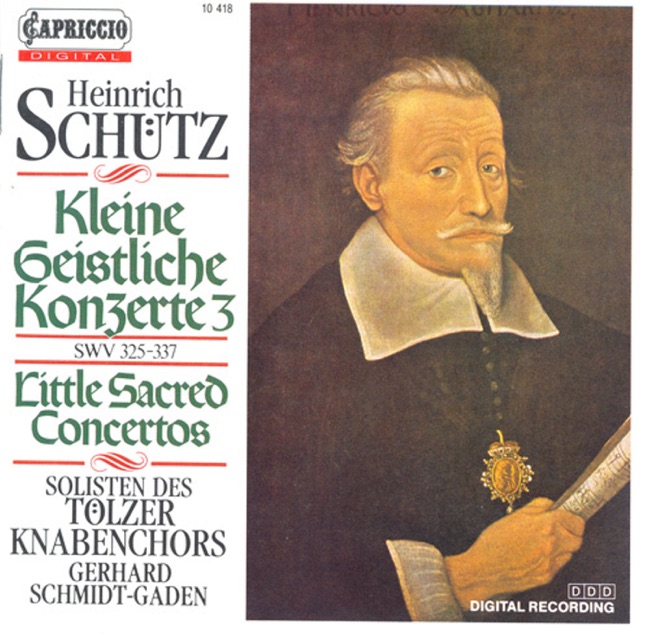
Aufer immensam, Deus, aufer iram, SWV 337 (Op. 9/32)
Released Album
Recent Album

Works Info
Composer:Heinrich SchützGenre:ChoralStyle:ChoralPublication Date:1639Average_duration:7:44Heinrich Schütz's 'Aufer immensam, Deus, aufer iram' is a sacred motet for five voices, composed in 1650. It was premiered in Dresden, Germany, where Schütz served as the court composer for the Elector of Saxony. The piece is part of Schütz's Opus 9 collection, which consists of 29 sacred motets. The motet is divided into two movements, with the first movement being a setting of Psalm 79:5-6, and the second movement being a setting of Psalm 80:4. The first movement begins with a mournful and pleading tone, with the voices singing in unison to ask God to remove his anger and spare his people. The music gradually builds in intensity, with the voices becoming more urgent and impassioned. The second movement is more upbeat and hopeful, with the voices singing in harmony to ask God to shine his light upon his people and save them. Schütz's 'Aufer immensam, Deus, aufer iram' is characterized by its use of polyphony, which is the technique of combining multiple voices to create a complex and harmonious sound. The piece also features Schütz's signature use of chromaticism, which is the use of notes outside of the traditional diatonic scale to create tension and dissonance. This creates a sense of emotional intensity and urgency in the music, which is fitting for the subject matter of the piece. Overall, 'Aufer immensam, Deus, aufer iram' is a powerful and moving piece of sacred music that showcases Schütz's skill as a composer. Its use of polyphony and chromaticism create a sense of emotional depth and urgency that is sure to resonate with listeners.More....
Works Music
Released Music

2
7:49