


Modest Mussorgsky
Pictures at an Exhibition, for orchestra other than Ravel's
Released Album
Recent Album
-
-

-
-
-
-
-
-
-
-
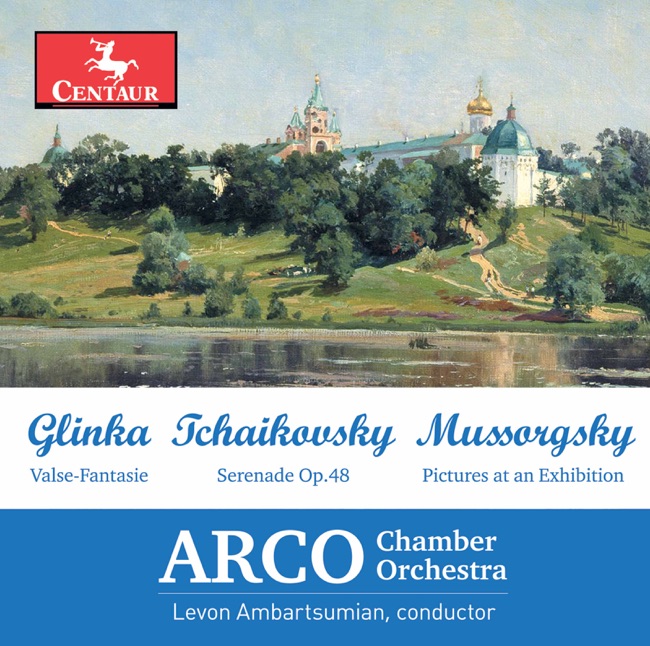
-
-
 Various ArtistsDecember 6, 2019
Featured Album
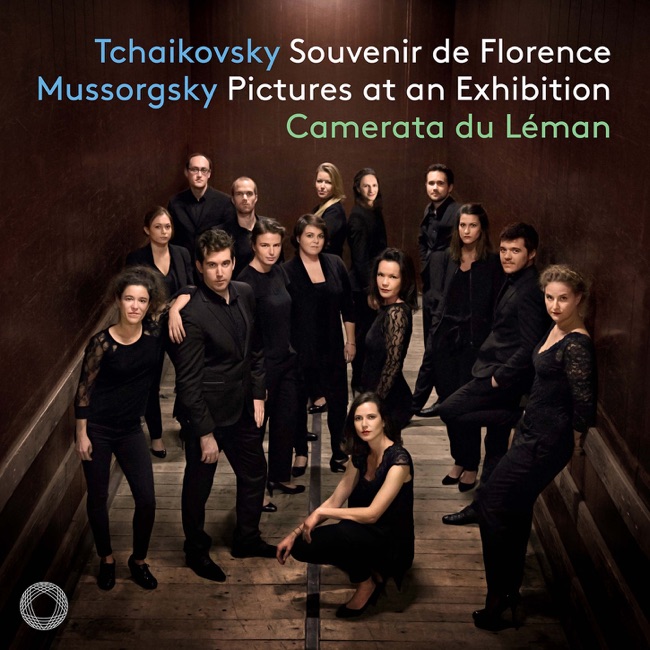
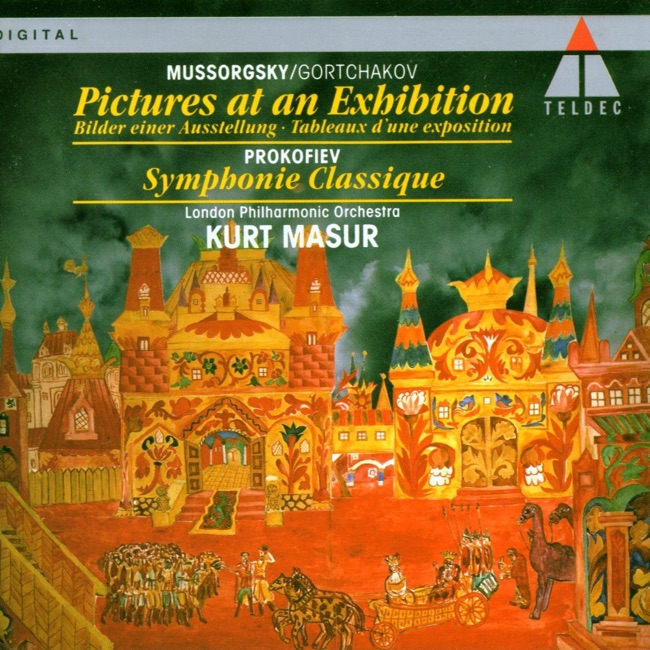
Works Info
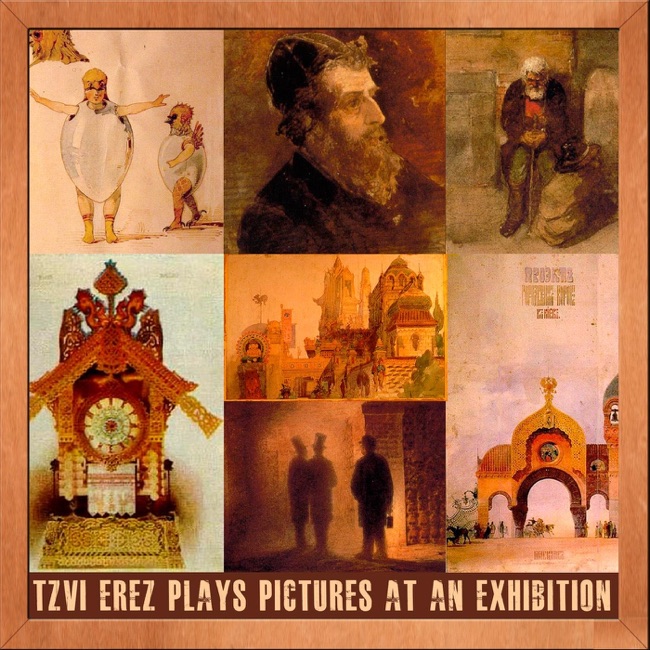
Composer:Modest MussorgskyGenre:OrchestralStyle:OrchestralCompose Date:1896Average_duration:30:28Modest Mussorgsky's "Pictures at an Exhibition" is a suite of ten pieces for piano, which was later orchestrated by various composers. The suite was composed in 1874 in memory of Mussorgsky's friend, the artist Viktor Hartmann, who had died the previous year. The suite is a musical depiction of an exhibition of Hartmann's paintings, which Mussorgsky had attended. The suite consists of ten movements, each of which is a musical representation of a different painting or drawing by Hartmann. The movements are connected by a recurring "Promenade" theme, which represents the viewer walking from one painting to the next. The suite begins with the "Promenade" theme, which is followed by "Gnomus," a depiction of a gnome or troll. The next movement, "The Old Castle," is a melancholy piece that depicts an old castle in the moonlight. The third movement, "Tuileries," is a playful piece that depicts children playing in the Tuileries Gardens in Paris. The fourth movement, "Bydlo," is a depiction of a Polish ox-cart, which is represented by a lumbering, heavy theme. The fifth movement, "Ballet of the Unhatched Chicks," is a lively and playful piece that depicts chicks hatching from their eggs and dancing. The sixth movement, "Samuel Goldenberg and Schmuyle," is a musical representation of two contrasting characters from a painting by Hartmann. Samuel Goldenberg is represented by a grand, majestic theme, while Schmuyle is represented by a more subdued, melancholy theme. The seventh movement, "Limoges," is a depiction of a market in the French town of Limoges, and is a lively and playful piece. The eighth movement, "Catacombs," is a haunting and eerie piece that depicts a visit to the catacombs beneath Paris. The ninth movement, "The Hut on Fowl's Legs," is a depiction of the witch Baba Yaga, who is represented by a frenzied, wild theme. The suite concludes with the "Great Gate of Kiev," a grand and majestic piece that depicts the entrance to the city of Kiev. Mussorgsky's original piano version of "Pictures at an Exhibition" was not published until 1886, five years after his death. The suite was later orchestrated by various composers, including Maurice Ravel, who is perhaps the most famous orchestrator of the work. Ravel's orchestration, which was completed in 1922, is considered by many to be the definitive version of the suite. Overall, "Pictures at an Exhibition" is a highly evocative and imaginative work that showcases Mussorgsky's skill as a composer and his ability to paint vivid musical pictures. The suite is notable for its use of folk melodies and its incorporation of Russian musical traditions, as well as its innovative use of harmony and orchestration.More....
Works Music
Released Music
3
2:13
4
1:22
5
1:24
7
1:22
8
1:12
9
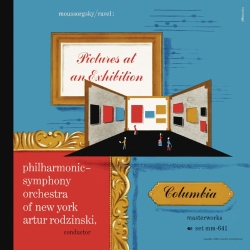
1:34
10

Pictures at an Exhibition, for orchestra other than Ravel's
The Hut on Hen's Legs (Baba Yaga)
3:30
Featured Music
1
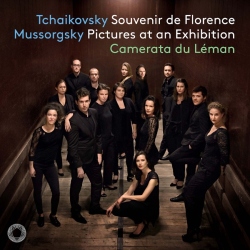
1:46
2
2:41
3
56
5
33
6
1:8
7
3:6
8
1:1
9
Pictures at an Exhibition, for orchestra other than Ravel's
IX. Ballet of the Unhatched Chicks
1:21
12
Pictures at an Exhibition, for orchestra other than Ravel's
XII. Catacombae (Sepulcrum Romanum)
2:21
Main Perform Artists