William Byrd
Justorum animae
Released Album
Recent Album
-
-
-
 Various ArtistsMarch 3, 2017
 -

-
-
-
-
-
-
-
-
Featured Album
Works Info
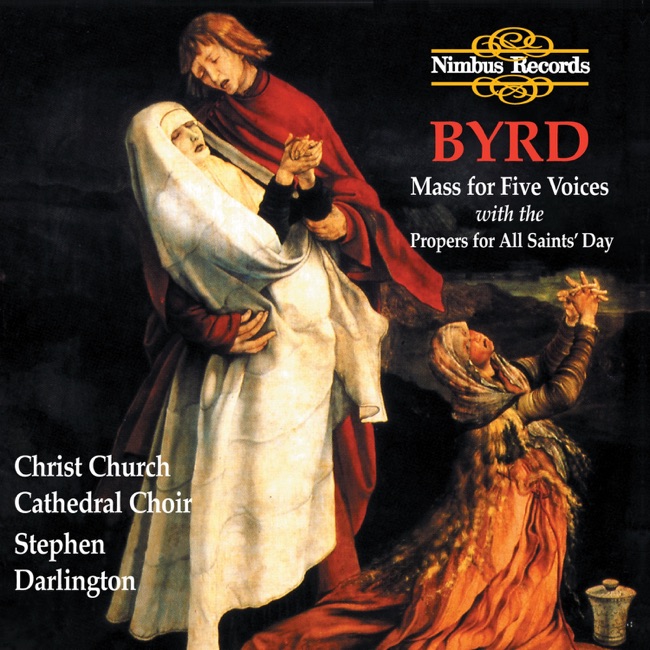
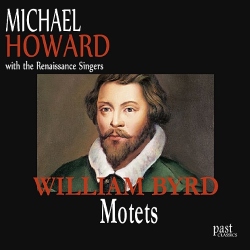
Composer:William ByrdGenre:ChoralStyle:MotetAverage_duration:2:52"Justorum animae" is a sacred motet composed by William Byrd, an English composer of the Renaissance era. The piece was composed in the late 16th century, around 1605, and was first performed in the Chapel Royal at St. James's Palace in London. The motet is written in four parts, with the text taken from the Book of Wisdom, chapter 3, verses 1-3. The text speaks of the souls of the righteous being in the hands of God, and how they are at peace and will receive a reward in the afterlife. Byrd's setting of the text is reflective and contemplative, with a sense of calm and serenity throughout. The first movement of the motet begins with a gentle, flowing melody in the alto voice, which is then taken up by the other voices in turn. The harmonies are simple and understated, with a focus on the beauty of the vocal lines. The second movement is more complex, with a faster tempo and more intricate counterpoint between the voices. The third movement returns to the slower, more contemplative mood of the first, with a beautiful melody in the soprano voice accompanied by gentle harmonies in the lower voices. The final movement is a joyful and uplifting setting of the text "eternae lucis splendoribus coronabitur", which speaks of the righteous being crowned with the splendor of eternal light. Overall, "Justorum animae" is a beautiful and moving piece of sacred music, which showcases Byrd's skill as a composer of vocal music. The piece is characterized by its simplicity and elegance, with a focus on the beauty of the vocal lines and the text. It is a testament to the enduring power of sacred music, and a reminder of the beauty and peace that can be found in contemplation of the divine.More....
Works Music
Released Music
3
3:10
Featured Music