


Franz Liszt
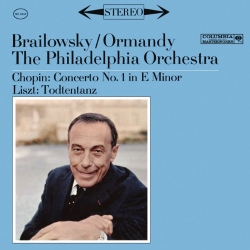
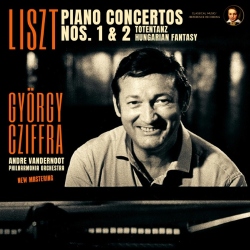
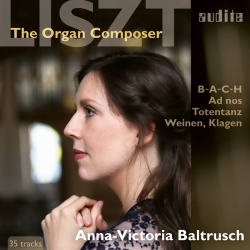
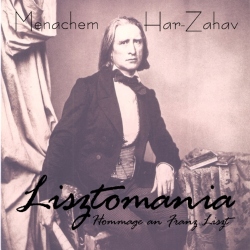
Totentanz, for piano & orchestra, S. 126
Released Album
Recent Album


Featured Album
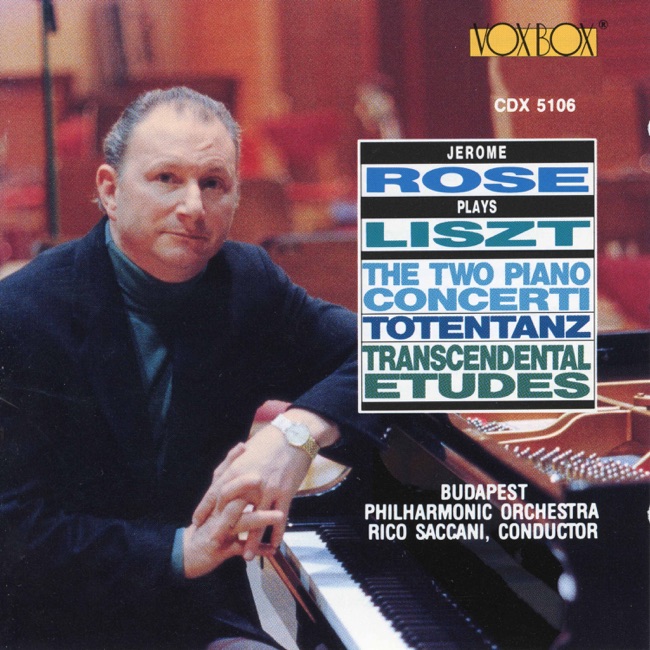
Works Info
Composer:Franz LisztGenre:ConcertoStyle:DanceCompose Date:1847 - 1862Publication Date:1865First Performance:Apr 15, 1865Average_duration:16:01Franz Liszt's "Totentanz, for piano & orchestra, S. 126" is a composition that was completed in 1849. It premiered on April 15, 1865, in The Hague, Netherlands, with Liszt himself as the soloist and the conductor. The piece is divided into ten movements, each of which represents a different stage of the dance of death. The first movement, "Introduzione," sets the tone for the piece with a somber and mournful melody played by the orchestra. The second movement, "Dies irae," is a fast and furious dance that represents the Day of Judgment. The third movement, "Totentanz," is the main section of the piece and features a series of variations on the "Dies irae" theme. The fourth movement, "Variation 1," is a slow and mournful section that features the piano playing a simple melody over a quiet orchestral accompaniment. The fifth movement, "Variation 2," is a fast and frenzied section that features the piano playing a virtuosic solo over a driving orchestral accompaniment. The sixth movement, "Variation 3," is a slow and contemplative section that features the piano playing a delicate and introspective melody. The seventh movement, "Variation 4," is a fast and furious section that features the piano playing a series of rapid-fire runs and arpeggios. The eighth movement, "Variation 5," is a slow and mournful section that features the piano playing a simple and plaintive melody over a quiet orchestral accompaniment. The ninth movement, "Variation 6," is a fast and frenzied section that features the piano playing a virtuosic solo over a driving orchestral accompaniment. The final movement, "Finale," is a triumphant and celebratory section that brings the piece to a rousing conclusion. Overall, "Totentanz" is a powerful and dramatic work that showcases Liszt's virtuosic piano playing and his skill as a composer. The piece is characterized by its use of the "Dies irae" theme, which is a medieval chant that was traditionally associated with death and the Day of Judgment. Liszt's variations on this theme are both inventive and emotionally powerful, and the piece as a whole is a testament to his mastery of the piano and his ability to create music that is both technically challenging and deeply moving.More....
Works Music
Released Music
1
Dance of Death, for piano & orchestra, p. 126
Introduction. Andante – Presto – Allegro – Allegro moderato
1:54
4
14:50
6
15:15
7

15:12
10
15:59
Featured Music
2
15:38
3
15:6
4
15:23
5
Dance of Death, for piano & orchestra, p. 126
"Dance of the Dead", Paraphrase on "Dies irae", for piano & orchestra, S 126
14:36





Main Perform Artists
Piano
Piano
Piano
Piano
Piano