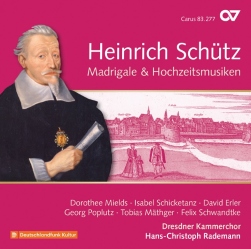
Heinrich Schütz
Glück zu dem Helikon, SWV 96
Released Album
Recent Album

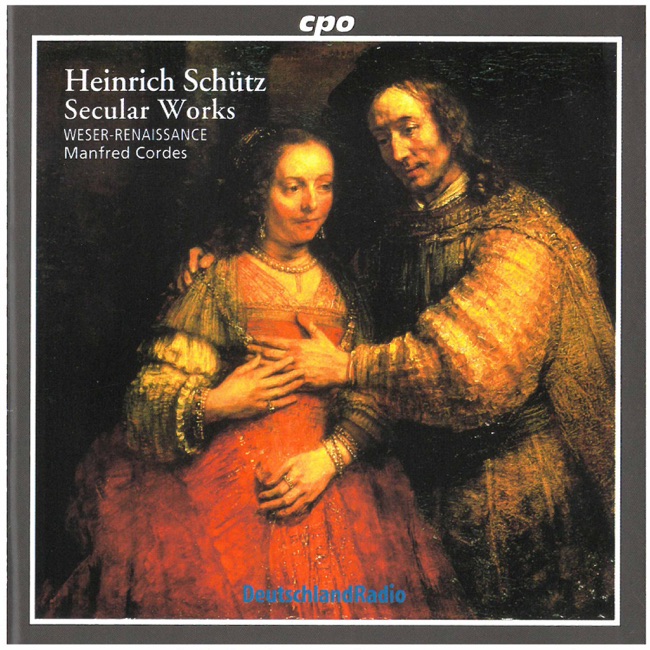
Works Info
Composer:Heinrich SchützGenre:VocalStyle:Vocal MusicAverage_duration:2:07Heinrich Schütz's 'Glück zu dem Helikon, SWV 96' is a choral work that was composed in the early 17th century. The piece was premiered in 1629 in Dresden, Germany, and is considered to be one of Schütz's most significant works. The piece is divided into three movements, each of which is characterized by its unique musical style and structure. The first movement is a lively and energetic chorus that features a complex interplay between the voices. The second movement is a more subdued and introspective piece that features a solo soprano voice accompanied by a small ensemble. The final movement is a triumphant and celebratory chorus that brings the piece to a rousing conclusion. One of the most notable characteristics of 'Glück zu dem Helikon' is its use of polyphony, which is a musical technique that involves the simultaneous use of multiple independent melodies. Schütz was a master of this technique, and he used it to great effect in this piece, creating a rich and complex tapestry of sound that is both beautiful and awe-inspiring. Another notable characteristic of the piece is its use of harmony. Schütz was known for his innovative use of harmony, and he employed a wide range of chords and progressions in 'Glück zu dem Helikon' to create a sense of depth and complexity in the music. Overall, 'Glück zu dem Helikon, SWV 96' is a masterpiece of choral music that showcases Schütz's incredible talent and skill as a composer. Its intricate polyphony, innovative harmony, and powerful emotional impact make it a timeless work that continues to inspire and move audiences to this day.More....