


Dietrich Buxtehude
Sonata for 2 violins, viola da gamba & continuo in F major, BuxWV 269
Released Album
Recent Album

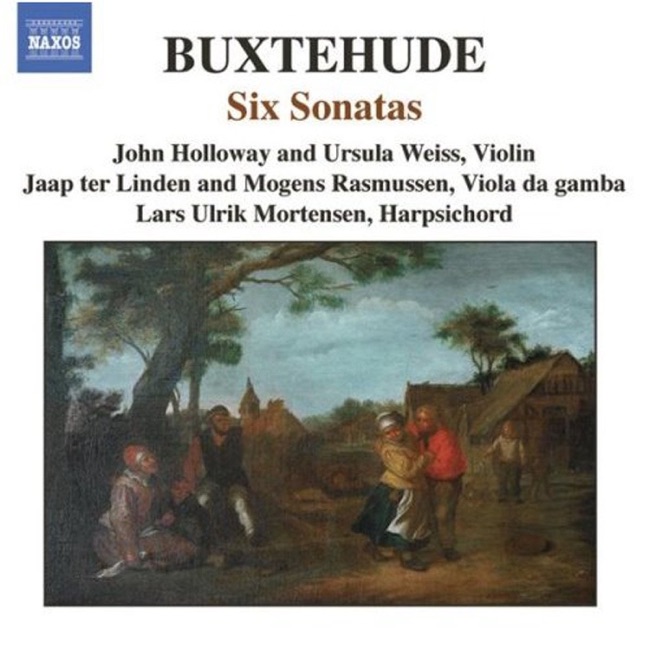
Featured Album
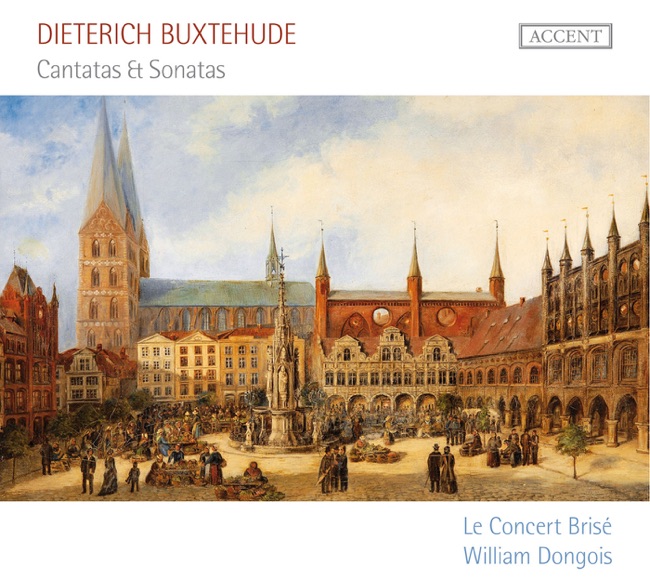
Works Info
Composer:Dietrich BuxtehudeGenre:ChamberStyle:SonataAverage_duration:7:42Dietrich Buxtehude's Sonata for 2 violins, viola da gamba & continuo in F major, BuxWV 269, also known as the Sonata in F major, is a Baroque chamber music piece composed for two violins, viola da gamba, and continuo. The exact date of composition is unknown, but it is believed to have been written in the late 17th century. The piece is considered one of Buxtehude's most significant works and is often performed in modern times. The sonata consists of four movements: Adagio, Allegro, Adagio, and Allegro. The first movement, Adagio, is a slow and expressive introduction that sets the tone for the rest of the piece. The second movement, Allegro, is a lively and energetic dance-like movement that showcases the virtuosity of the two violins. The third movement, Adagio, is another slow and expressive section that provides a contrast to the previous movement. The final movement, Allegro, is a fast and lively dance that brings the piece to a thrilling conclusion. The sonata is characterized by its use of counterpoint, a technique in which two or more melodic lines are played simultaneously. Buxtehude's skillful use of counterpoint creates a rich and complex texture that is both harmonically and rhythmically interesting. The piece also features a variety of dynamic contrasts, from the soft and delicate passages in the Adagio movements to the bold and energetic sections in the Allegro movements. Overall, Buxtehude's Sonata for 2 violins, viola da gamba & continuo in F major, BuxWV 269, is a masterful example of Baroque chamber music. Its intricate counterpoint, dynamic contrasts, and lively dance-like movements make it a joy to listen to and a testament to Buxtehude's skill as a composer.More....
Works Music
Released Music
1

Sonata for 2 violins, viola da gamba & continuo in F major, BuxWV 269
Sonata in F for two violins, viola da gamba and basso continuo BuxWV 269
6:52
2
Sonata for 2 violins, viola da gamba & continuo in F major, BuxWV 269
Sonata in F for 2 violins, viola da gamba & basso continuo, BuxWV 269
6:52
3
1:27
4
7:34
5
7:23
6
Sonata for 2 violins, viola da gamba & continuo in F major, BuxWV 269
Viola da gamba solo: 3/4 - Allegro -
2:14
Featured Music
1
Sonata for 2 violins, viola da gamba & continuo in F major, BuxWV 269
Sonata in F major, BuxWV 269
8:41