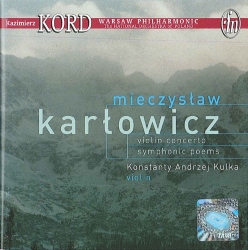
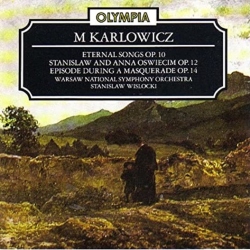
Mieczyslaw Karlowicz
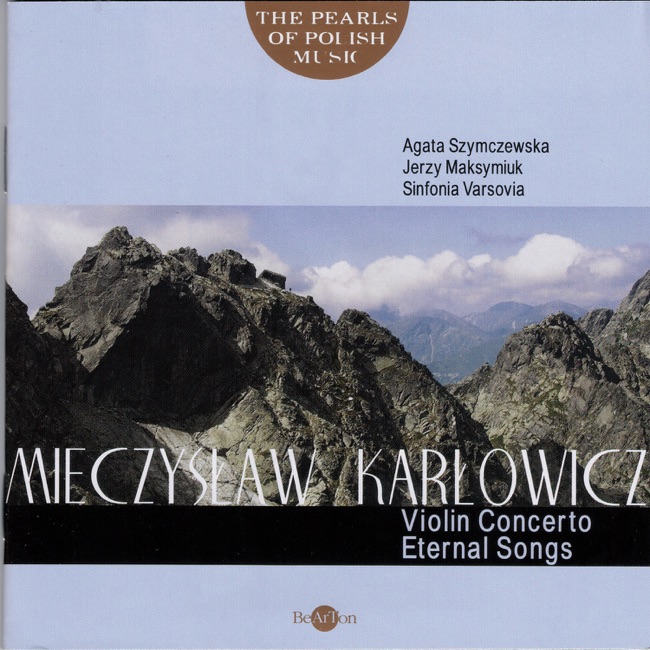
Eternal Songs, Op. 10
Released Album
Recent Album
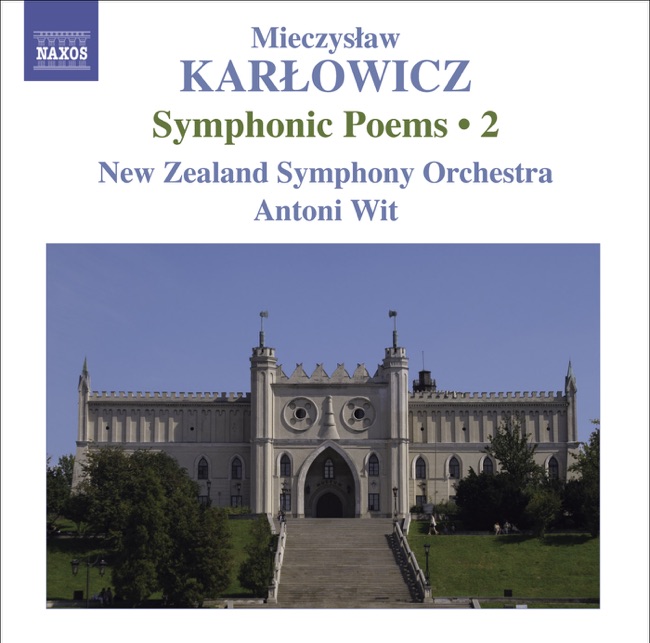
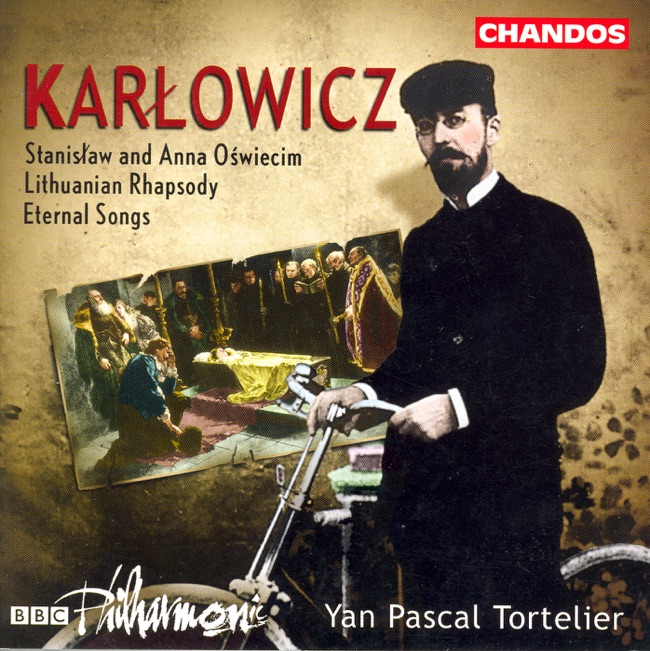
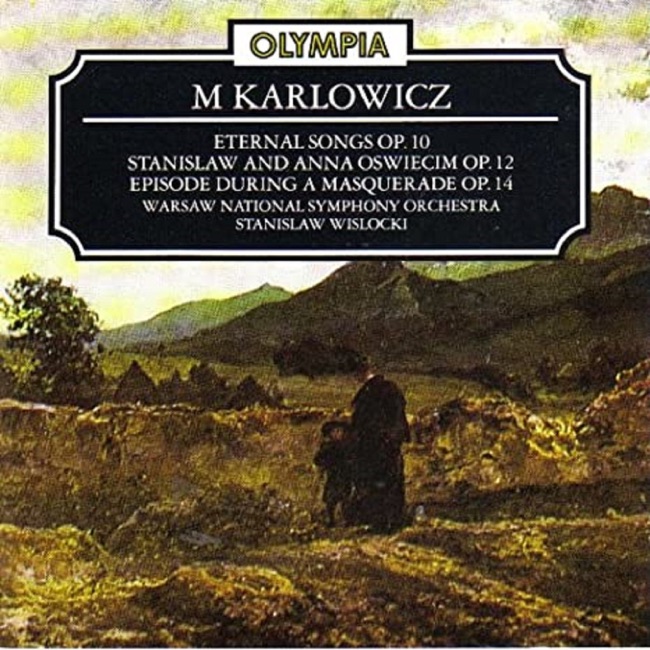
Works Info
Composer:Mieczyslaw KarlowiczGenre:OrchestralStyle:Tone PoemCompose Date:1906Average_duration:26:39Movement_count:3Movement ....Eternal Songs, Op. 10 is a symphonic poem composed by Mieczyslaw Karlowicz, a Polish composer, in 1897. The piece was premiered on January 23, 1900, in Warsaw, Poland, and was conducted by Emil Mlynarski. The composition is divided into three movements, each of which is characterized by its unique musical style and thematic material. The first movement, titled "The Song of Love Triumphant," is a passionate and romantic piece that features lush harmonies and soaring melodies. The movement begins with a slow, mournful introduction that gradually builds in intensity and leads to a triumphant climax. The main theme is introduced by the strings and is later taken up by the brass and woodwinds. The movement ends with a quiet coda that brings the music to a peaceful conclusion. The second movement, titled "The Song of Despair," is a somber and melancholic piece that features a haunting melody played by the solo violin. The movement is characterized by its use of chromatic harmonies and dissonant chords, which create a sense of unease and tension. The music builds in intensity as the movement progresses, culminating in a powerful climax before fading away into a quiet, introspective coda. The final movement, titled "The Song of Eternal Being," is a majestic and uplifting piece that features a grandiose theme played by the brass and percussion. The movement is characterized by its use of fanfares and triumphant melodies, which create a sense of celebration and joy. The music builds in intensity as the movement progresses, culminating in a glorious climax before fading away into a peaceful coda. Overall, Eternal Songs, Op. 10 is a masterful composition that showcases Karlowicz's skill as a composer. The piece is characterized by its lush harmonies, soaring melodies, and dramatic contrasts, which create a sense of emotional intensity and depth. The music is deeply rooted in the Romantic tradition, but also displays a unique and individual voice that sets it apart from other works of the period.More....
Works Music
Released Music
4
Eternal Songs, Op.10
Song of Everlasting Yearning: Andante lento - Più mosso - Allegro moderato - Tempo 1
10:46