Franz Liszt
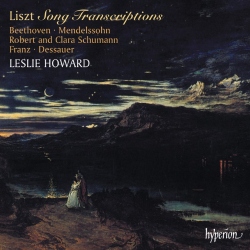
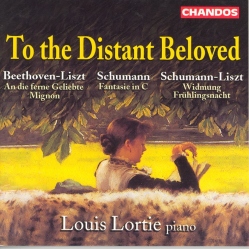
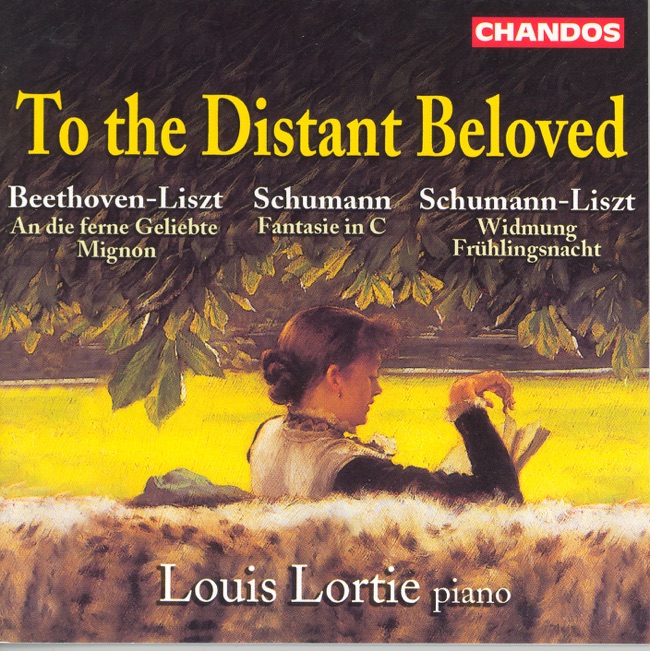
An die ferne Geliebte (after Beethoven, Op. 98), S. 469
Released Album
Recent Album


Featured Album
Works Info
Composer:Franz LisztGenre:KeyboardStyle:KeyboardCompose Date:1849Publication Date:1850Average_duration:12:18Movement_count:6Movement ....Franz Liszt's "An die ferne Geliebte" is a song cycle composed in 1856, based on the original song cycle by Ludwig van Beethoven. The premiere of Liszt's version took place in Weimar in 1859, with the composer himself at the piano and the tenor August Pohlenz as the soloist. The song cycle consists of six movements, each of which is a setting of a poem by Alois Jeitteles. The poems tell the story of a lover who is separated from his beloved and longs to be reunited with her. The music is characterized by Liszt's virtuosic piano writing, which is both expressive and technically demanding. The first movement, "Auf dem Hügel sitz ich spähend," begins with a gentle piano introduction that sets the mood for the entire cycle. The tenor enters with a lyrical melody that expresses the lover's longing for his beloved. The piano accompaniment is delicate and supportive, providing a sense of forward motion. The second movement, "Wo die Berge so blau," is more lively and rhythmic. The piano writing is more complex, with rapid arpeggios and cascading runs that create a sense of excitement and anticipation. The tenor's melody is more declamatory, expressing the lover's determination to find his beloved. The third movement, "Leichte Segler in den Höhen," is a gentle and introspective piece. The piano accompaniment is sparse, with simple chords that create a sense of space and openness. The tenor's melody is more contemplative, expressing the lover's sense of wonder and awe at the beauty of nature. The fourth movement, "Diese Wolken in den Höhen," is more dramatic and intense. The piano writing is more forceful, with pounding chords and rapid runs that create a sense of urgency and desperation. The tenor's melody is more anguished, expressing the lover's frustration and despair at being separated from his beloved. The fifth movement, "Es kehret der Maien, es blühet die Au," is a joyful and celebratory piece. The piano accompaniment is lively and energetic, with rapid runs and sparkling arpeggios that create a sense of exuberance and excitement. The tenor's melody is more joyful, expressing the lover's sense of hope and anticipation at the prospect of being reunited with his beloved. The final movement, "Nimm sie hin denn, diese Lieder," is a gentle and tender piece. The piano accompaniment is simple and supportive, with gentle chords that create a sense of intimacy and closeness. The tenor's melody is more tender, expressing the lover's love and devotion to his beloved. Overall, Liszt's "An die ferne Geliebte" is a virtuosic and expressive work that showcases the composer's skill as both a pianist and a composer. The music is characterized by Liszt's trademark virtuosity and expressiveness, and the poetry is beautifully set to music, creating a powerful emotional impact on the listener.More....
Works Music
Released Music
1
11:53
2
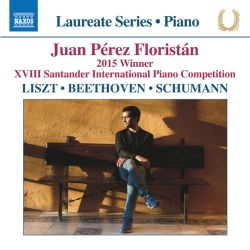
To the Distant Beloved (after Beethoven, Op. 98), p. 469
An die ferne Geliebte, S 469, R 124)
14:53
3

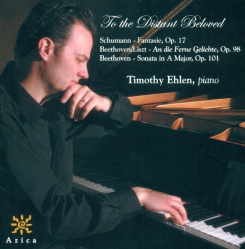
To the Distant Beloved (after Beethoven, Op. 98), p. 469
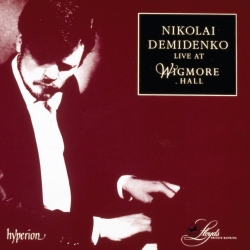
An Die Ferne Geliebte, Op. 98 / S.469 (To the Distant Beloved)
13:50
Featured Music