Luis de Milán
Fantasía for vihuela No. 16
Released Album
Recent Album


Works Info
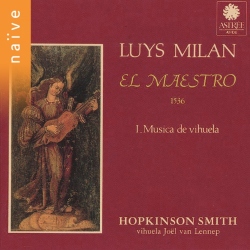
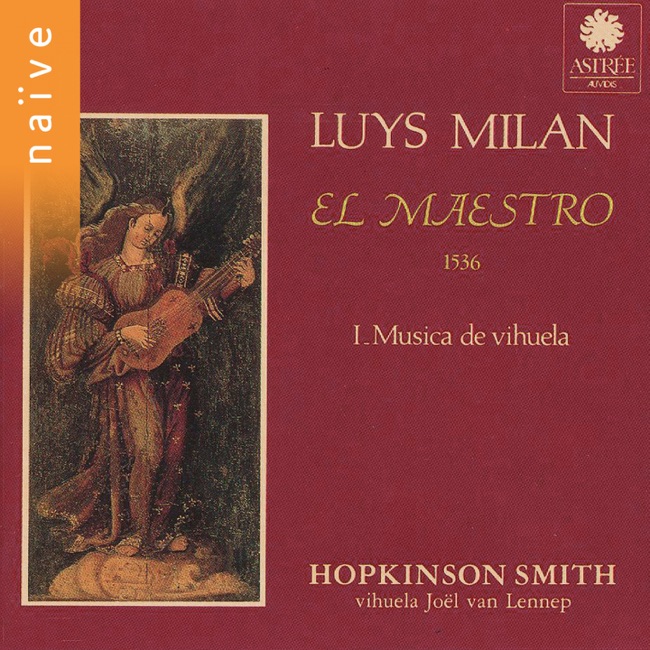
Composer:Luis de MilánGenre:ChamberStyle:FantasyCompose Date:1536Average_duration:2:57Fantasía for vihuela No. 16 is a piece of music composed by Luis de Milán, a Spanish Renaissance composer and vihuelist. The piece was composed in the early 16th century and is considered one of Milán's most famous works. It was first published in 1536 in his book "El Maestro," which is a collection of vihuela music. The piece is divided into three movements, each with its own distinct character. The first movement is marked "Allegro," and it is a lively and energetic piece that showcases Milán's skill as a composer and performer. The second movement is marked "Adagio," and it is a slower and more contemplative piece that allows the listener to reflect on the beauty of the vihuela's sound. The final movement is marked "Allegro," and it is a return to the lively and energetic style of the first movement. One of the characteristics of this piece is its use of counterpoint, which is a technique where two or more melodies are played simultaneously. Milán was known for his skill in counterpoint, and this piece is a great example of his ability to create complex and beautiful harmonies. Another characteristic of this piece is its use of ornamentation, which is a technique where the performer adds extra notes or embellishments to the melody. This technique was common in Renaissance music, and Milán was a master of it. The use of ornamentation adds to the beauty and complexity of the piece, and it also allows the performer to showcase their skill and creativity. Overall, Fantasía for vihuela No. 16 is a beautiful and complex piece of music that showcases the skill and creativity of Luis de Milán. Its use of counterpoint and ornamentation make it a great example of Renaissance music, and its three distinct movements allow the listener to experience a range of emotions and moods.More....
Works Music
Released Music