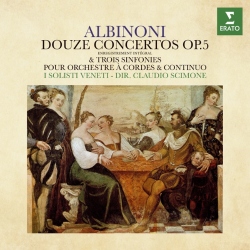
Tomaso Albinoni
Concerto à cinque, Op. 5 No. 11 in G minor
Released Album
Recent Album

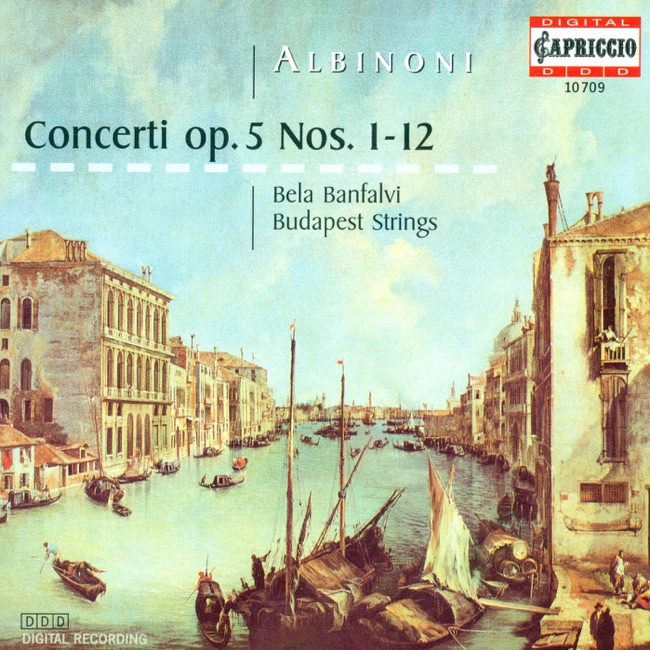
Featured Album
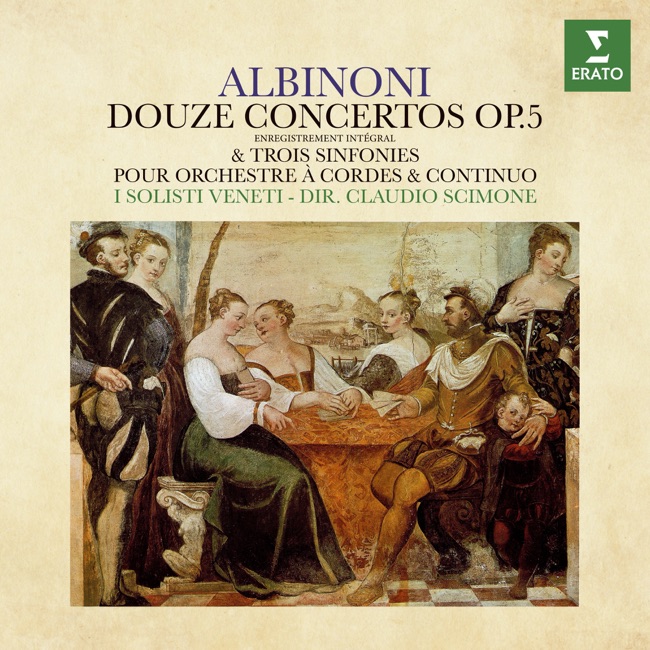
Works Info
Composer:Tomaso AlbinoniGenre:ConcertoStyle:ConcertoCompose Date:1707Publication Date:1707Average_duration:9:11Movement_count:3Movement ....Tomaso Albinoni's Concerto à cinque, Op. 5 No. 11 in G minor, is a Baroque concerto for solo oboe, strings, and continuo. It was composed in the early 18th century and premiered in Venice, Italy. The concerto is divided into three movements: Allegro, Adagio, and Allegro. The first movement, Allegro, is characterized by its fast tempo and lively rhythms. The solo oboe introduces the main theme, which is then taken up by the strings and developed throughout the movement. The oboe also performs virtuosic runs and trills, showcasing the instrument's agility and expressiveness. The second movement, Adagio, is a slow and lyrical aria for the solo oboe. The strings provide a gentle accompaniment, creating a serene and introspective atmosphere. The oboe's melodic lines are expressive and emotive, conveying a sense of longing and melancholy. The final movement, Allegro, returns to the lively and energetic character of the first movement. The solo oboe and strings engage in a playful dialogue, exchanging rapid-fire musical phrases and virtuosic flourishes. The movement ends with a triumphant flourish, bringing the concerto to a thrilling conclusion. Overall, Albinoni's Concerto à cinque, Op. 5 No. 11 in G minor, is a masterful example of Baroque concerto writing. The solo oboe is given ample opportunity to showcase its technical and expressive capabilities, while the strings and continuo provide a rich and varied accompaniment. The concerto's three movements offer a range of moods and emotions, from lively and playful to introspective and melancholic, making it a timeless masterpiece of the Baroque era.More....
Works Music
Released Music

2
3:37
4
2:35
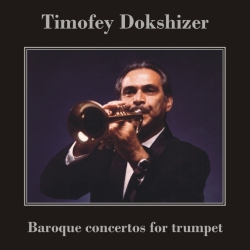

Featured Music