German Traditional
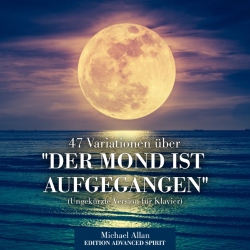
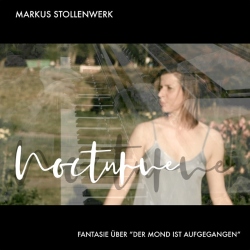
Der Mond ist aufgegangen
Released Album
Recent Album
-
 Michael AllanMay 21, 2021
 -
-
-
-

-
-

Featured Album
Works Info
Composer:German TraditionalGenre:VocalStyle:Vocal MusicAverage_duration:3:21"Der Mond ist aufgegangen" is a German traditional hymn that has been popular for centuries. The hymn was composed in the 17th century by Matthias Claudius, a German poet and journalist. The hymn was first published in 1779 in a collection of Claudius' works. The hymn has a simple melody and is typically sung in a slow and contemplative manner. It is often performed as a lullaby or as a hymn for evening prayer. The hymn is typically sung in four verses, each of which reflects on the beauty and tranquility of the moonlit night. The first verse of the hymn begins with the line "Der Mond ist aufgegangen" (The moon has risen). The verse goes on to describe the peacefulness of the night and the beauty of the moon. The second verse reflects on the idea that the moon is a symbol of God's love and protection. The third verse speaks of the comfort that the moon brings to those who are suffering or in need. The final verse is a prayer for God's protection and guidance through the night. The hymn has been set to music by a number of composers over the years, including Johann Abraham Peter Schulz, who composed the most well-known melody for the hymn. The melody is simple and easy to sing, making it a popular choice for congregational singing. "Der Mond ist aufgegangen" has become a beloved hymn in Germany and is often sung at church services, funerals, and other solemn occasions. The hymn has also been translated into a number of languages and is sung around the world. Overall, "Der Mond ist aufgegangen" is a beautiful and timeless hymn that reflects on the peace and beauty of the moonlit night and the comfort and protection that God provides. Its simple melody and heartfelt lyrics have made it a favorite of generations of worshippers and music lovers.More....