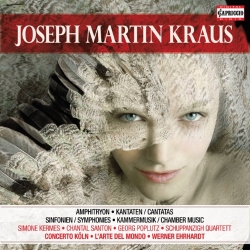
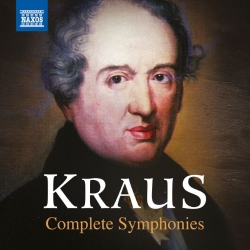
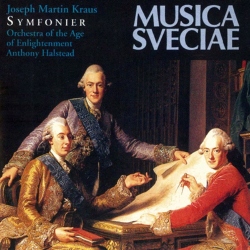
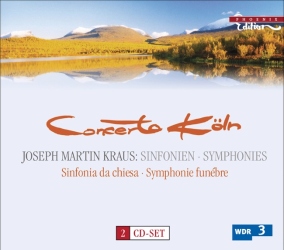
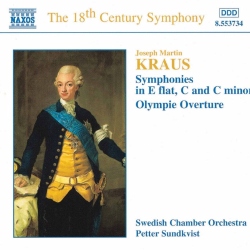
Joseph Martin Kraus
Symphony in C major, Vb. 139
Released Album
Recent Album
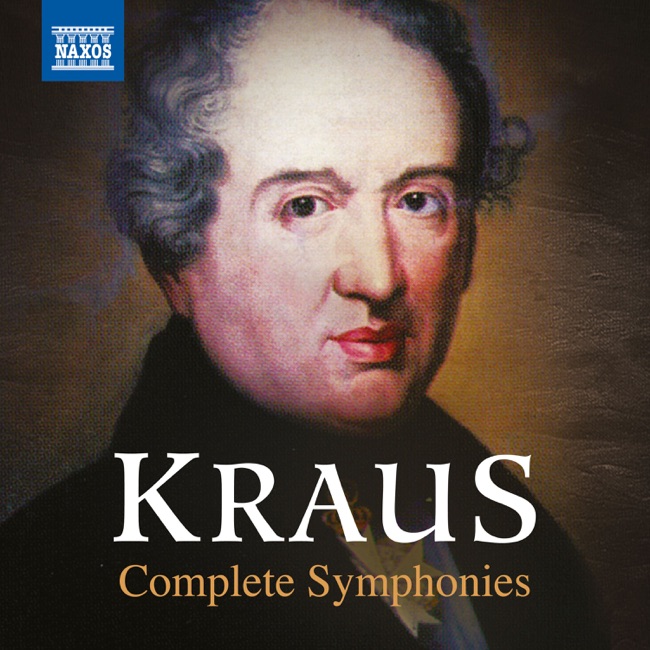
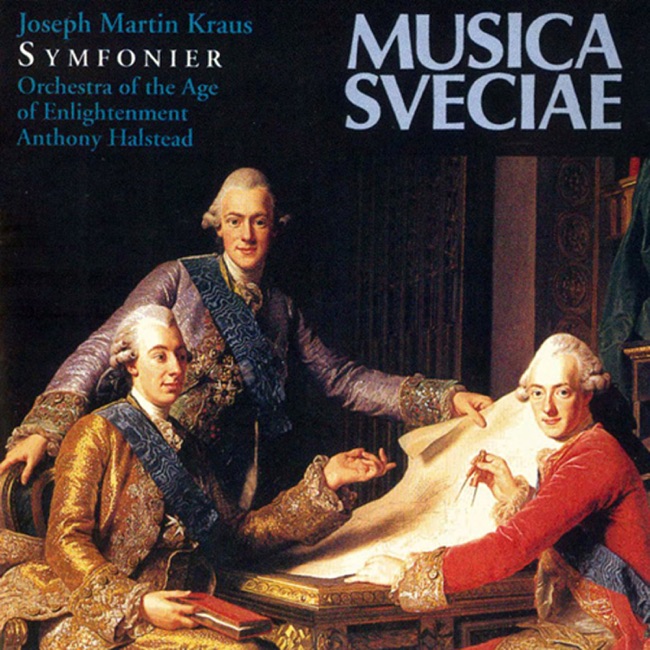
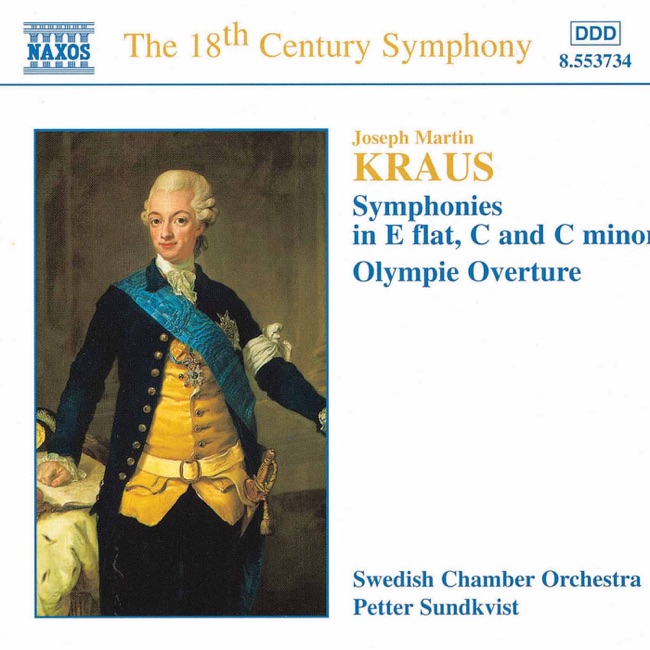
Works Info
Composer:Joseph Martin KrausGenre:SymphonyStyle:SymphonyCompose Date:1781Average_duration:12:59Movement_count:3Movement ....Joseph Martin Kraus was a German composer who lived from 1756 to 1792. He was a contemporary of Mozart and Haydn, and his music is often compared to theirs. Kraus was known for his innovative style, which combined elements of the Classical and Romantic periods. One of his most famous works is the Symphony in C major, Vb. 139. The Symphony in C major was composed in 1783, and it premiered in Stockholm, Sweden, on March 17, 1784. The symphony is divided into four movements, each with its own unique characteristics. The first movement, marked Allegro con brio, is in sonata form. It begins with a lively and energetic theme played by the strings. The theme is then repeated and developed by the woodwinds and brass. The second theme is more lyrical and is played by the strings. The development section is marked by a series of modulations and a return to the main theme. The movement ends with a coda that brings back the main theme. The second movement, marked Andante, is a slow and lyrical piece. It begins with a simple melody played by the strings. The melody is then repeated and developed by the woodwinds and brass. The middle section of the movement features a solo for the oboe, which is then echoed by the other instruments. The movement ends with a return to the main theme. The third movement, marked Menuetto, is a dance-like piece in triple meter. It begins with a lively theme played by the strings. The theme is then repeated and developed by the woodwinds and brass. The trio section features a more lyrical theme played by the oboe and bassoon. The movement ends with a return to the main theme. The fourth and final movement, marked Allegro molto, is a fast and energetic piece. It begins with a lively theme played by the strings. The theme is then repeated and developed by the woodwinds and brass. The middle section of the movement features a solo for the violin, which is then echoed by the other instruments. The movement ends with a coda that brings back the main theme. Overall, the Symphony in C major is a prime example of Kraus's innovative style. It combines elements of the Classical and Romantic periods, and it features lively and energetic themes, lyrical melodies, and dance-like rhythms. The symphony is a testament to Kraus's talent as a composer and his contribution to the development of classical music.More....
Works Music
Released Music