Jean Sibelius
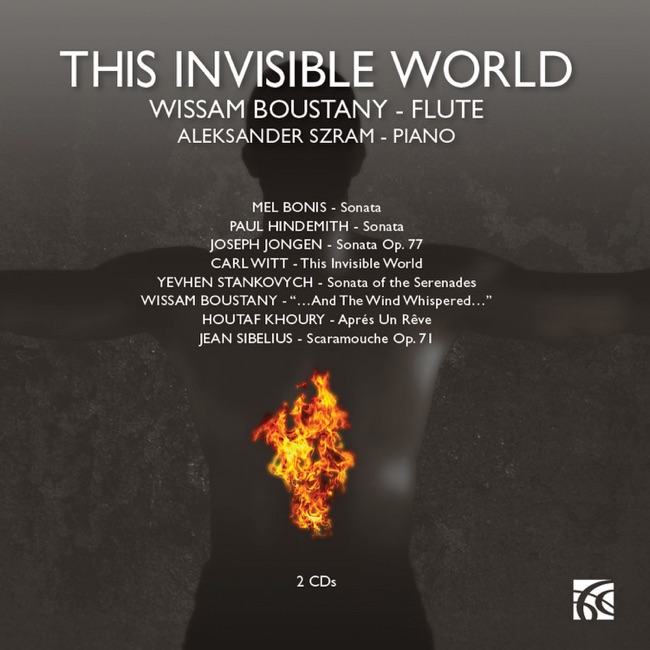
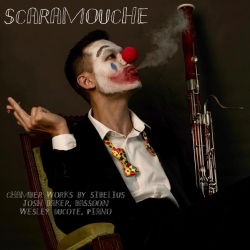
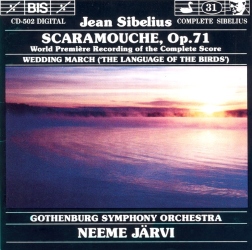
Scaramouche, Op. 71
Released Album
Recent Album
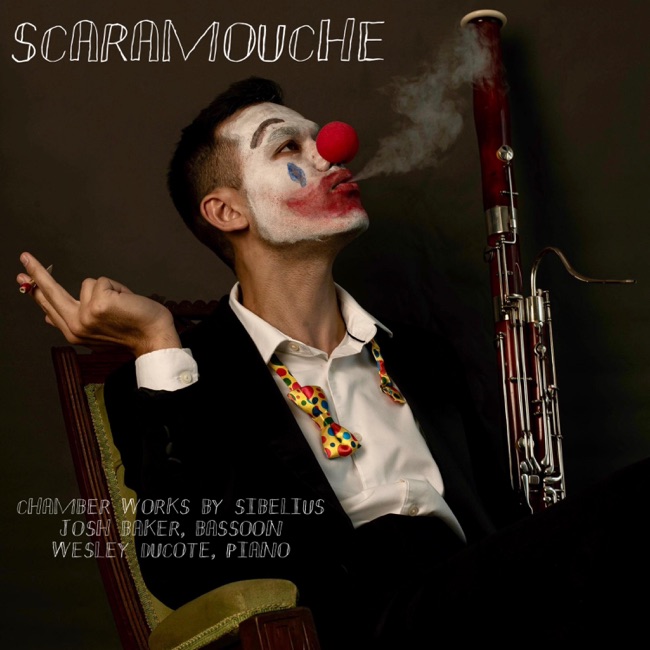



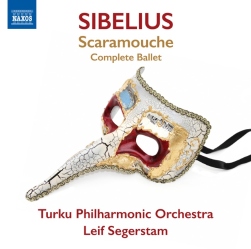
Featured Album

Works Info
Composer:Jean SibeliusGenre:OrchestralStyle:Incidental MusicCompose Date:1913First Performance:May 12, 1922Average_duration:63:37Scaramouche, Op. 71 is a suite for orchestra composed by Jean Sibelius in 1913. The piece was premiered on November 27, 1913, in Helsinki, Finland, conducted by the composer himself. The suite consists of three movements: "Scaramouche and Columbine," "Harlequin and Pierrot," and "The Four Temperaments." The first movement, "Scaramouche and Columbine," is a lively and playful scherzo that features a prominent clarinet solo. The music is characterized by its syncopated rhythms and colorful orchestration, which includes pizzicato strings and percussion. The movement ends with a brief coda that recalls the opening theme. The second movement, "Harlequin and Pierrot," is a slower and more introspective piece that features a haunting oboe melody. The music is characterized by its use of chromatic harmonies and shifting tonal centers. The movement builds to a powerful climax before subsiding into a quiet coda. The final movement, "The Four Temperaments," is a set of variations on a theme that represents the four humors of ancient Greek medicine: choleric, melancholic, phlegmatic, and sanguine. Each variation is characterized by its distinctive mood and orchestration, with the final variation bringing the suite to a triumphant conclusion. Overall, Scaramouche, Op. 71 is a colorful and imaginative work that showcases Sibelius's skill as an orchestrator and his ability to create vivid musical characterizations. The piece is notable for its use of folk-inspired melodies and rhythms, as well as its incorporation of elements of French impressionism and Russian romanticism.More....
Works Music
Released Music



Featured Music