


Engelbert Humperdinck
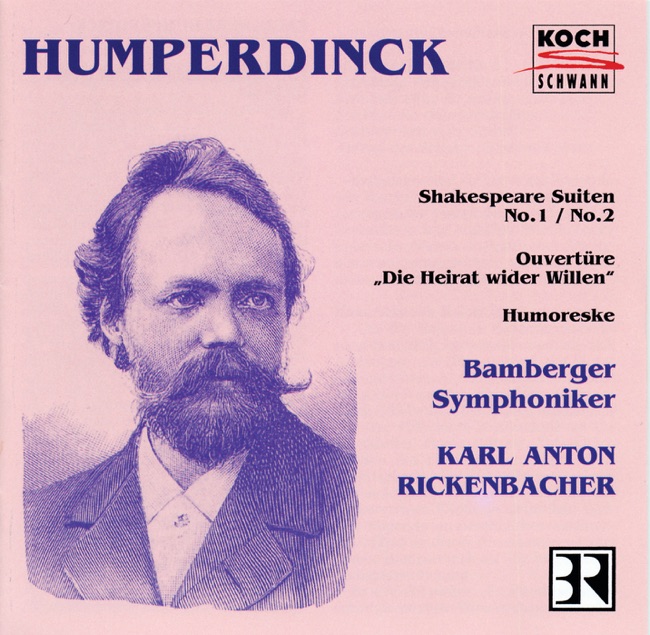
Shakespeare Suite No. 1
Works Info
Composer:Engelbert HumperdinckGenre:OrchestralStyle:SuiteEngelbert Humperdinck's 'Shakespeare Suite No. 1' is a musical composition that was premiered on June 29, 1896, in Frankfurt, Germany. The suite is a collection of four movements, each inspired by a different play of William Shakespeare. The movements are titled 'Overture', 'Notturno', 'Intermezzo', and 'Epilogue'. The first movement, 'Overture', is a lively and energetic piece that sets the tone for the entire suite. It is based on the play 'The Tempest' and features a variety of musical themes and motifs that represent the different characters and moods of the play. The second movement, 'Notturno', is a slow and melancholic piece that is based on the play 'Romeo and Juliet'. It features a haunting melody that is played by the strings and is accompanied by a gentle harp and woodwind section. The movement captures the tragic and romantic essence of the play. The third movement, 'Intermezzo', is a playful and lively piece that is based on the play 'A Midsummer Night's Dream'. It features a variety of musical themes and motifs that represent the different characters and moods of the play. The movement is characterized by its use of woodwind and brass instruments, which create a whimsical and magical atmosphere. The final movement, 'Epilogue', is a grand and majestic piece that is based on the play 'Henry IV'. It features a powerful brass section and a soaring melody that represents the triumph of the play's hero. The movement is a fitting conclusion to the suite and leaves the listener with a sense of awe and wonder. Overall, 'Shakespeare Suite No. 1' is a masterful composition that showcases Humperdinck's skill as a composer. The suite captures the essence of Shakespeare's plays and brings them to life through music. It is a timeless work that continues to be celebrated and performed to this day.More....
Works Music
Released Music
Main Perform Artists
Soprano (Vocal)
Cello
Baritone (Vocal)
Contralto (Vocal)
Violin
Piano
Mezzo-Soprano (Vocal)
Double Bass
Viola
Piano
Tenor (Vocal)
Baritone (Vocal)