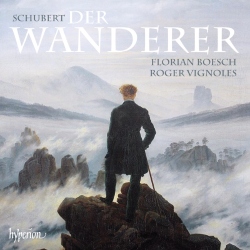
Franz Schubert
Der Wanderer, D. 489
Released Album
Recent Album
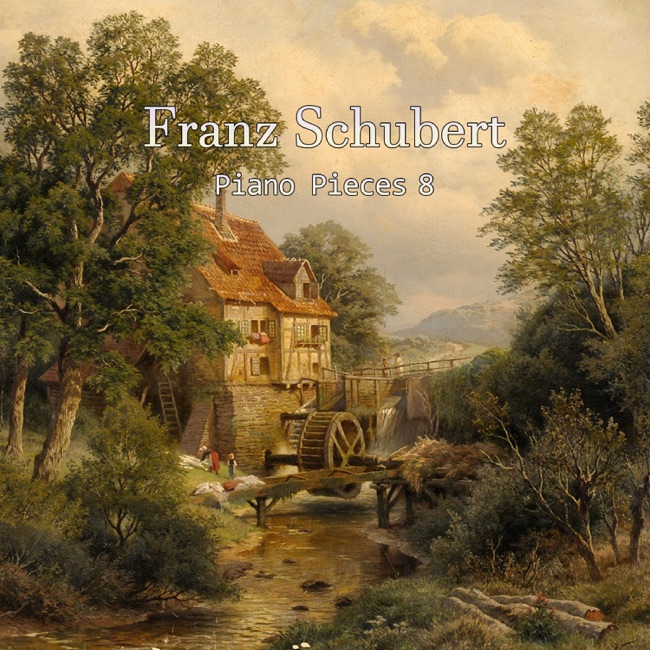



Featured Album
Works Info
Composer:Franz SchubertGenre:VocalStyle:SongCompose Date:Oct 1816Average_duration:5:10"Der Wanderer, D. 489" is a Lied composed by Franz Schubert in 1816. The song is based on a poem by Georg Philipp Schmidt von Lübeck, which tells the story of a wanderer who is searching for a place to call home. The song is written for a solo voice and piano accompaniment. The song premiered in Vienna in 1821, and it quickly became one of Schubert's most popular Lieder. The song is divided into three distinct movements, each with its own unique characteristics. The first movement begins with a slow and melancholic introduction, which sets the mood for the rest of the song. The piano accompaniment is sparse, with long, sustained chords that create a sense of longing and sadness. The singer enters with the first verse, which describes the wanderer's journey through the mountains. The melody is simple and repetitive, with a descending line that mirrors the wanderer's descent into the valley below. The second movement is more upbeat and energetic, with a faster tempo and a more complex piano accompaniment. The melody is more varied, with a rising and falling line that reflects the wanderer's changing emotions. The lyrics describe the wanderer's encounter with a beautiful maiden, who offers him comfort and companionship. The music is full of passion and longing, with a sense of urgency that reflects the wanderer's desire for love and connection. The final movement returns to the slow and melancholic mood of the first, with a simple piano accompaniment and a repetitive melody. The lyrics describe the wanderer's realization that he will never find a place to call home, and that he will always be a wanderer. The music is full of sadness and resignation, with a sense of finality that brings the song to a close. Overall, "Der Wanderer, D. 489" is a powerful and emotional song that captures the essence of Schubert's Lieder. The song is characterized by its simple melodies, sparse piano accompaniment, and powerful emotions, which make it a timeless classic of the Romantic era.More....
Works Music
Released Music
2
6:17
5
4:48
9
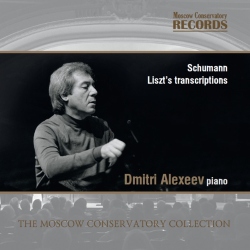
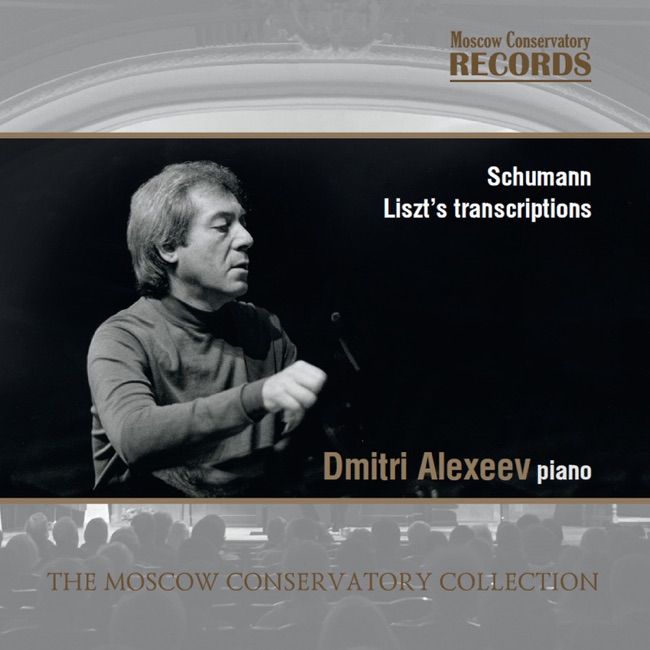
Dmitri Alexeev, Piano. Live at Small Hall of the Moscow Tchaikovsky Conservatory, September 24, 2012
6:3

Featured Music