


Johann Sebastian Bach
Cantata No. 86, "Wahrlich, wahrlich, ich sage euch", BWV 86
Released Album
Recent Album


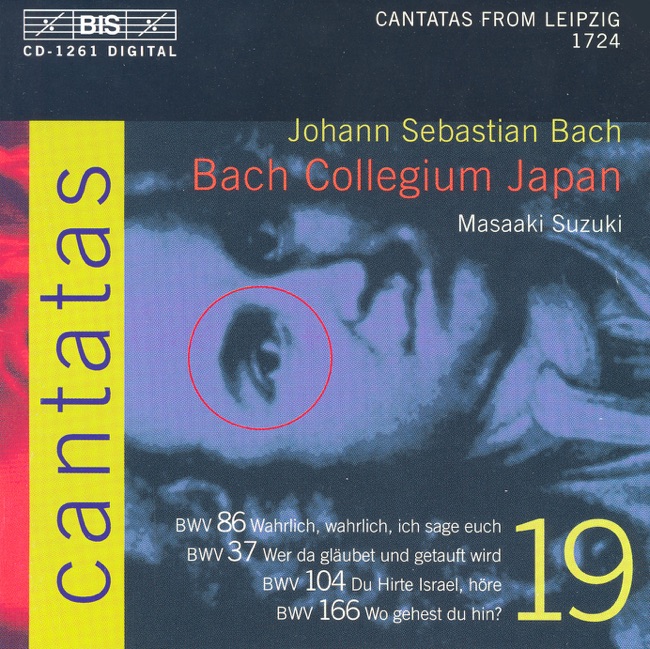
Featured Album
Works Info
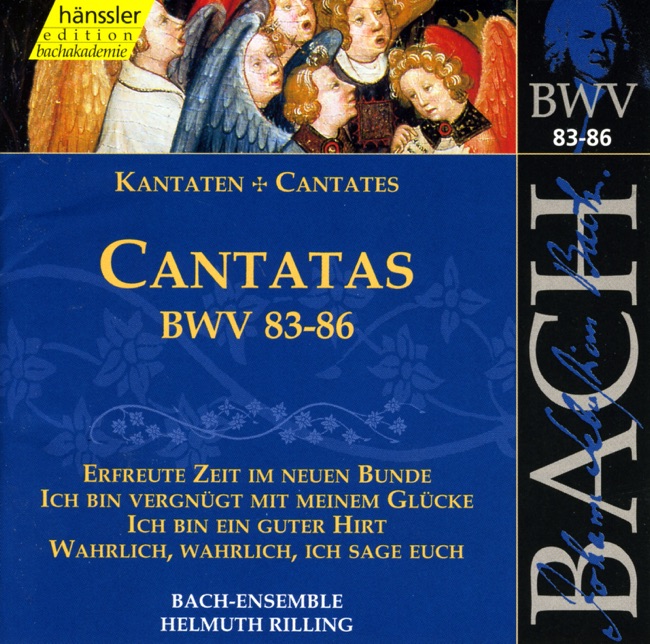
Composer:Johann Sebastian BachGenre:ChoralStyle:CantataCompose Date:May 14, 1724Publication Date:1872First Performance:May 14, 1724Average_duration:14:03Movement_count:6Movement ....Johann Sebastian Bach composed Cantata No. 86, Wahrlich, wahrlich, ich sage euch, BWV 86, in 1724 during his first year as the Thomaskantor in Leipzig. The cantata premiered on April 22, 1724, the first Sunday after Easter, also known as Quasimodogeniti. The cantata consists of six movements, including an opening chorus, three arias, a recitative, and a closing chorale. The text is based on the Gospel of John, chapter 16, verses 16-23, which speaks of the sorrow and joy that the disciples will experience after Jesus' departure. The opening chorus, "Wahrlich, wahrlich, ich sage euch" (Truly, truly, I say to you), is a grand and majestic piece, featuring a full orchestra and choir. The music is characterized by its use of fugue and counterpoint, with the choir and orchestra interweaving complex melodies and harmonies. The first aria, "Ach! ich sehe, itzt, da ich zur Hochzeit gehe" (Ah! I see, now that I go to the wedding), is a mournful piece for alto soloist and oboe d'amore. The music is slow and contemplative, with the soloist lamenting the sorrow that will come with Jesus' departure. The second aria, "Ich will doch wohl Rosen brechen" (I will indeed pick roses), is a joyful piece for tenor soloist and violin. The music is lively and upbeat, with the soloist expressing his eagerness to pick roses and experience the joy that comes with Jesus' return. The third aria, "Ach, wer doch schon im Himmel wär" (Ah, if only I were already in heaven), is a contemplative piece for bass soloist and continuo. The music is slow and mournful, with the soloist expressing his longing to be in heaven and be reunited with Jesus. The recitative, "Erwünschter Tag! Sei, Seele, wieder froh" (Desired day! Be happy again, soul), is a brief interlude between the arias, featuring the tenor soloist and continuo. The music is simple and straightforward, with the soloist encouraging the soul to be happy and rejoice in Jesus' return. The closing chorale, "Amen, Amen! Komm, du schöne Freudenzeit" (Amen, Amen! Come, beautiful time of joy), is a joyful and celebratory piece, featuring the full choir and orchestra. The music is characterized by its use of fanfare-like motifs and triumphant harmonies, with the choir and orchestra expressing their eagerness for the beautiful time of joy that will come with Jesus' return. Overall, Cantata No. 86 is a complex and emotionally charged work, featuring a wide range of musical styles and moods. The music is characterized by its use of intricate counterpoint, complex harmonies, and expressive melodies, all of which serve to convey the sorrow and joy that the disciples will experience after Jesus' departure.More....
Works Music
Released Music

2
Cantata no. 86, "Truly, truly, I tell you", BWV 86
I. Aria. Wahrlich, wahrlich, ich sage euch
2:38
4
2:19
5
Cantata no. 86, "Truly, truly, I tell you", BWV 86
II. Aria. Ich will doch wohl Rosen brechen
5:40
7
1:50
8
Cantata no. 86, "Truly, truly, I tell you", BWV 86
1. (Arioso). Wahrlich, wahrlich, ich sage euch
2:23
Featured Music
1
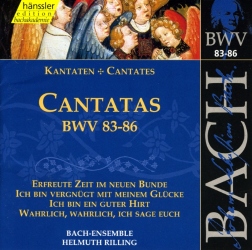
Cantata no. 86, "Truly, truly, I tell you", BWV 86
No. 1. Aria. Wahrlich, wahrlich, ich sage euch
3:12
2
Cantata no. 86, "Truly, truly, I tell you", BWV 86
No. 2. Aria. Ich will doch wohl Rosen brechen
6:21
3
Cantata no. 86, "Truly, truly, I tell you", BWV 86
No. 3. Choral. Und was der ewig gütig Gott
1:46
4
Cantata no. 86, "Truly, truly, I tell you", BWV 86
No. 4. Recitativo. Gott macht es nicht gleichwie die Welt
37