


Claudio Monteverdi
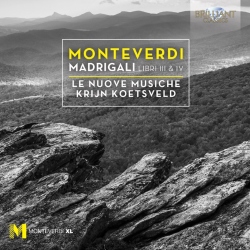
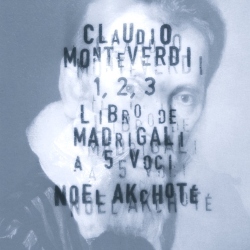
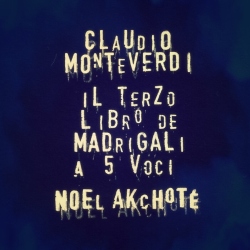
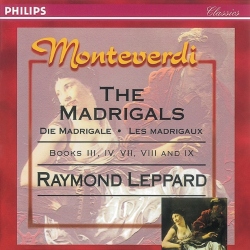
Madrigals, Book 3, for 5 voices, SV 60-74
Released Album
Recent Album
-
-
-
-
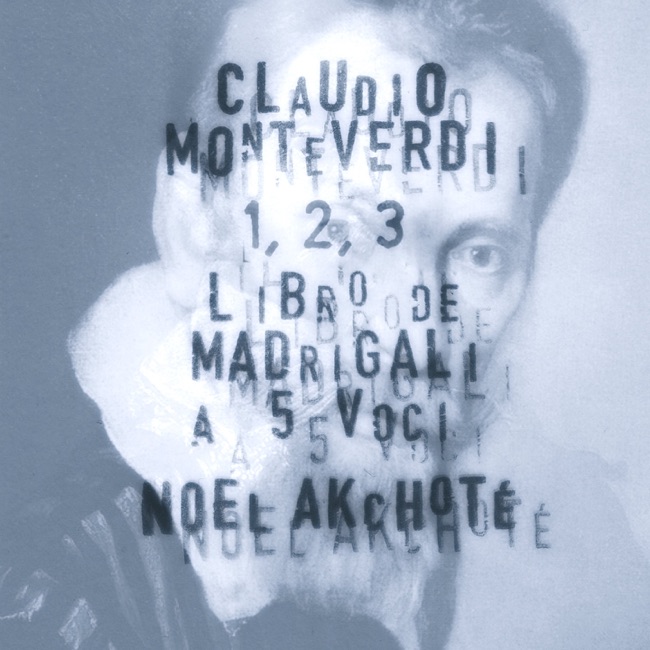
-
 Noël AkchotéDecember 29, 2012
 -
-
Featured Album
Works Info
Composer:Claudio MonteverdiGenre:ChoralStyle:MadrigalCompose Date:1592Average_duration:64:22Movement_count:15Movement ....Claudio Monteverdi's 'Madrigals, Book 3, for 5 voices, SV 60-74' is a collection of 21 madrigals that were published in 1592. The premiere of the work is not known, but it is believed to have been performed in Venice, where Monteverdi was working at the time. The madrigals are written for five voices, with each voice having its own distinct melody and text. The first movement of the collection is 'Io mi son giovinetta', which is a lively and playful piece that features a lot of word painting. The second movement, 'O come sei gentile', is a more subdued piece that features a lot of chromaticism and dissonance. The third movement, 'Non partir, ritrosetta', is a melancholy piece that features a lot of suspensions and resolutions. The fourth movement, 'Ecco mormorar l'onde', is one of the most famous pieces in the collection. It is a beautiful and evocative piece that features a lot of imitative polyphony and word painting. The fifth movement, 'Sfogava con le stelle', is a passionate and dramatic piece that features a lot of chromaticism and dissonance. The sixth movement, 'Mentre vaga Angioletta', is a light and playful piece that features a lot of word painting and imitative polyphony. The seventh movement, 'Se tu mi lasci, perfida', is a melancholy piece that features a lot of suspensions and resolutions. The eighth movement, 'Occhi un tempo mia vita', is a passionate and dramatic piece that features a lot of chromaticism and dissonance. The ninth movement, 'Non vedrò mai le stelle', is a melancholy piece that features a lot of suspensions and resolutions. The tenth movement, 'Dolcissimo uscignolo', is a beautiful and evocative piece that features a lot of imitative polyphony and word painting. The eleventh movement, 'Ardo, avvampo, mi struggo', is a passionate and dramatic piece that features a lot of chromaticism and dissonance. The twelfth movement, 'O sia tranquillo il mare', is a peaceful and serene piece that features a lot of imitative polyphony and word painting. The thirteenth movement, 'A un giro sol de' bell'occhi', is a light and playful piece that features a lot of word painting and imitative polyphony. The fourteenth movement, 'O mio bene, o mia vita', is a passionate and dramatic piece that features a lot of chromaticism and dissonance. The fifteenth movement, 'Sì ch'io vorrei morire', is one of the most famous pieces in the collection. It is a beautiful and evocative piece that features a lot of imitative polyphony and word painting. The sixteenth movement, 'E dicea l'una sospirando', is a melancholy piece that features a lot of suspensions and resolutions. The seventeenth movement, 'Ah, dolente partita', is a passionate and dramatic piece that features a lot of chromaticism and dissonance. The eighteenth movement, 'Ahi, come a un vago sol cortese', is a light and playful piece that features a lot of word painting and imitative polyphony. The nineteenth movement, 'O sia tranquillo il mare', is a peaceful and serene piece that features a lot of imitative polyphony and word painting. The twentieth movement, 'Sfogava con le stelle', is a passionate and dramatic piece that features a lot of chromaticism and dissonance. The final movement, 'Lamento della ninfa', is one of the most famous pieces in the collection.More....
Works Music
Released Music
1
Madrigals, Book 3, for 5 voices, SV 60-74
Rimanti in pace: No. 2, Ond’ei, di morte la sua faccia impressa
3:48
5
4:26
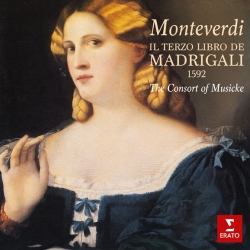
Featured Music
7
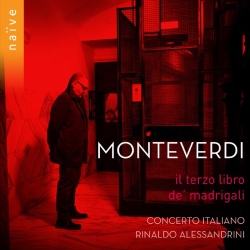
Madrigals, Book 3, for 5 voices, SV 60-74
Vattene Pure, Crudel: Prima Parte: Vattene Pure, Crudel, con Quella Pace
1:46
8
Madrigals, Book 3, for 5 voices, SV 60-74
Vattene Pure, Crudel: Seconda Parte: Là Tra Il Sangue e le Morti Egro Giacente
2:35
9
Madrigals, Book 3, for 5 voices, SV 60-74
Vattene Pure, Crudel: Terza Parte: Poi Ch'ella in sé Tornò, Deserto e Muto
3:45


Main Perform Artists
Soprano (Vocal)
Tenor (Vocal)
Soprano (Vocal)
Alto (Vocals)
Tenor (Vocal)
Bass (Vocal)