Béla Bartók
Valse: Ma mie qui danse, Sz. 38/14, Op. 6/14
Released Album
Recent Album
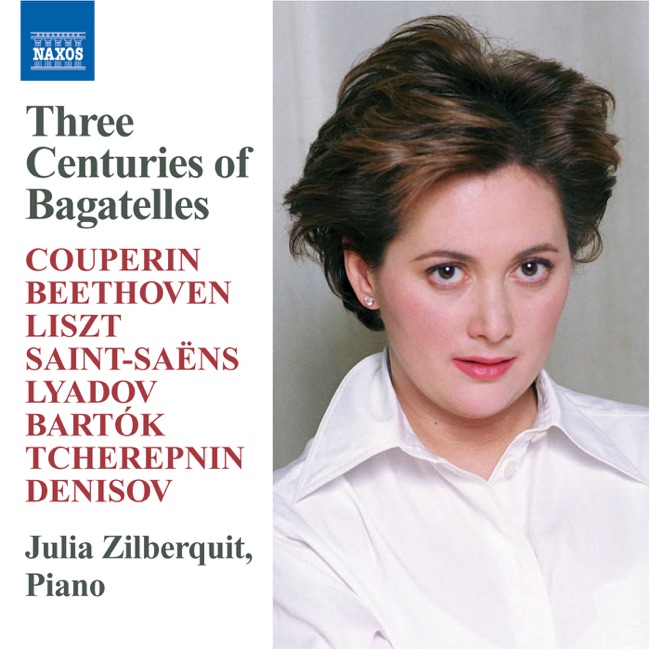
Works Info
Composer:Béla BartókGenre:KeyboardStyle:BagatelleCompose Date:1908Average_duration:2:12Béla Bartók's 'Valse: Ma mie qui danse' is a charming and lively waltz that was composed in 1903. It is the fourteenth movement of his Opus 6, a collection of piano pieces that he wrote during his early years as a composer. The piece was premiered in Budapest in 1904, and it quickly became popular among audiences and performers alike. The 'Valse: Ma mie qui danse' is a three-part waltz that is characterized by its playful and energetic melody. The first section is in the key of A major and features a lively and syncopated rhythm that is reminiscent of the Viennese waltz. The second section, in the key of D major, is more lyrical and features a flowing melody that is accompanied by arpeggiated chords. The final section returns to the original key of A major and features a reprise of the opening melody, which is then followed by a coda that brings the piece to a lively and satisfying conclusion. One of the most notable characteristics of the 'Valse: Ma mie qui danse' is its use of folk elements. Bartók was known for his interest in folk music, and he often incorporated elements of traditional Hungarian music into his compositions. In this piece, he uses a syncopated rhythm that is reminiscent of the csárdás, a traditional Hungarian dance. He also uses a modal melody that is similar to the melodies found in Hungarian folk music. Overall, the 'Valse: Ma mie qui danse' is a delightful and charming piece that showcases Bartók's early style. It is a testament to his ability to combine traditional elements with modern techniques, and it remains a popular piece among pianists and audiences alike.More....
Works Music
Released Music