


Heinrich Schütz
Wohl dem, der nicht wandelt (Psalm 1), SWV 28 (Op. 2/7)
Released Album
Recent Album
Works Info
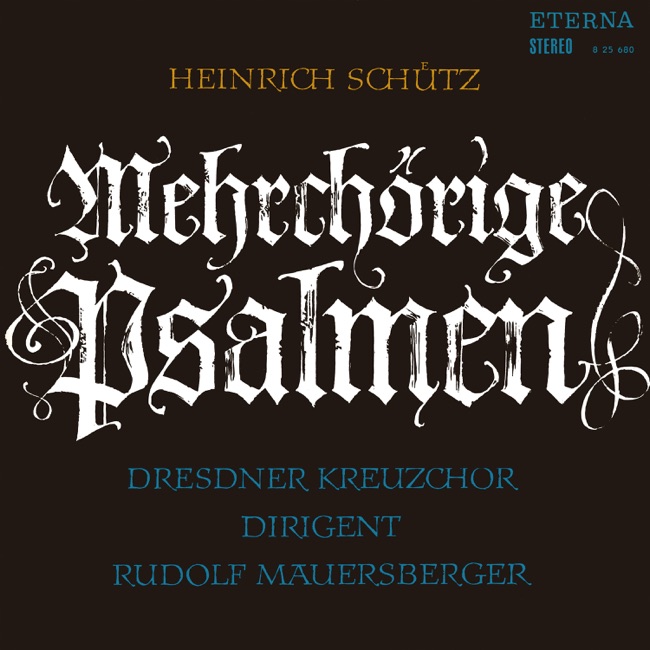
Composer:Heinrich SchützGenre:ChoralStyle:PsalmPublication Date:1619Average_duration:6:09Heinrich Schütz's 'Wohl dem, der nicht wandelt (Psalm 1)', SWV 28 (Op. 2/7) is a sacred vocal work composed in the early 17th century. The piece is based on Psalm 1 from the Old Testament and is written for five voices (SSATB) and basso continuo. The composition was likely composed in the early 1610s, during Schütz's time studying with Giovanni Gabrieli in Venice. It was first published in 1619 as part of Schütz's first collection of sacred works, 'Psalmen Davids, sampt etlichen Moteten und Concerten' (Psalms of David, along with some motets and concertos). The piece is divided into three movements, each reflecting a different aspect of the psalm text. The first movement is a setting of the first two verses of the psalm and is marked "Allegro". It features lively rhythms and imitative polyphony, with the voices often echoing each other in quick succession. The second movement is a setting of verses three and four and is marked "Adagio". It is a more contemplative and introspective section, with the voices weaving together in a more homophonic texture. The basso continuo provides a steady foundation for the vocal lines, with occasional flourishes and ornamentation. The final movement is a setting of verses five and six and is marked "Vivace". It returns to the lively, imitative style of the first movement, with the voices bouncing off each other in a joyful celebration of the psalm's message. Overall, 'Wohl dem, der nicht wandelt' is a prime example of Schütz's skill in setting sacred texts to music. The piece showcases his mastery of polyphony and his ability to create a variety of moods and textures within a single work. It remains a beloved piece in the choral repertoire to this day.More....
Works Music
Released Music
1
5:11
2
Blessed is he who walks not (Psalm 1), SWV 28 (Op. 2/7)
Wohl dem, der nicht wandelt im Rat der Gottlosen, for 2 four-part choirs and b.c., SWV 28
6:19
3
Blessed is he who walks not (Psalm 1), SWV 28 (Op. 2/7)
"Wohl dem, der nicht wandelt im Rat der Gottlosen" SWV 28
4:42
4
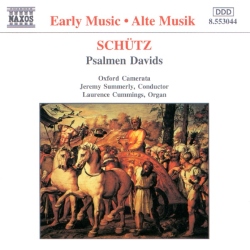
6:20
5
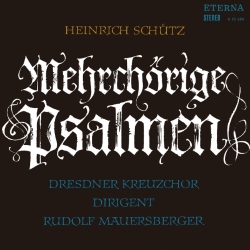
6:19