


Franz Joseph Haydn
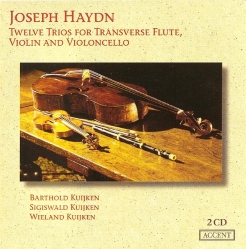
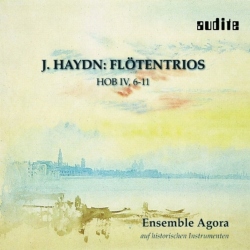
Trio for 2 violins & cello in D major, H. 4/11
Released Album
Recent Album
Works Info
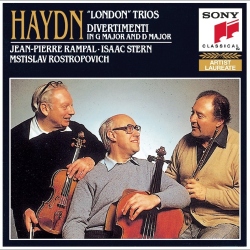
Composer:Franz Joseph HaydnGenre:ChamberStyle:Chamber MusicCompose Date:1784Average_duration:7:25Movement_count:3Movement ....Franz Joseph Haydn's Trio for 2 violins & cello in D major, H. 4/11, also known as the "London Trio No. 1," was composed in 1794 during Haydn's second trip to London. The piece was premiered on March 16, 1794, at the Hanover Square Rooms in London, with Haydn himself playing the violin alongside Johann Peter Salomon and William Cramer. The trio consists of three movements: 1. Allegro moderato - The first movement is in sonata form and begins with a lively and cheerful theme played by the two violins in unison. The cello then enters with a counter-melody, and the two violins engage in a playful dialogue throughout the movement. 2. Andante - The second movement is a slow and lyrical piece in D minor. The violins play a simple melody while the cello provides a rich and expressive accompaniment. The movement is notable for its use of chromaticism and sudden dynamic changes. 3. Vivace - The final movement is a fast and energetic rondo in D major. The violins play a lively and catchy theme that is repeated throughout the movement, while the cello provides a driving bass line. The movement features several virtuosic passages for the violins, including rapid runs and trills. The Trio for 2 violins & cello in D major is characteristic of Haydn's style, with its use of humor, wit, and unexpected musical twists. The piece is also notable for its balanced and equal treatment of all three instruments, with each part given a chance to shine. The trio is a prime example of Haydn's mastery of the classical form and his ability to create music that is both technically impressive and emotionally engaging.More....
Works Music
Released Music
8
1:48
10
6:3