


Tomás Luis de Victoria
Lamentations for Holy Saturday
Released Album
Recent Album
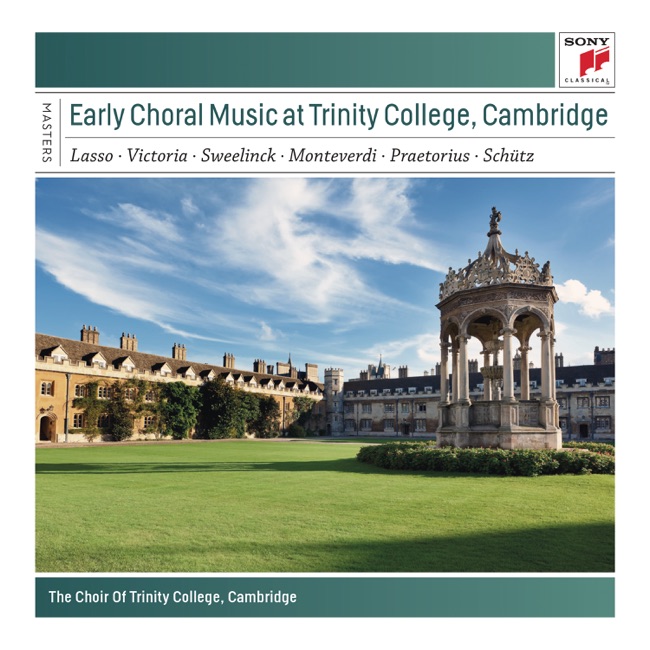

Featured Album
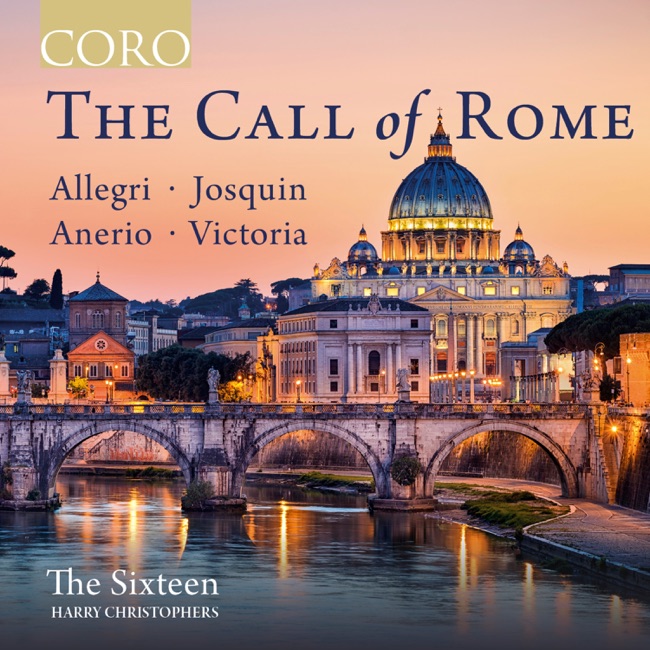
Works Info
Composer:Tomás Luis de VictoriaGenre:ChoralStyle:ChoralTomás Luis de Victoria's 'Lamentations for Holy Saturday' is a sacred choral work that was composed in the late 16th century. The piece was premiered in 1585 in Rome, where Victoria was working as a composer and musician for the Spanish embassy. The 'Lamentations for Holy Saturday' consists of three movements, each of which is based on a text from the Book of Lamentations. The first movement, "Incipit Lamentatio Ieremiae Prophetae," is a setting of the opening verses of the Book of Lamentations. The second movement, "De Lamentatione Ieremiae Prophetae," is a setting of verses 1-9 of the first chapter of the book. The third movement, "Vau. Et Egressus Est," is a setting of verses 10-14 of the same chapter. The 'Lamentations for Holy Saturday' is characterized by its use of polyphony, which is a musical technique that involves multiple independent voices singing different melodies at the same time. Victoria's use of polyphony creates a rich and complex texture that is both beautiful and emotionally powerful. The piece also features a number of expressive musical devices, such as chromaticism, dissonance, and sudden shifts in dynamics, that help to convey the intense emotions of the text. Overall, the 'Lamentations for Holy Saturday' is a masterful work of sacred choral music that showcases Victoria's skill as a composer and his deep understanding of the emotional power of music. Its premiere in Rome in 1585 was a significant event in the history of sacred music, and the piece continues to be performed and admired by musicians and audiences around the world today.More....
Works Music
Released Music
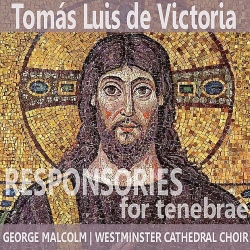
Featured Music
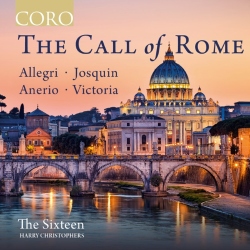
Main Perform Artists
Alto (Vocals)
Soprano (Vocal)
Soprano (Vocal)
Bass (Vocal)
Soprano (Vocal)
Soprano (Vocal)
Alto (Vocals)