


Heinrich Schütz
Weib, was weinest du, SWV 443 (2 versions)
Released Album
Recent Album
Works Info
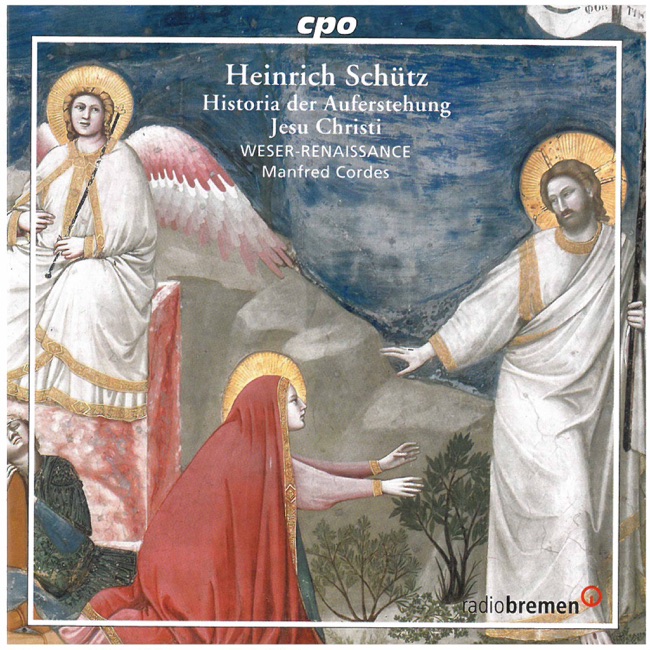
Composer:Heinrich SchützGenre:ChoralStyle:ChoralCompose Date:ca. 1645Average_duration:4:57Heinrich Schütz's "Weib, was weinest du" is a sacred concerto for soprano, two violins, and continuo. It was composed in two versions, the first in 1629 and the second in 1650. The piece is based on the biblical story of Mary Magdalene weeping at the tomb of Jesus. The premiere of the first version of "Weib, was weinest du" is not known, but it was likely performed in Dresden, where Schütz was the court composer. The second version was premiered in 1650 in Dresden. The piece is divided into three movements. The first movement is a recitative for the soprano, in which she asks Mary Magdalene why she is weeping. The second movement is an aria in which the soprano sings of the joy that comes from knowing that Jesus has risen from the dead. The third movement is a short recitative in which the soprano exhorts the listener to rejoice in the resurrection of Jesus. The music of "Weib, was weinest du" is characterized by Schütz's use of chromaticism and dissonance to convey the emotional intensity of the text. The first movement is particularly notable for its use of dissonant suspensions, which create a sense of tension and urgency. The second movement is more lyrical, with a flowing melody that is accompanied by the violins. The third movement is brief but powerful, with the soprano's exhortation to rejoice set against a simple continuo accompaniment. Overall, "Weib, was weinest du" is a beautiful and moving piece of music that showcases Schütz's skill as a composer of sacred music. Its emotional intensity and expressive power make it a timeless masterpiece of the Baroque era.More....
Works Music
Released Music
2
4:26
4
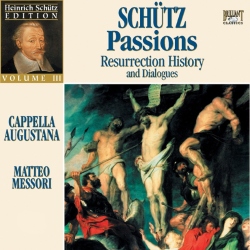
4:26
5
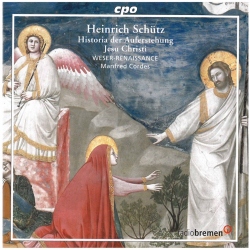
4:25